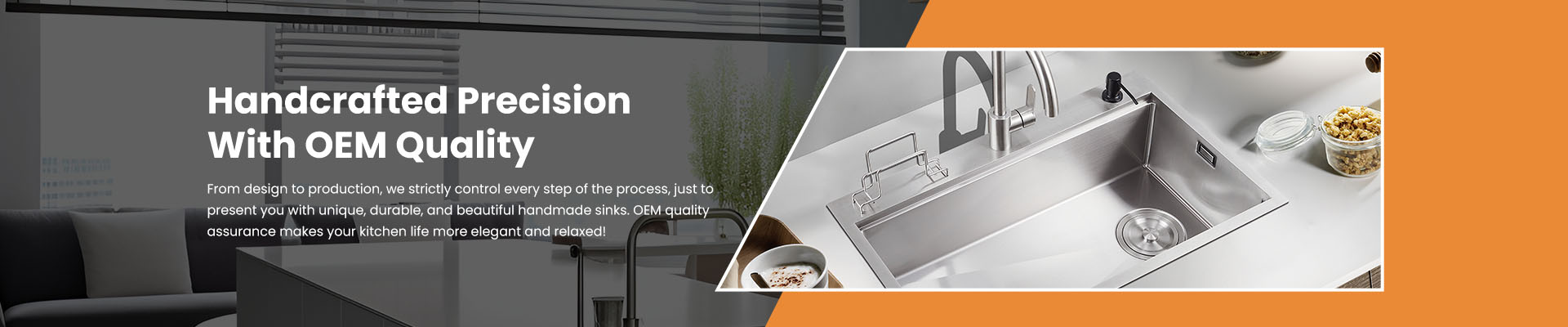
Coffee grounds should not normally be put down a kitchen sink. They do not dissolve in water and can collect inside the P-trap, disposer, horizontal waste pipe, or septic system. When combined with grease, soap residue, and food particles, they can contribute to a dense blockage.
A small accidental amount may pass through, but regularly rinsing coffee grounds into the drain increases the risk of slow drainage and maintenance problems.
Used coffee grounds remain as fine solid particles after brewing.
Water may carry some particles through the strainer, but the flow does not guarantee that they will leave the complete drainage system. Grounds can settle where the pipe bends, where the slope is weak, or where grease has already coated the inner wall.
They may accumulate around:
Basket strainers
Waste disposers
P-traps
Double-sink connection tees
Flexible corrugated pipes
Long horizontal drain sections
Septic tanks
Partially blocked waste lines
Hot water does not dissolve coffee grounds. It may temporarily move them farther into the pipe without removing the underlying risk.
A disposer can reduce the size of some food waste, but coffee grounds are already small. Grinding them again does not turn them into a soluble liquid.
Large quantities can move into the P-trap and mix with grease or starch. The disposer may appear to clear the sink while the residue gradually collects farther down the line.
The safer practice is to keep coffee grounds out of both ordinary drains and disposer systems.
A basket strainer or fine drain screen can capture grounds from French presses, reusable filters, and espresso tools before they enter the plumbing.
Allow the grounds to cool and place them in household waste or an accepted organic-waste collection system.
They may also be added to a managed compost system as one component of a balanced mixture. Compost should contain both moist nitrogen-containing materials and dry carbon-rich materials rather than being filled with coffee grounds alone.
Practical disposal methods include:
Emptying paper filters and grounds into organic waste
Scraping French press grounds into a container
Using a small countertop compost bin
Allowing wet grounds to drain before disposal
Following local municipal composting rules
Coffee shops should establish a dedicated knock box or waste container beside the preparation area. This reduces the amount of residue washed into the bar sink during busy service.
Remove visible grounds from the sink bowl and strainer rather than flushing them with more water.
When the sink still drains normally, clean the basket strainer and avoid adding grease or more solid waste.
For slow drainage:
Remove standing water.
Clean the strainer and disposer opening.
Use a plunger when appropriate.
Place a bucket beneath the P-trap.
Remove and clean the trap.
Inspect the connecting pipe.
Use a suitable hand auger when the blockage is farther inside.
Check every joint for leakage after reassembly.
Do not combine different chemical drain cleaners. A plumber should inspect repeated blockages, leaking fittings, wastewater backup, or problems affecting several fixtures.
A café or coffee station sink should be easy to rinse while preventing solid residue from entering the waste line.
Useful features may include:
A removable basket strainer
A deep single bowl
Rounded or controlled-radius corners
A sloped basin bottom
A suitably positioned drain
Adequate faucet clearance
Sound-control treatment
A brushed, easy-maintenance surface
The sink should also fit around the espresso machine, milk pitcher washing area, knock box, waste container, and under-counter plumbing.
A bowl that is too shallow can increase splashing, while an unsuitable drain location may reduce space for a waste bin or filtration equipment.
Our Commercial Grade stainless steel sinks are produced for kitchens, cafés, bars, restaurants, apartments, hotels, and related project applications.
We manufacture single bowl, double bowl, top-mount, undermount, and Handmade Sink structures in SUS304 stainless steel. Our production line supports large recurring orders while maintaining control over sink dimensions, bowl forming, welding, brushing, drainage, inspection, and packaging.
Project customization may include:
Sink dimensions
Bowl depth
Drain location
Faucet openings
Workstation accessories
Surface color
Sound-reduction components
Branding
Individual or project packaging
OEM and ODM services allow sink configurations to be reviewed around the intended coffee preparation workflow.
Send our team the bar layout, cabinet size, sink dimensions, drain requirement, faucet model, installation type, quantity, and finish direction.
We can prepare a commercial sink proposal for cafés, beverage counters, hotel breakfast areas, office pantries, or equipment distributors. Drawings, samples, customized openings, manufacturing, inspection, and export packing can be included in the quotation.
Previous: How To Measure Kitchen Sink?