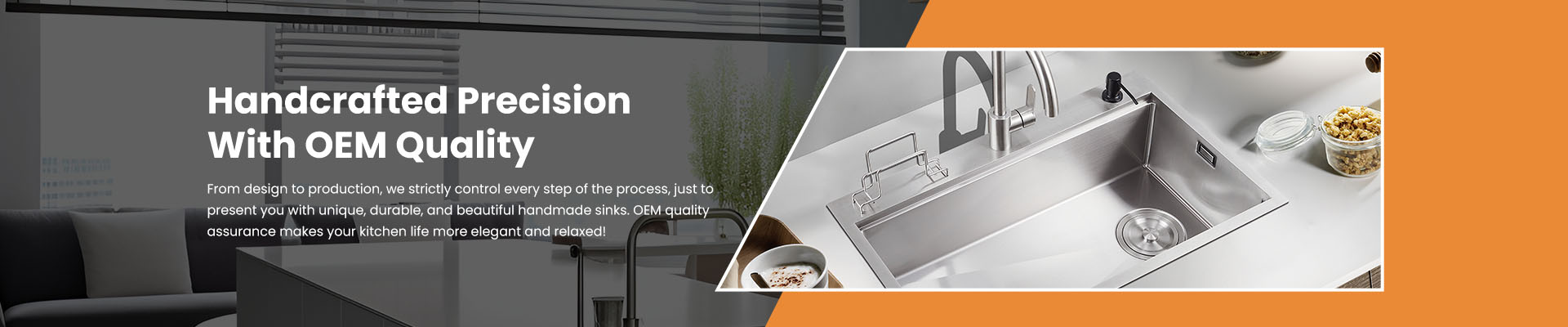
A well-made Stainless Steel Sink can remain functional for 15 to 30 years or longer when the material, construction, installation, and maintenance are suitable. Its usable life is not determined by stainless steel alone; sheet grade, thickness, forming, welding, drainage, surface treatment, cabinet support, and exposure to harsh chemicals all matter.
A sink may continue holding water long after its surface develops scratches. Functional lifespan and cosmetic lifespan should therefore be evaluated separately.
304 stainless steel is widely used for quality kitchen sinks because it offers a practical balance of corrosion resistance, formability, durability, and appearance.
Material descriptions should be verified rather than accepted only from a sales label. For a large purchasing program, buyers can request agreed material documentation or testing requirements.
A thicker sheet may improve stiffness and resistance to deformation, but thickness alone does not guarantee a better sink. Basin geometry, corner design, forming depth, weld quality, reinforcement, and installation support also affect performance.
Handmade Sinks and stamped sinks use different manufacturing methods, so their thicknesses should not be compared without considering the entire structure.
One-piece stamped sinks minimize welded bowl seams. Handmade sinks use cut, bent, and welded stainless steel components to create sharp lines and flexible dimensions.
A handmade model depends on controlled welding, corner finishing, surface restoration, and leak inspection. Poorly completed welds can shorten service life even when good raw material is used.
Water that remains in the basin promotes mineral deposits and makes cleaning more difficult. The basin geometry and drain position should guide water toward the outlet without creating significant low spots.
Installation level also matters. A correctly manufactured sink may still drain poorly when the countertop or support structure is uneven.
A stainless steel sink may deteriorate prematurely when exposed to:
Prolonged chlorine contact
Concentrated acids
Salt residue left to dry
Carbon-steel contamination
Harsh construction chemicals
Repeated heavy impact
Unsupported installation
Standing water around defective seals
Persistent dampness beneath accessories
Improper cleaning of decorative finishes
Rust-colored marks do not always indicate failure of the stainless steel. Contamination from cans, tools, steel wool, or construction particles is common and should be investigated before the sink is judged defective.
The basin may outlast surrounding components. Sealant, drain assemblies, clips, sound-control pads, coatings, accessories, and countertop joints may need attention sooner.
Periodically inspect:
Drain connections
Sealant around the rim
Undermount clips and support
Cabinet moisture
Surface coatings
Overflow or accessory joints
Sound-deadening material
Signs of movement beneath the countertop
A leaking drain or failed countertop seal can damage the cabinet even when the stainless steel bowl remains intact.
Clean the sink with mild detergent and a soft sponge. Rinse after contact with salty or acidic substances and dry the surface when water spotting is a concern.
Avoid dropping cast-iron cookware into the basin. Use a protected bottom grid where appropriate, but remove and clean underneath it frequently.
Do not use steel wool. Iron fragments left on the surface may rust and create misleading stains.
Our factory supplies 304 stainless steel sinks for household, hospitality, residential project, and other kitchen applications. Our range includes handmade sinks, one-piece stamped sinks, single and double bowls, top-mount models, undermount models, and customizable sizes and finishes.
Working as an OEM/ODM stainless steel sink manufacturer, we can review sink dimensions, bowl depth, installation type, finish, accessories, packing, and branding before production. Our factory handles production stages in-house and operates quality and environmental systems stated as ISO9000 and ISO14001 compliant.
The handmade stainless steel sink range includes 304 stainless steel models designed for customized kitchen programs.
A sink sample should be assessed for more than its appearance. Useful checks include:
Material specification
Actual dimensions
Sheet thickness at agreed locations
Rim flatness
Bowl deformation
Weld condition
Drainage
Surface consistency
Noise-control treatment
Installation components
Accessory fit
Leak performance
Packing protection
A transit trial is also valuable. Rim damage, corner dents, surface scratches, and accessory movement can occur when cartons and internal protection are inadequate.
Replacement may be necessary when the basin has a leak, severe deformation, unrecoverable coating damage, repeated installation movement, or corrosion associated with material failure or aggressive chemical exposure.
Normal surface scratches do not automatically mean the sink has reached the end of its life. A brushed working surface naturally changes with use.
A stainless steel sink can serve for decades when the material and production quality are matched by correct installation and routine care. Longevity begins with specification and continues through every day of use.