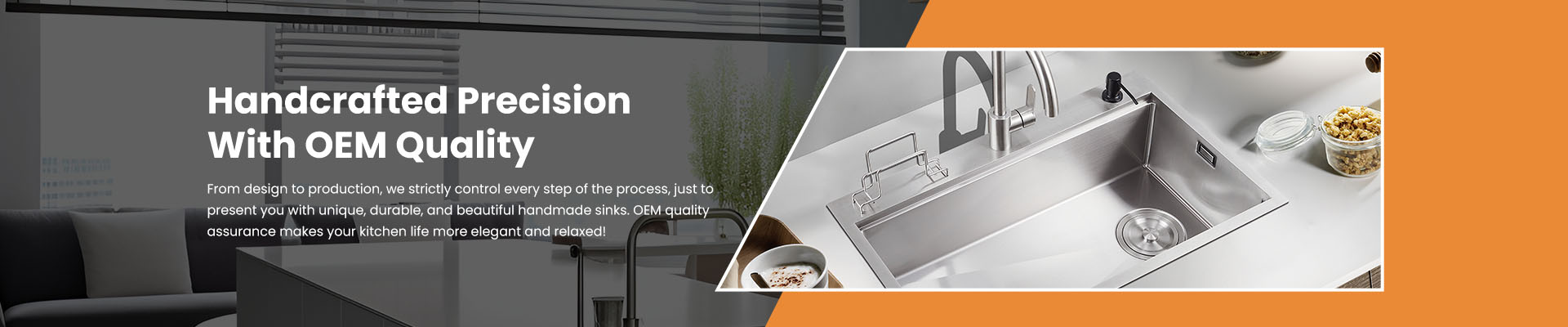
Stainless steel Handmade Sinks can show scratches, but the better way to think about it is this: stainless steel is a working surface, and visible marks depend on how the sink is finished, how it is used, and how it is cleaned. In real kitchens, scratches are usually light surface marks that blend into the sink’s grain over time, not deep damage that affects performance. A well-made handmade sink is designed so normal wear looks consistent, stays easy to clean, and does not turn into rust or peeling like some coated materials.
This article explains what scratches on stainless steel actually are, why some sinks show them more than others, how to reduce visible marks without complicated routines, and what to look for if you want a handmade sink that stays neat-looking in long-term daily use. If you need to learn more about styles and configurations, please browse our stainless steel handmade sink page.
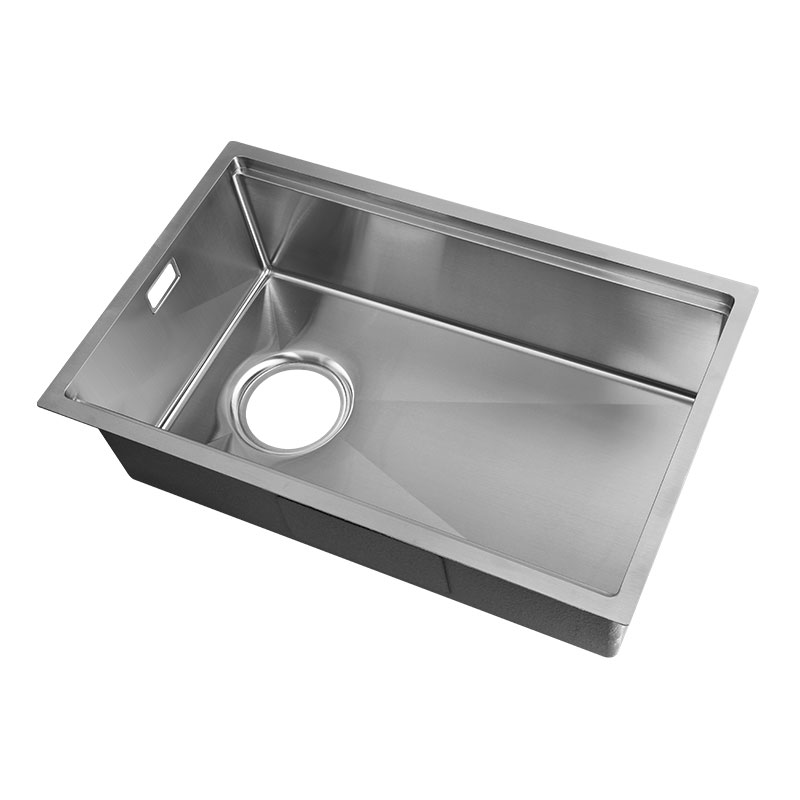
Yes, Stainless Steel Sinks can scratch, especially in the first weeks of use when the surface is still uniform and any mark stands out. However, most marks are micro-abrasions caused by metal cookware, grit, or abrasive pads. They do not mean the sink is low quality. They mean the sink is doing its job in a kitchen environment.
What matters most is the difference between:
Normal surface scuffing that becomes less noticeable over time
Deep gouges caused by improper tools or dragging sharp objects with grit underneath
Finish damage caused by harsh abrasive powders that cut across the grain repeatedly
A Stainless Steel Handmade Sink is usually chosen because it stays stable, resists corrosion in typical kitchen conditions, and can maintain a consistent look even with daily wear, as long as the finish and construction are done correctly.
Handmade sinks are known for sharper lines, straighter walls, and defined corners. That geometry looks modern, but it also changes how you see the surface. Flat planes and crisp edges reflect light more evenly, so early marks can be more visible than on a heavily curved surface.
At the same time, handmade sinks are often specified with brushed surface directions that help blend everyday marks. When the sink’s surface has a consistent grain, new micro-scratches tend to merge into that texture. The goal is not to prevent every mark, but to keep the appearance uniform and controlled.
Scratch visibility is also influenced by:
Bowl depth and working habits, because deeper bowls reduce the chance of heavy items rubbing across the rim
Corner and bottom geometry, because tight corners concentrate movement in a smaller area if you frequently scrub there
Accessory usage, because bottom grids and protective mats reduce metal-to-metal contact
Handmade construction gives more control over these design factors, which is one reason many buyers prefer it for a cleaner long-term look.
Most scratching problems come from a small set of daily behaviors. Knowing these causes helps you reduce marks without treating the sink like a fragile item.
Grit and sand under cookware
If dust, sand, or food particles sit under a pot, sliding it turns those particles into abrasive points. This is a very common source of circular scuff marks.
Abrasive scouring pads and powders
Many heavy-duty pads and some powdered cleaners cut stainless steel quickly, especially if they are used across the grain. The sink can develop a cloudy or uneven patch that looks worse than normal wear.
Dragging cast iron or hard-edged cookware
Cast iron and some stainless cookware edges can leave marks when dragged. Lifting instead of sliding reduces this significantly.
Metal utensils and sharp tools dropped into the bowl
Dropping a knife or sharp-edged tool can create a deeper mark. This is less common, but it explains most of the few deep scratches people worry about.
Cleaning in random directions
Stainless finishes usually have a grain direction. Cleaning in circles or across the grain makes marks more visible because it creates conflicting scratch directions.
The good news is that most of these causes can be managed with small habit changes, not expensive products.
Buyers often ask whether a scratch is normal or a sign of poor material. A practical evaluation focuses on depth, location, and whether the mark changes with cleaning.
Light scuffs that you can see at certain angles but barely feel with a fingernail
Fine lines aligned with the sink’s grain direction
Surface marks that become less noticeable after wiping, drying, and regular use
Deep lines you can catch with a fingernail, especially on the bottom center where you place cookware
Cloudy patches created by aggressive abrasive cleaning
Rough-feeling areas that trap residue and are harder to wipe clean
A scratch by itself does not mean the sink will rust. Stainless steel performance depends on its corrosion resistance and surface condition. In most households, everyday micro-scratches do not cause rust. Rust-like stains are more often caused by iron particles from other metals left on the surface, not the stainless steel failing.
You do not need a complicated care routine. The goal is to reduce abrasive contact and keep cleaning consistent with the grain.
Rinse away grit before placing heavy cookware, especially after washing vegetables or rinsing sandy items
Lift heavy pots instead of sliding them when possible
Use a bottom grid or protective accessory if you regularly wash cast iron, heavy stockpots, or baking trays
Clean and wipe along the grain direction, especially during deeper cleaning
Use mild soap and a soft cloth or non-abrasive sponge for routine cleaning
Avoid harsh abrasive powders unless the product is specifically non-scratch and you follow grain direction
Rinse thoroughly to remove cleaner residue, then dry to reduce water spotting in hard water areas
Light marks can often be blended by cleaning along the grain consistently over time. For more visible scuffing, a non-abrasive stainless cleaner used with the grain can help restore a uniform look. The key is to avoid mixing scratch directions, which makes the surface look uneven.
Here is a simple reference for common mark types:
| Mark Type | Typical Cause | What It Looks Like | What Usually Helps |
|---|---|---|---|
| Fine hairline scuffs | Normal cookware contact | Thin lines that appear at angles | Wipe and clean along the grain, normal use blends it |
| Circular haze | Sliding items over grit | Dull rings on the bottom | Rinse grit first, consider a bottom grid, clean with grain |
| Cloudy patch | Abrasive pad or powder | Uneven shine or dull area | Stop abrasive tools, use non-abrasive cleaner with grain |
| Deep line | Dropped sharp tool or heavy drag | Visible line you can feel | Prevent with grid, treat as cosmetic, avoid aggressive sanding |
For most kitchens, the real priority is not avoiding every mark, but keeping the sink stable, easy to clean, and visually consistent after years of normal cooking and washing. OUWAYS focuses on handmade sink construction that supports modern geometry, practical daily use, and finish consistency, so the sink remains a reliable working surface rather than a high-maintenance showpiece.
In practical terms, what helps long-term satisfaction includes:
Controlled surface finishing so the grain looks consistent and daily wear blends more naturally
Clean fabrication details so seams and transitions do not become residue traps
Options that support real workflows, including configurations that allow protective accessories when needed
A product range designed for modern kitchen layouts where the sink is used heavily every day
If you want to explore handmade sink styles and configurations designed for everyday kitchens, please browse our stainless steel handmade sink page.
Stainless Steel Handmade Sinks can show scratches, but most marks are normal surface wear from cookware contact and cleaning. The visibility of scratches depends more on finish consistency, grain direction, daily habits, and the presence of grit than on whether the sink is handmade. With a consistent brushed finish, practical cleaning along the grain, and simple protection like avoiding abrasive pads and reducing sliding over grit, a stainless steel handmade sink can maintain a clean, uniform look for years while staying durable and easy to maintain.
If you need to learn more about handmade sink options and how they fit different kitchen workflows, please browse our stainless steel handmade sink page.