
Kitchen design in 2026 is more diverse than ever, with homeowners and project buyers considering everything from granite composite to fireclay and workstation-style layouts. Even with all those options, stainless steel remains the default choice in many kitchens because it performs well across the widest range of real-life use conditions: heavy cookware, frequent washing, hot water cycles, and daily cleaning. Industry reporting continues to show metal sinks holding a leading share of the market, with stainless steel driving much of that demand because it is durable, corrosion-resistant, and easy to maintain.
This article explains why stainless steel continues to lead in 2026, what practical advantages matter most in daily use, and what to look for if you want a sink that stays reliable and visually consistent for years. If you need to learn more about styles and configurations, please browse our stainless steel sink page.
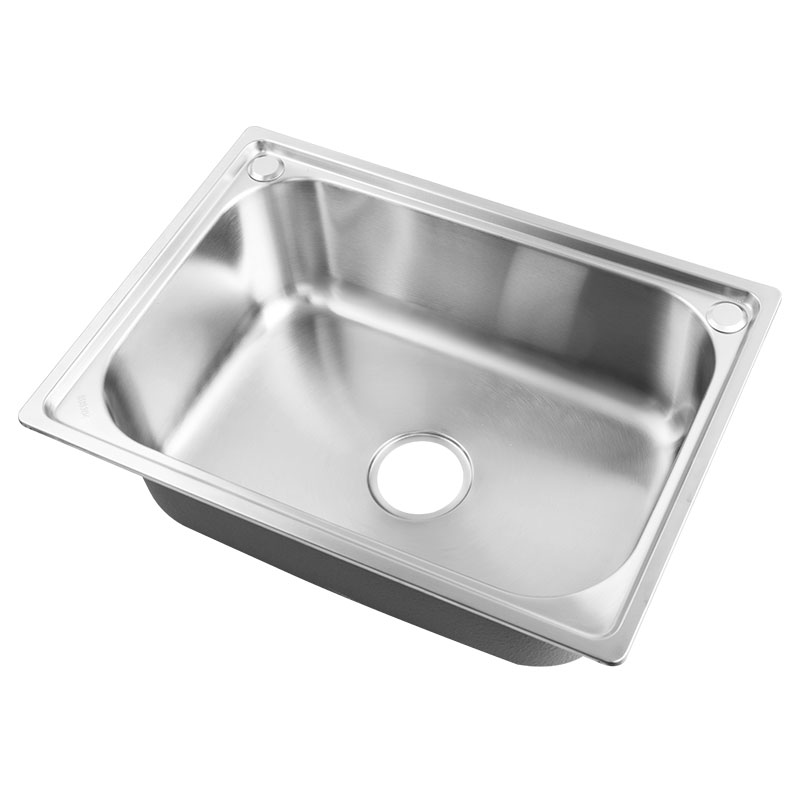
Many 2026 kitchen trends focus on warmth, texture, and a more lived-in feeling, but functionality is not being sacrificed. Buyers are choosing elements that can take daily wear without creating maintenance stress. That is one reason stainless steel remains widely specified: it does not require special sealing routines, it tolerates temperature swings, and it fits both modern and traditional kitchens without looking out of place.
Market research continues to reflect this broad acceptance. In 2024, metal kitchen sinks held a majority share in one widely cited industry report, supported by durability and corrosion resistance, and stainless steel is highlighted as a key driver within metal sinks. Another industry analysis similarly notes metallic sinks holding the biggest share, attributing that position to durability, corrosion resistance, and affordability associated with Stainless Steel Sinks.
The takeaway for 2026 is straightforward: stainless steel stays popular because it is a balanced solution, not because it is trendy for one season.
A kitchen sink is one of the most heavily used surfaces in the home. It is where cookware lands, where utensils get rinsed, where hot water runs, and where cleaning happens repeatedly. Stainless steel keeps its position in 2026 largely because it handles that workload without fragile behavior.
Key durability advantages that matter in daily use:
Impact tolerance
Stainless steel is less likely to chip than ceramic-style materials when heavy pots are dropped or knocked against the bowl. This is especially important in busy family kitchens and rental properties.
Heat tolerance
Hot pans, boiling water, and rapid temperature changes are normal kitchen events. Stainless steel typically tolerates heat exposure without cracking, which helps reduce risk in everyday cooking.
Long service life under routine maintenance
Many buyers choose stainless steel because it can last for decades in normal residential use when paired with reasonable cleaning habits and correct installation.
Durability is also not only about the metal itself. Build choices like bowl depth, corner geometry, and reinforcement influence how stable the sink feels over time. A well-designed stainless steel sink stays rigid, drains correctly, and resists the loose, hollow feel that buyers dislike.
In 2026, kitchens are being treated more like practical workspaces again. That increases attention on hygiene and easy cleaning. Stainless steel remains attractive because it is non-porous and straightforward to wipe down, and it supports consistent sanitation routines without specialized products.
Stainless steel is widely recognized for its cleanability in food-related environments because it is smooth and does not rely on coatings that can peel. In daily kitchen use, that typically translates into:
Faster wipe-down after meal prep
Less worry about staining from common foods
Simple compatibility with common mild cleaners
For buyers managing multiple properties, hospitality kitchens, or high-frequency household cooking, the cleaning simplicity is a practical cost saver. It reduces labor time and reduces the chance of finish damage caused by aggressive chemicals that some other materials require.
A major reason stainless steel stays a top choice is that it can support many aesthetics without forcing the rest of the kitchen to match it. In 2026, kitchens are mixing finishes more freely, combining warm metals, textured cabinetry, and layered materials. Stainless steel still fits because it reads as neutral and functional, and it pairs naturally with both warm and cool palettes.
Design compatibility shows up in several ways:
Works with changing hardware trends
Even when faucet and hardware finishes shift, stainless steel sinks remain easy to coordinate because they do not fight with bronze, black, or brushed tones.
Matches both modern and traditional directions
2026 trend coverage includes both modern stainless-forward looks and traditional feature revivals. The sink can sit comfortably in either direction, from clean minimalism to more classic kitchens.
Supports workstation and undermount preferences
Buyers increasingly want integrated workflows such as ledges, accessories, and seamless countertop lines. Stainless steel is commonly used in workstation sink formats because it can be fabricated into precise shapes and accessory rails.
This flexibility matters because kitchens are expensive to renovate. Buyers want a sink material that still looks correct even if cabinetry color, faucet finish, or backsplash style changes later.
In 2026, buyers are evaluating kitchens with a longer horizon. Instead of choosing purely by initial appearance, many consider how a sink will look after years of use.
Stainless steel typically ages in a predictable way: light surface marks may appear, but they often blend into a consistent grain pattern, especially on brushed finishes. That is different from materials that can chip, crack, or show permanent staining. It is also a reason stainless steel continues to hold material leadership in many markets according to market research summaries.
A simple comparison helps clarify why stainless steel remains the safest all-around choice for many buyers:
| Sink material | Strengths in real kitchens | Common tradeoffs to plan for |
|---|---|---|
| Stainless steel | Durable, heat tolerant, easy to clean, broad style compatibility | Normal surface scuffs, water spots in hard-water areas without drying |
| Granite composite | Matte look, good scratch masking, strong design presence | Heavier, can be less forgiving to impact in some conditions, may need careful cleaning to prevent staining |
| Fireclay | Classic look, smooth surface, strong visual statement | Can chip from heavy impact, heavier, limited shape options in some designs |
| Enameled cast iron | Premium feel, strong color options | Chip risk, very heavy, impact can damage enamel surface |
This table is not meant to declare one material best for every kitchen. It shows why stainless steel remains the top choice overall: it has fewer high-risk failure modes and is easier to live with across different user habits.
Not all stainless steel sinks perform the same. In 2026, buyers are more educated and often look beyond the material label to the details that affect daily experience.
Key factors that influence long-term satisfaction:
Steel grade and thickness strategy
The right thickness supports rigidity and reduces vibration. It also helps the sink feel solid during use, especially with heavy cookware.
Bowl depth and corner design
A deeper bowl improves splash control and increases usable capacity. Corner shape affects cleaning ease and modern styling.
Sound and vibration management
Quiet performance matters in open-plan kitchens. Undercoating and sound pads can reduce noise from water flow and dish contact.
Drainage and slope accuracy
Good drainage reduces standing water, which helps prevent residue buildup and water-spot concentration.
Installation compatibility
Undermount, topmount, and workstation formats each require stable rim geometry and reliable accessory fit.
OUWAYS focuses on stainless steel sink options that fit modern kitchen workflows, including practical geometries and configurations that support everyday use. If you need to compare sizes, bowl styles, and installation types, please browse our stainless steel sink page.
Stainless steel is still the top sink choice in 2026 because it delivers the most balanced performance across durability, hygiene, maintenance simplicity, and design flexibility. Market research continues to show metal sinks holding a leading share, driven heavily by stainless steel due to durability and corrosion resistance. In real kitchens, stainless steel handles heat, impact, frequent cleaning, and changing design trends with fewer long-term risks than many alternatives.
If you need to learn more about product configurations and select the right sink for your kitchen plan, please browse our stainless steel sink page.