
The best cleaner for a Stainless Steel Sink is one that removes grease, mineral residue, and stains without damaging the protective chromium-oxide layer on the steel surface. When a sink looks dull or develops spots, the cause is usually surface buildup rather than material failure. Soap residue, hard water minerals, and improper cleaners can all affect appearance over time. Choosing the right cleaner means understanding what you are trying to remove and how stainless steel reacts to different cleaning agents.
This guide explains which cleaners work best for different sink conditions, which ingredients should be avoided, and how to maintain a consistent finish.
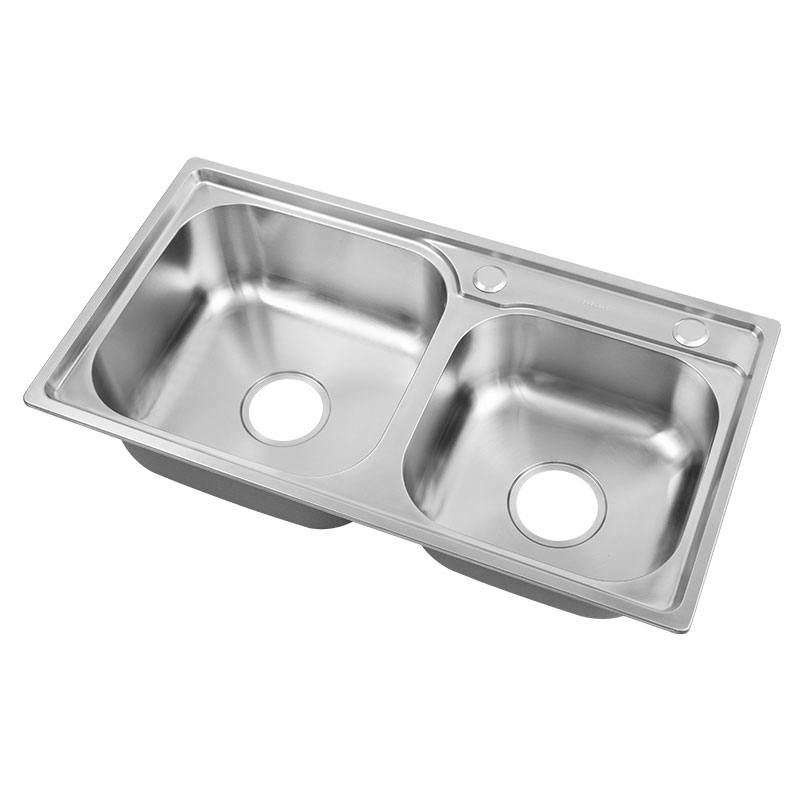
stainless steel sinks encounter several types of buildup, and each responds best to a specific cleaning approach. Using the correct cleaner for each situation helps protect the finish and reduces long-term maintenance.
For everyday cleaning, a pH-neutral dish soap combined with warm water is the most reliable option. It removes food residue, light grease, and daily grime without attacking the steel surface. When cleaning, always use a soft sponge or microfiber cloth and wipe along the grain of the sink. Cleaning against the grain can leave visible swirl marks that make the sink look worn even when it is clean.
For greasy buildup that soap cannot fully remove, a mild alkaline cleaner or baking soda paste works effectively. Baking soda provides gentle abrasion that lifts residue without scratching when used correctly. Apply it with a damp cloth, clean with the grain, then rinse thoroughly. Incomplete rinsing is a common reason sinks appear cloudy, as leftover cleaner can trap oils and create a dull film.
For hard water spots and mineral haze, a mild acidic cleaner is most effective. Diluted white vinegar or a citric-acid solution dissolves calcium deposits that soap cannot remove. Apply briefly to the affected area, wipe gently, then rinse and dry. Short contact time is important, as prolonged exposure to acids is unnecessary and may affect surface consistency around seams or drain edges.
For discoloration from coffee, tea, or food dyes, oxygen-based non-chlorine cleaners can help when used carefully. These should always be tested on a small area first and followed by thorough rinsing to avoid uneven appearance.
Some cleaners cause more harm than benefit when used on stainless steel sinks. These products can damage the surface or introduce contaminants that lead to discoloration.
Chlorine bleach and cleaners containing chlorides should be avoided. Chlorides can compromise stainless steel corrosion resistance, especially if the cleaner is left on the surface or used repeatedly. This often results in pitting or uneven discoloration, particularly near drains and seams.
Steel wool and aggressive abrasive powders should also be avoided. Steel wool can leave iron particles on the surface, which later rust and create orange stains that resemble corrosion. Coarse abrasives can scratch the finish, making the sink more prone to staining over time.
Highly acidic industrial cleaners designed for masonry or heavy-scale removal are not suitable for sink maintenance. These products can permanently damage metal surfaces and should never be used on stainless steel sinks.
Oil-based polishes are not recommended as primary cleaners. While they may temporarily enhance shine, they often attract dust and fingerprints and can leave a residue that complicates regular cleaning in high-use kitchens.
Maintaining a stainless steel sink is easier when cleaning is consistent and preventive. Simple routines help preserve the original finish and reduce the need for aggressive cleaning.
Daily maintenance should include rinsing the sink after use to remove food acids and salts, washing lightly with dish soap, rinsing again, and drying with a microfiber cloth. Drying is the most effective way to prevent water spots, especially in areas with hard water.
Weekly cleaning should focus on removing accumulated film. Use a baking soda paste or a mild stainless steel cleaner, clean with the grain, rinse thoroughly, and dry. Pay special attention to the drain area, where residue tends to accumulate.
Monthly maintenance helps control mineral buildup. Use diluted vinegar or a citric solution to remove early-stage scale, followed by thorough rinsing and drying. If buildup is heavy, repeat the process rather than increasing concentration or contact time.
Always follow the direction of the brushed finish when cleaning. This preserves visual consistency and minimizes micro-scratching.
The table below summarizes which cleaner works best for common sink conditions and how to use it safely.
| Sink Condition | Recommended Cleaner | Proper Use Method | What To Avoid |
|---|---|---|---|
| Daily food residue | pH-neutral dish soap | Soft cloth, clean with grain, rinse and dry | Letting soap film air dry |
| Greasy surface film | Baking soda paste | Gentle pressure, rinse thoroughly | Harsh scouring powders |
| Water spots and mineral haze | Diluted vinegar or citric solution | Short contact, rinse and dry | Long acid soaking |
| Beverage or food staining | Oxygen-based cleaner | Spot test, rinse completely | Chlorine bleach |
| Rust-colored surface spots | Mild cleaner with non-scratch pad | Remove contamination, dry fully | Steel wool |
| Odor or grime near drain | Sink-safe cleaner with soft brush | Clean drain edge, rinse well | Mixing different cleaners |
Rust-colored spots are often caused by external iron contamination rather than the stainless steel itself. Switching cleaning tools and removing the contamination usually resolves the issue.
The best cleaner for a stainless steel sink depends on the type of residue you are removing. Dish soap is ideal for daily care, baking soda helps with grease and film, and diluted vinegar or citric solutions are effective for mineral buildup when used correctly. Avoid chlorine, harsh abrasives, and improper tools, and always clean with the grain and dry the surface to maintain appearance.
If you have questions about sink maintenance, water conditions, or selecting the right sink model for your project, our team is ready to help. OUWAYS provides practical guidance and after-sales support to help you get the best long-term performance from our stainless steel sink solutions. Feel free to contact us for personalized recommendations or usage advice.