
A Stainless Steel Sink shines when its surface is free from three things that hide reflectivity: soap film, mineral deposits, and micro-residue from food oils. Many sinks look dull even after “cleaning” because the residue that causes haze is still on the steel, just spread more evenly. The best way to restore shine is to clean in the correct order, remove mineral haze safely, then finish with a controlled conditioning step that leaves the surface bright without turning it greasy or streaky.
This guide walks through a repeatable process that works for most brushed and satin stainless steel sinks, including OUWAYS models from our stainless steel sink collection.
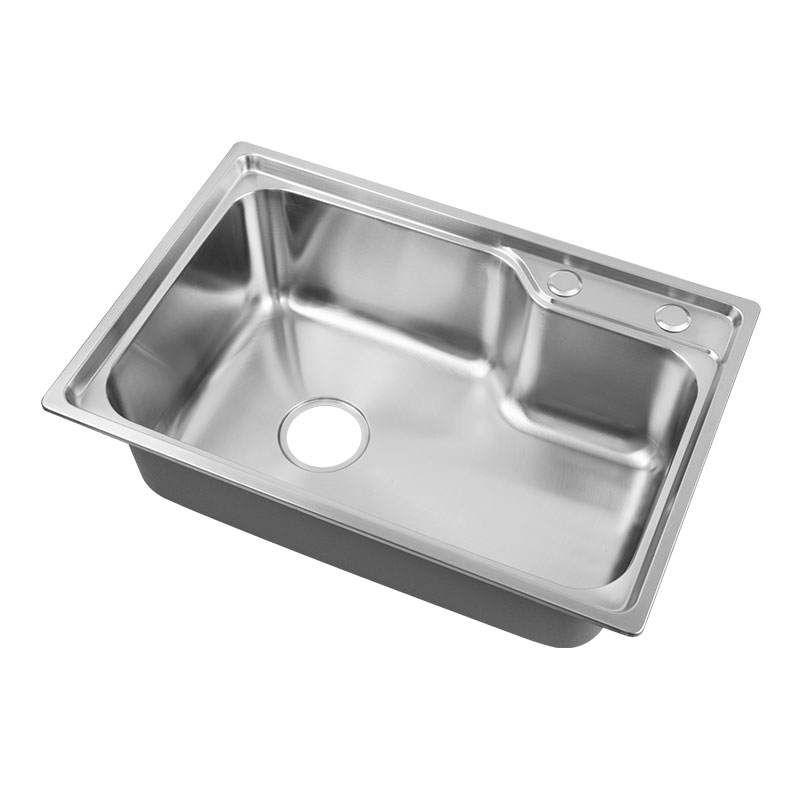
Shine starts with removing the invisible layer that blocks light reflection. In most kitchens, that layer is a combination of dish soap residue and thin oil film. If you jump straight to polishing, the sink may look shiny for a moment but will quickly streak because the polish is mixing with leftover film.
Start by rinsing the sink with warm water to soften residue on the walls and around the drain area. Then wash using pH-neutral dish soap and a soft sponge or microfiber cloth. Focus on the corners, the drain ring area, and any ledges where water sits. Work in slow strokes following the grain direction. The grain matters because it controls how light reflects and how visible any micro-scratches will be after cleaning.
Rinse longer than you think you need. A sink that looks clean but still feels slightly slick when you rub it is usually carrying detergent film. That film is one of the main reasons a sink loses its shine. Keep rinsing until the surface feels clean and squeaky. After rinsing, wipe once with a clean damp microfiber cloth to pick up any remaining soap traces, then rinse again briefly.
Drying is not optional if you want shine. Water left to air-dry will deposit minerals and create a spot pattern that reduces brightness. Use a microfiber towel to dry the entire sink, including the vertical walls and the rim. This step alone can make a noticeable difference, especially in hard water areas.
If your sink is clean and dry but still looks cloudy, the cause is usually mineral haze from hard water. This haze is not grease and it will not fully respond to soap. You need a mild acidic step that dissolves minerals while staying safe for stainless steel.
Apply diluted white vinegar or a citric-acid solution to the hazy areas. You can do this by dampening a microfiber cloth and laying it over the cloudy sections for short contact. Keep the contact brief and controlled rather than soaking for a long time. After the minerals loosen, wipe gently with the grain, then rinse thoroughly with clean water and dry immediately.
For heavier mineral buildup around the drain or where water pools, repeat the mild treatment instead of using a stronger acid. Repetition is safer than aggressiveness. After each cycle, rinse and dry, then check the surface under a bright light to see whether haze remains.
If you notice discoloration that does not respond to mineral removal, inspect your cleaning tools. Rust-colored marks can come from iron contamination, often from steel wool or metal fragments, and can make the sink look permanently dull. Use a non-scratch pad designed for stainless steel to lift surface contamination gently, then rinse and dry.
Once the sink is truly clean and free of mineral haze, a finishing step can enhance shine and make water bead, which reduces spotting. The key is to use a minimal, controlled amount and to avoid products that leave a heavy oily layer.
A purpose-made stainless steel conditioner can be applied sparingly. Put a small amount on a clean microfiber cloth, not directly on the sink. Wipe in long strokes with the grain. You are aiming for an ultra-thin film, not a wet shine. After application, buff with a second dry microfiber cloth until the surface looks bright and feels dry to the touch. If the sink feels oily, you used too much. Excess product attracts dust, collects fingerprints, and can create streaks.
If you prefer a simpler approach, a very small amount of food-safe mineral oil can also be used as a short-term shine booster, but it must be buffed thoroughly and used carefully around food preparation areas. The same rule applies: the thinnest layer wins. A thick layer looks shiny at first, then turns into a smudged film.
Avoid polishing over remaining soap film, because it will trap moisture and create cloudy streaks that are hard to remove. The best-looking shine always comes from cleanliness first and conditioning last.
Keeping a stainless steel sink shiny is easier than restoring shine after months of buildup. A short weekly routine prevents haze from returning and reduces the need for strong cleaning steps.
A practical routine includes:
After daily use, rinse and dry the sink to prevent mineral spots from forming.
Once a week, wash with dish soap, rinse thoroughly, dry, and then do a quick buff with a clean microfiber cloth.
If hard water is an issue, use a brief diluted vinegar wipe weekly, followed by a full rinse and dry, to prevent mineral haze from building.
Use sink grids or bottom racks correctly, and lift them during cleaning so trapped moisture does not create dull patches under the grid.
If your sink is brushed or satin, always follow the grain. This keeps the finish uniform and maintains the look that makes stainless steel appear higher-end.
Use the table below to diagnose why a sink is not shining and what to do next. This helps you avoid repeating steps that do not match the real issue.
| What You See | Likely Cause | Best Fix Step | What To Avoid |
|---|---|---|---|
| Dull overall look after cleaning | Soap film or oil haze | Soap wash, longer rinse, full dry | Polishing before removing film |
| Cloudy patches or rings | Hard water minerals | Diluted vinegar or citric wipe, rinse, dry | Strong acids or long soaking |
| Streaky shine after polishing | Too much conditioner or residue underneath | Remove residue, reapply thinner layer, buff | Heavy oil coating |
| Orange or brown specks | Iron contamination from tools | Non-scratch pad cleaning, rinse, dry | Steel wool, wire brushes |
| Shine fades quickly | Air-drying water spots | Dry after each use, weekly mineral control | Leaving standing water |
To make a stainless steel sink shine, you need the correct sequence: remove soap and oil film with a thorough wash and rinse, eliminate mineral haze with a mild acid step, then finish with a thin, well-buffed conditioning layer. The biggest difference makers are rinsing fully and drying completely, because water spots and residue are the main reasons shine disappears.
If you want guidance based on your water conditions, your sink finish, or your cleaning routine, contact us anytime. OUWAYS provides practical support and maintenance recommendations for our stainless steel sink products, and we can help you choose a care method that keeps your sink looking bright with minimal effort.