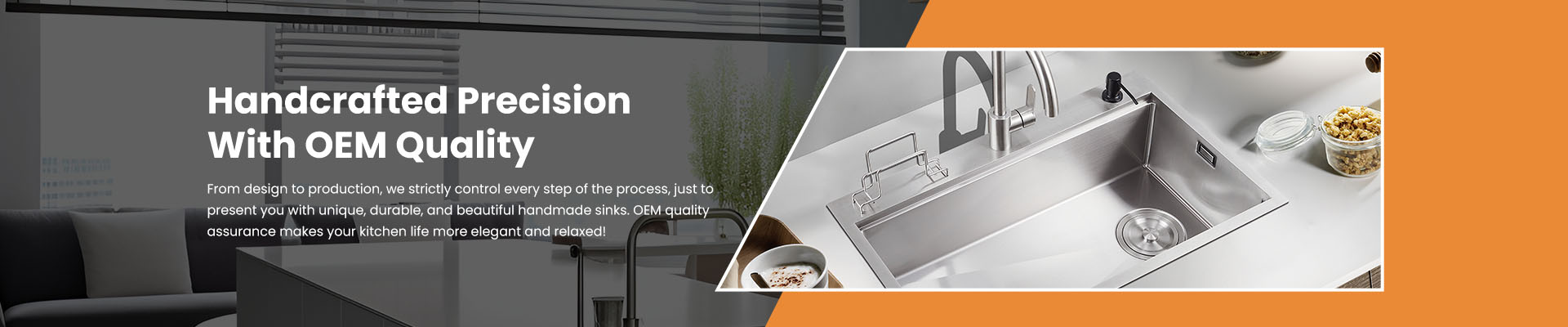
Choosing a Handmade Kitchen Sink is not simply about picking a sink that looks modern. A good sink should fit the kitchen layout, support daily washing tasks, and stay easy to maintain over time. In many kitchens, the sink is one of the most frequently used work areas. It is used for washing vegetables, cleaning cookware, rinsing dishes, and handling food preparation. That is why the right Handmade Kitchen Sink should be chosen with real use in mind, not only with visual style in mind.
A handmade kitchen sink is often preferred because it usually has a cleaner shape, straighter lines, and a more refined finish than an ordinary pressed sink. It can make the sink area look more premium, but more importantly, it can also improve daily workflow when the size, depth, and installation method are chosen properly. For homeowners, kitchen brands, and project buyers, the best choice is usually the one that balances appearance, durability, and practical everyday use.
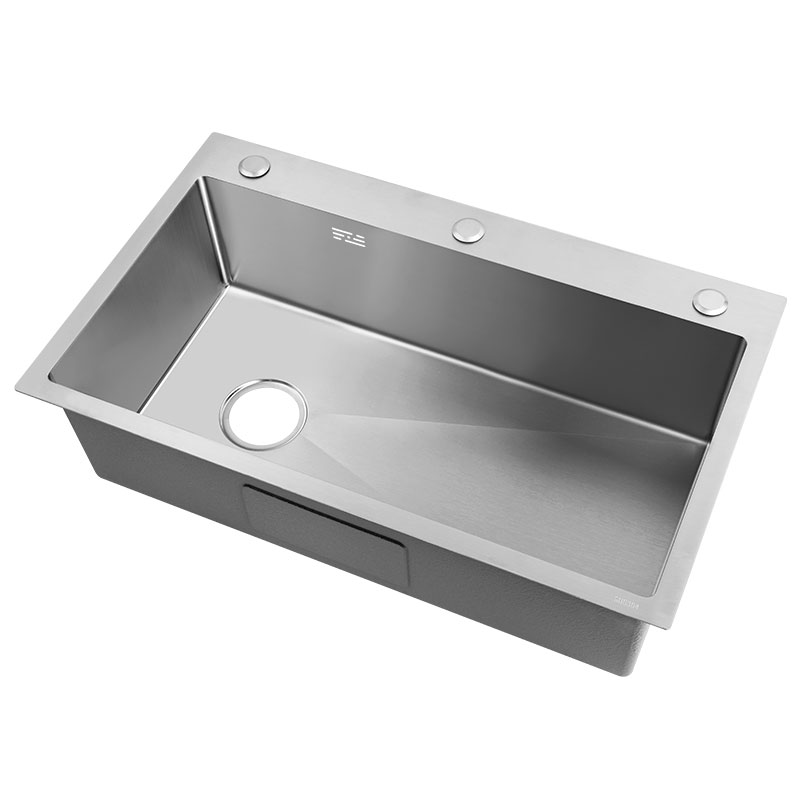
A handmade kitchen sink is generally made through a more detailed fabrication process, which gives it a more defined structure and a more precise appearance. This is one reason it is often chosen for modern kitchens, custom cabinetry projects, and higher-end interior spaces. The shape usually looks sharper and more intentional, which works well in kitchens that use simple cabinet lines and contemporary countertops.
The difference is not only visual. A handmade sink is also often chosen because buyers expect better control over details such as bowl depth, corner style, finish, and installation fit. In a finished kitchen, these details matter more than many people expect. The sink is not just a utility product. It is also an important part of the kitchen design.
Size is one of the first things to consider. A sink that is too small can feel inconvenient every day, especially when washing large pots or trays. A sink that is too large can take away useful counter space and may not match the cabinet size well. The best choice depends on how the kitchen is used and how much working room is available around the sink.
For many kitchens, a balanced sink size is more useful than simply choosing the largest option. Buyers should think about bowl width, depth, and how much counter surface they want to keep for food preparation. A sink that works well with the cabinet and countertop layout usually feels more natural in daily use.
Material has a direct effect on durability, appearance, and long-term maintenance. A kitchen sink is exposed to water, detergent, cookware impact, and repeated daily use, so the material needs to be reliable. A handmade kitchen sink made from quality stainless steel is often a practical choice because it offers a good balance between strength, corrosion resistance, and ease of cleaning.
This also matters for long-term appearance. A sink should still look neat after regular use, not only when it is new. Buyers who focus on material quality early usually make a better decision than those who only focus on design.
Depth changes the way the sink feels in everyday use. A deeper bowl often gives more room for washing large cookware and can help reduce splashing. This is especially useful in busy kitchens where the sink handles a lot of daily cleaning work.
At the same time, the bowl should not be chosen without thinking about comfort. If the sink is too deep for the user and countertop height, it may feel less comfortable during longer washing tasks. A balanced depth usually gives the best result because it provides enough capacity while still feeling easy to use.
Finish is an important part of both appearance and maintenance. A handmade kitchen sink is often chosen because buyers want a more refined sink area, so the finish should work naturally with the kitchen style. Some buyers prefer a cleaner brushed look, while others may want darker or more decorative finishes that create a stronger visual statement.
A good finish should do more than look attractive. It should also be practical to maintain. In real kitchens, water marks, fingerprints, and daily use traces are normal. A finish that stays easier to wipe down and keeps its look more consistently can make a real difference over time.
Installation method should always be part of the decision. A handmade kitchen sink may be installed above the counter or below the counter depending on the kitchen design and countertop material. This affects not only the look of the sink area, but also how easy it is to clean and how the sink works with the cabinet.
An undermount installation often creates a cleaner countertop line and makes it easier to wipe water and crumbs directly into the bowl. A topmount option can be easier for some projects and may suit certain counter materials better. The right choice depends on the cabinet plan, countertop design, and the look the buyer wants to achieve.
One reason many buyers like a handmade kitchen sink is that it can be easier to keep clean when the surface treatment is well designed. In real use, a sink should handle food residue, water, and everyday washing without becoming difficult to maintain. Smooth and practical surfaces are usually better for busy kitchens.
Daily maintenance should feel simple, not complicated. A sink that can be cleaned quickly after normal use is usually a better fit for modern kitchens, especially where people cook often and use the sink heavily. Easy maintenance is not a small detail. It is part of what makes the sink feel practical year after year.
For distributors, contractors, and project buyers, customization can be just as important as the standard product. Different kitchens may need different sizes, finishes, or installation preferences. A supplier that supports custom options usually gives buyers more flexibility, especially for cabinet matching, private label programs, or project-based sourcing.
This is particularly useful in larger residential projects, renovation work, and custom kitchen lines where one standard size may not suit every application. When customization is available, the sink becomes easier to integrate into a wider range of market needs.
The best handmade kitchen sink is the one that fits the way the kitchen is actually used. Some households cook daily and need a large, practical sink with strong durability. Some projects focus more on visual impact and premium finish. Others need a flexible sink option that works across different cabinet lines and customer preferences.
Thinking about real kitchen habits usually leads to a better result than following appearance alone. A sink should support normal work naturally. It should feel comfortable during washing, easy to maintain, and visually consistent with the rest of the kitchen.
Choosing the right handmade kitchen sink means looking at the full picture: size, material, depth, finish, installation method, and long-term practicality. The best sink is usually not the most complicated one. It is the one that fits the kitchen layout well, feels easy to use every day, and continues to look right over time.
If you are comparing handmade kitchen sink options for residential projects, kitchen brands, or wholesale sourcing, feel free to contact us for more details. We can help you review sizes, finishes, and application needs, and recommend a sink solution that fits your market and your project plans.