Many people ask this question after seeing stains, water marks, or drain odor in the kitchen sink. Toilet bowl cleaner is strong, easy to find, and often marketed as a fast solution for tough cleaning. That makes it tempting to use on other surfaces around the home. But when it comes to a kitchen sink, the answer is usually no. In most cases, toilet bowl cleaner is not the right product for sink cleaning, especially if the sink is made of stainless steel.
The problem is not only about whether the sink will look clean after one use. The real issue is whether the cleaner is suitable for the sink material, the drain parts, and the daily hygiene needs of a kitchen environment. A kitchen sink is where people wash vegetables, fruit, cookware, and tableware. That means the cleaning method should remove dirt without leaving behind harsh chemical risk or damaging the surface over time.
Toilet bowl cleaners are made for a very different job. A toilet bowl is usually porcelain, and the cleaner is designed to break down mineral scale, stains, and residue in a bathroom setting. A kitchen sink, however, deals with food, grease, detergent, acidic liquids, and frequent direct contact with hands and utensils. The cleaning needs are not the same, and neither are the material requirements.
Many toilet bowl cleaners are highly acidic or contain aggressive active ingredients. These formulas may be effective on toilet stains, but they can be too harsh for sink finishes, drain fittings, and nearby accessories. Even if the sink does not show damage immediately, repeated exposure can dull the surface, affect the original finish, or shorten the clean appearance people want to maintain in a kitchen.
A stainless steel sink is valued because it is durable, practical, and relatively easy to maintain. But easy to maintain does not mean it should be cleaned with any chemical at hand. Strong toilet bowl cleaner can leave the surface looking uneven, reduce the natural shine, or create discoloration if the chemical sits too long.
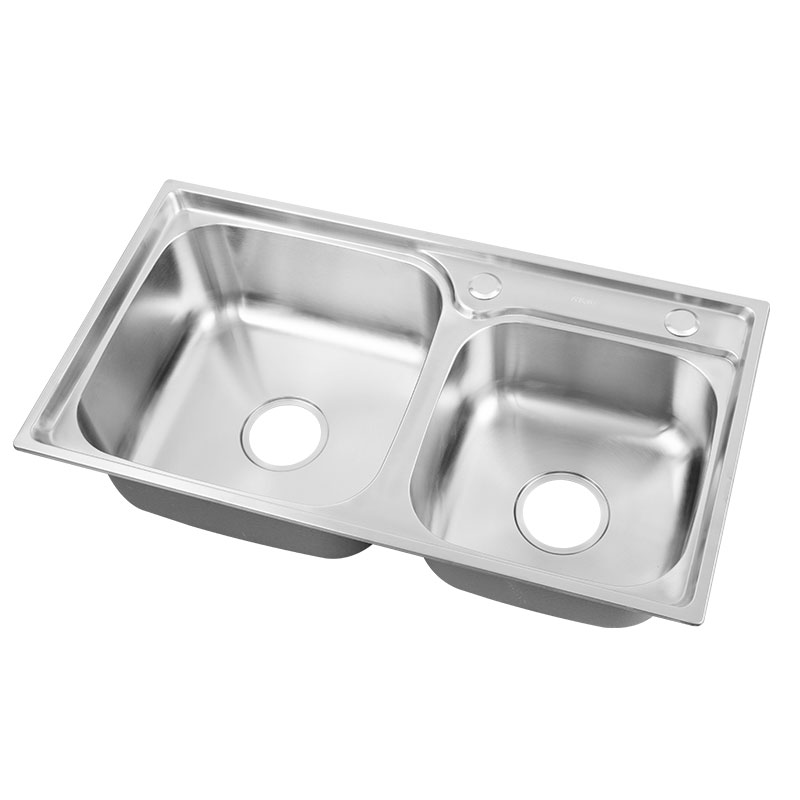
This is especially important in a kitchen where the sink is used every day. A Double Bowl Overmount Sink is often chosen because it supports efficient washing, rinsing, and food prep in one place. When that kind of sink is cleaned with the wrong chemical, the problem is not only visual. Surface damage can make future cleaning harder because residue may cling more easily to a finish that is no longer in good condition.
Some people are not trying to clean the whole sink. They only want to clean the drain and assume toilet bowl cleaner is strong enough to solve the problem quickly. But the drain area also includes metal parts, seals, and connections that may not respond well to harsh chemical products. A cleaner that seems powerful in the moment may create longer-term wear where the user cannot easily see it.
In the kitchen, drain buildup usually comes from grease, food scraps, soap film, and standing residue. That kind of dirt is better managed with regular, sink-safe cleaning instead of highly aggressive products. If the drain smells bad or starts running slowly, the better solution is usually a combination of hot water, mild cleaner, and physical removal of trapped residue near the strainer or basket area.
A kitchen sink is not just another household surface. It sits in the middle of food handling and daily washing. That is why cleaning products used in the sink should be chosen more carefully than products used in the bathroom. A cleaner that leaves behind a strong chemical trace may not be ideal in a place where cups, plates, produce, and cooking tools are rinsed throughout the day.
This is one reason gentle and neutral cleaning methods are often preferred for modern kitchen sinks. They help preserve the material while making it easier to keep the washing area fresh, practical, and more comfortable for daily use.
For most routine sink cleaning, a mild dish soap, neutral cleaner, soft cloth, or non-abrasive sponge is enough. That simple approach removes oil film, light stains, and daily splash marks without placing unnecessary stress on the sink surface. For the drain opening, removing visible residue first is usually more effective than pouring in a harsh cleaner.
If odor is the main issue, cleaning the strainer, flushing with hot water, and wiping the drain edge carefully often makes a noticeable difference. If grease buildup is the problem, regular maintenance works better than waiting until the drain becomes heavily blocked. In other words, the safest cleaning method is often also the most practical one.
Start by removing leftover food scraps and rinsing the bowl with warm water. Then use a mild cleaner and wipe the sink in the direction of the grain if it is stainless steel. Pay attention to the corners, the drain edge, and the area around the faucet base where residue often collects.
After cleaning, rinse the sink thoroughly and dry it with a soft cloth. This last step is often overlooked, but it helps reduce water spots and keeps the surface looking cleaner for longer. In a double bowl sink, it is also helpful because one side may be used for washing while the other is used for draining or prep, so keeping both bowls dry and fresh improves the whole kitchen routine.
There are times when a sink has heavy buildup, hard water staining, or deep drain odor that mild soap alone cannot solve. Even then, toilet bowl cleaner is still not the best answer. A sink-specific cleaner or a stainless-steel-safe product is a much better choice. The right product should match the sink material and the actual source of the dirt.
Using a stronger product occasionally is very different from using a product that was never intended for sinks in the first place. The safer approach is to choose a cleaner based on compatibility, not only on strength.
A well-designed sink is easier to clean correctly. In a kitchen sink with a practical bowl layout, smooth surface, and functional topmount installation, daily maintenance becomes simpler because residue is easier to reach and easier to remove. This is one reason stainless steel overmount sinks remain a common choice for residential kitchens, rental projects, and commercial support areas.
For buyers, maintenance should always be part of product selection. A sink may look attractive at first, but long-term value often depends on how easy it is to clean, how well it resists daily wear, and how suitable it is for repeated kitchen use.
So, can you use toilet bowl cleaner in the sink? In most situations, you should not. It may seem like a quick fix, but it is usually too harsh for a kitchen sink, especially for stainless steel models and drain components that need more suitable care. A kitchen sink should be cleaned with products that protect the surface, support hygiene, and make everyday maintenance easier rather than riskier.
If you are choosing a Stainless Steel Kitchen Sink and want a model that is practical to clean, comfortable to use, and suitable for long-term kitchen projects, feel free to contact us. We can help you explore product details, sink styles, and customization options so you can find a more suitable solution for your market and application.
Previous: How To Clean Stain Steel Sink?