A Stainless Steel Sink is designed for daily kitchen use, so seeing rust-like marks on the surface can be frustrating. Many people assume the sink itself is rusting through, but in most cases that is not what is happening. What usually appears first is surface rust, iron residue, or orange-brown staining caused by metal contact, standing water, cleaning habits, or mineral buildup. The good news is that most of these marks can be removed safely if the right method is used early.
The key is not to treat stainless steel like rough industrial metal. A kitchen sink has a visible finish, and that finish needs care. Cleaning too aggressively can do more damage than the rust mark itself. A better approach is to remove the stain gently, protect the surface, and then correct the daily habits that caused it in the first place.

Stainless steel is known for corrosion resistance, but that does not mean it is completely immune to rust-colored staining. In everyday kitchen use, the surface is exposed to water, food acids, detergent, and metal tools again and again. If iron particles from steel cookware, cans, or metal wool stay on the sink for too long, they may begin to rust on the surface. When that happens, it often looks like the sink is rusting, even though the stainless steel body is still in good condition.
Standing water can also make the problem more visible. If water stays around the drain, in corners, or under accessories, minerals and residue may build up and make the surface look dull or stained. In some cases, chlorine-based cleaners or harsh chemical products may weaken the protective surface layer and make staining easier to notice later.
Before trying to remove rust, it helps to understand what kind of mark you are dealing with. Most sink rust is surface-level contamination. It may sit on top of the finish or settle into light residue on the bowl bottom, around the drain edge, or near accessories. This kind of rust is often removable with patient cleaning.
True material damage is different. If the sink surface has been deeply scratched, exposed to repeated harsh chemicals, or damaged by long-term neglect, the mark may be harder to correct fully. Even then, the right cleaning process can still improve the appearance and prevent the area from getting worse. The important part is to avoid panic cleaning. Stainless steel responds better to controlled care than to strong force.
The first step is always a full surface clean. Rust marks can look heavier than they really are when grease, soap film, or water spots are sitting around them. Begin by rinsing the sink with warm water. Then use a mild detergent and a soft cloth or non-abrasive sponge to remove daily residue from the whole bowl.
Cleaning the entire surface first gives you a clearer view of the stain and prevents dirt from interfering with rust removal. It also helps you see whether the mark is really rust or simply food residue, hard water staining, or discoloration from standing moisture. Many people skip this stage and go straight to scrubbing, which is one reason sink finishes get damaged unnecessarily.
Once the sink is clean, focus on the rust mark itself. A stainless-steel-safe cleaner or a gentle rust-removal paste made for kitchen surfaces is usually the best option. Apply a small amount to a soft cloth or sponge and work carefully over the affected area. The movement should follow the grain of the stainless steel rather than go across it. This matters because brushed stainless steel can show fresh cleaning marks if it is rubbed in the wrong direction.
Do not try to remove the stain in one hard pass. Light pressure and repeated gentle cleaning usually work better. Rust on a sink surface often lifts gradually. If the mark becomes lighter after one cleaning cycle, that is a good sign. It means the stain is being removed without forcing the finish.
When people see rust, they often reach for steel wool, rough scrub pads, or strong chemical cleaner. That approach may seem effective at first, but it is risky. Abrasive tools can scratch the sink and create a rougher surface that collects more residue later. In some cases, steel wool can even leave behind tiny iron particles that make future rust staining more likely.
A kitchen sink should be cleaned in a way that protects its long-term appearance. The goal is not only to remove a stain today. It is to keep the bowl smooth, clean, and easier to maintain after the stain is gone. A scratched sink may still function, but it usually becomes harder to keep looking clean.
Rust-like marks often appear where water stays the longest. The drain edge, bowl corners, and the area under sink accessories are all common trouble spots. These areas should be cleaned carefully, especially if the sink is used heavily for cookware, rinsing, or food prep.
If the stain is near the drain, remove visible residue first and make sure the area can dry properly after cleaning. If accessories such as strainers, racks, or metal containers sit in the sink for long periods, check whether they are trapping moisture underneath. Sometimes the real cause of the rust mark is not the sink itself, but repeated contact with another wet metal item.
Rust staining often comes from routine habits rather than product failure. Leaving wet cans, metal utensils, or cleaning tools in the sink overnight is a common example. Another is failing to wipe the sink dry after heavy use. Stainless steel handles water well, but constant moisture combined with residue can still leave visible marks over time.
Cleaning product choice matters too. Chlorine-heavy cleaners and overly aggressive chemicals are not ideal for regular sink care. Even if they do not cause immediate visible damage, repeated use may weaken the clean, even appearance of the finish. A sink usually stays in better condition when it is cleaned gently but consistently.
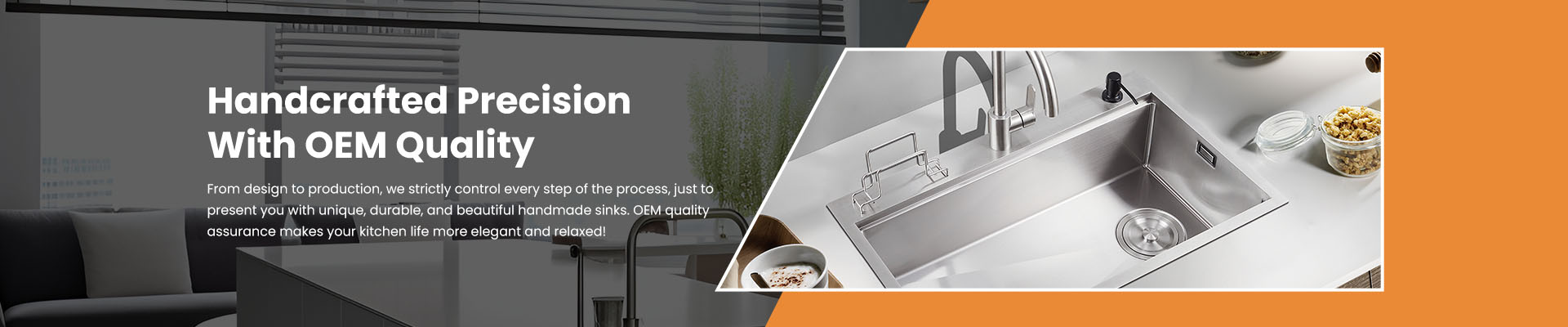
A well-designed sink is easier to keep clean and easier to protect from long-term staining. In a Handmade Single Bowl Sink, the larger uninterrupted washing space is useful for cookware and food prep, but it also means the bowl surface sees frequent direct contact with heavy kitchen items. That makes surface care especially important. A sink with good stainless steel material, a practical bowl layout, and a clean surface finish is much easier to maintain when rust spots appear occasionally.
This is one reason many project buyers and kitchen brands pay attention not only to sink size, but also to material grade, finish choice, and overall fabrication quality. A sink that looks simple on the outside often depends on careful manufacturing details to stay practical in everyday use.
Removing rust is only half the job. The other half is preventing it from returning. After cleaning, rinse the sink thoroughly and dry it with a soft cloth. That one habit alone can reduce many common water-related marks. Try not to leave metal objects sitting in the bowl for long periods, especially if they hold moisture underneath.
It also helps to keep the sink surface free from trapped residue. Food scraps, detergent film, and standing moisture all make the surface harder to protect. Regular cleaning with a mild product is usually more effective than occasional deep cleaning with harsh chemicals. Prevention is simpler, safer, and better for the finish.
If a rust mark remains after several gentle cleaning attempts, the issue may be deeper contamination or surface wear. At that point, the sink may need a more suitable stainless-steel treatment product rather than stronger force. The important thing is not to keep escalating to rougher tools without understanding the surface.
In most kitchens, though, early rust-like staining is manageable. When caught early, cleaned correctly, and followed by better maintenance, the sink usually returns to a much cleaner and more even appearance without major effort.
Rust marks on a stainless steel sink can look serious, but in most cases they are surface stains that can be removed with the right method. Gentle cleaning, stainless-steel-safe products, and working along the grain are the best ways to lift rust without harming the finish. Just as important, drying the sink, avoiding metal residue, and building better daily cleaning habits can help stop the problem from returning.
If you are choosing a handmade stainless steel sink and want a product that is practical for daily kitchen use, easy to maintain, and suitable for custom projects, feel free to contact us. We can help you understand material options, finish details, and customization support so you can select a sink solution that fits your market and your application more smoothly.