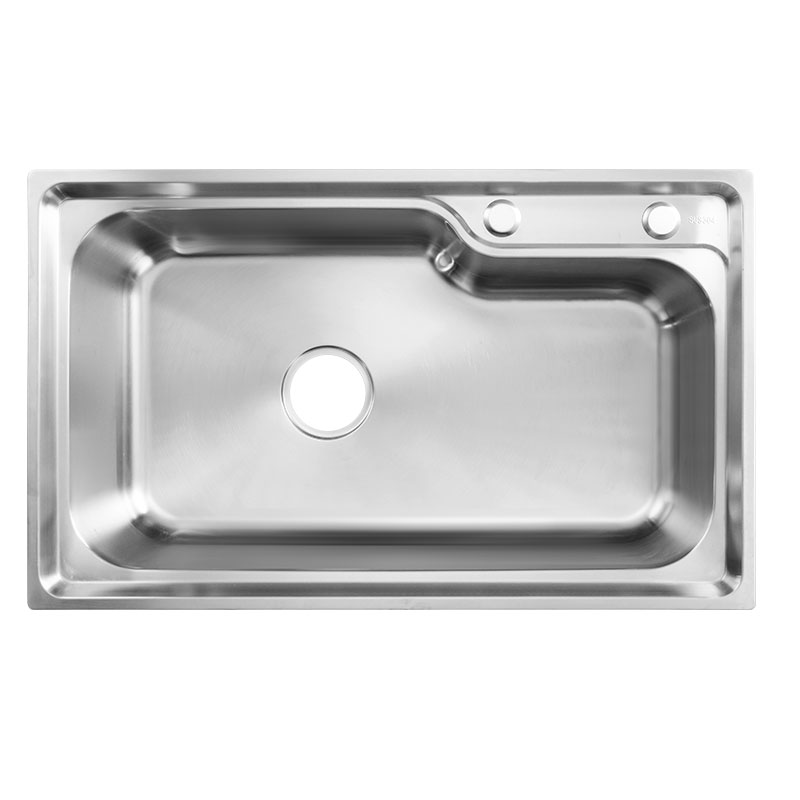
Walk into a busy restaurant kitchen during peak hours and you’ll quickly notice one recurring bottleneck: staff struggling with large stock pots and baking trays in a deep Stainless Steel Sink that simply isn’t deep enough. Water flies everywhere, cleaning takes longer than it should, and chefs waste valuable time and energy fighting the sink instead of preparing meals.
This common issue with insufficient depth quietly reduces kitchen productivity and increases daily frustration for operators and contractors alike.
When a deep stainless steel sink lacks adequate bowl depth, even routine tasks become difficult. Large pots cannot be fully submerged, forcing staff to tilt them at awkward angles. The result is heavy splashing that soaks floors, countertops, and workers’ uniforms. This not only slows down the entire dishwashing process but also creates safety hazards and extra cleaning work during already hectic service periods.
Many kitchen managers have seen how this single design flaw affects overall team efficiency and staff morale over time.
After working with numerous restaurant and hotel projects, the industry has clear preferences based on actual usage:
Sinks with 8–10 inches of depth often struggle in busy environments.
10–12 inches works reasonably well for moderate operations.
12–14 inches of bowl depth proves far more effective for high-volume kitchens that regularly handle oversized cookware.
Deeper bowls give staff enough room to maneuver large items naturally, dramatically cutting down on splash and making washing faster and less tiring.
We are OUWAYS. Our deep stainless steel sink collection features multiple 12-inch and 14-inch depth options precisely because these measurements solve the real pain points we hear from commercial kitchen professionals.
With proper depth, chefs can wash tall pots and trays in one smooth motion rather than fighting constant overflow. Workstations stay drier, floor slip risks decrease, and cleaning cycles become noticeably shorter. These improvements may seem small on paper, but they compound into better labor efficiency and smoother service during rush periods.
Depth should match both your most frequently used equipment and the physical height of your kitchen team. A good sink also needs the right combination of bowl width, drainage slope, and sturdy construction to deliver consistent performance day after day.
Conclusion
Choosing the correct depth for a deep stainless steel sink is one of the most practical ways to improve washing efficiency and reduce daily headaches in high-volume commercial kitchens. The difference between “okay” and truly effective depth can be felt in every shift.
If you’re specifying sinks for a new restaurant, hotel, or renovation project and want to get the depth right the first time, feel free to get in touch. Tell us about your typical equipment and kitchen layout, and we’ll share straightforward recommendations that match your actual needs.