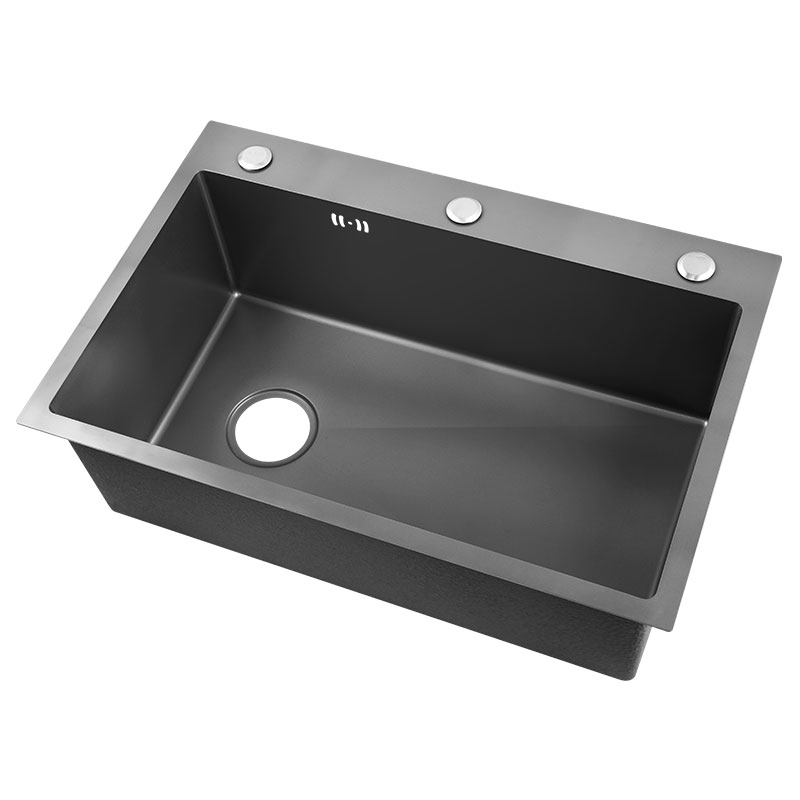
A countertop gap around the sink is easy to notice after installation, but it is usually created before the sink reaches the site. The cabinet opening may be prepared from unclear dimensions. The countertop cutout may follow a rough drawing. The sink edge may not match the selected mounting method. Once the countertop is already cut, even a few millimeters of mismatch can turn into visible gaps, uneven sealant lines, water residue, and harder cleaning.
For cabinet factories, countertop fabricators, kitchen project buyers, and renovation suppliers, a Stainless Steel Handmade Kitchen Sink should not be selected only by bowl size or finish color. The real installation result depends on edge design, dimensional stability, drain position, cabinet support, and how early these details are confirmed before cutting begins.
Countertop teams need more than an outer sink size. They need the real basin shape, corner radius, edge width, mounting direction, drain position, and cutout reference. If these details are missing, the installer may leave extra space to stay safe. That extra space becomes the gap customers see later.
In kitchen projects, this is not just a visual issue. Water, oil, food crumbs, and cleaning residue can collect around uneven edges. Over time, the area may look dirty even when the sink itself is still in good condition.
A sink is not installed alone. It must work with the cabinet module, countertop material, faucet position, drainage route, and support structure. If the cabinet width is tight or the drain conflicts with internal partitions, the installer may need to shift the sink slightly. Once that happens, the cutout line may no longer match cleanly.
Before production or bulk ordering, the sink should be checked together with the kitchen layout, not treated as a separate accessory.
Handmade Sinks are often used in modern kitchens because they create cleaner internal lines and a more structured basin shape. But clean lines also make poor edge matching easier to see. If the sink edge is not stable, the countertop connection may look uneven after installation.
Our simple handmade Stainless Steel Kitchen Sink is made from 304 stainless steel with a hand-welded structure. It can be supplied in a 68×45cm size direction or adjusted for custom project needs. For kitchen suppliers, this helps match different cabinet and countertop layouts before the site team starts cutting.
Some installers try to cover gaps with thicker sealant. This may make the sink look acceptable at first, but thick sealant lines can discolor, collect dirt, and become harder to clean. In rental kitchens, hotel kitchens, and residential projects, this can create hygiene complaints after handover.
A better solution is to reduce the gap before installation. That means confirming sink size, edge width, cutout position, and mounting method early enough.
For a single custom kitchen, the installer may adjust small details on site. For apartment kitchens, commercial kitchens, or repeated cabinet projects, that approach is risky. Every sink needs to follow the same size logic so the countertop team can repeat the cutout accurately.
If one batch has slight edge differences or inconsistent basin geometry, the installation team may need to correct every unit separately. This increases labor cost and makes final quality harder to control.
The corner area matters because it affects both appearance and support. If a corner is not well formed, the sink may not align cleanly with the countertop opening. Handmade welding should create a firm basin body, but buyers still need to confirm the installation reference before mass use.
For a Stainless Steel Handmade Kitchen Sink, stable geometry is more important than a dramatic design. The sink should help the countertop look clean, not force the installer to solve shape problems on site.
Drain position affects cabinet storage, pipe routing, garbage disposal compatibility, and installer movement. If the drain location conflicts with cabinet structure or existing plumbing, the sink may need to move from its planned position.
That small movement can create uneven countertop gaps. A sink that looked correct on paper may sit awkwardly once plumbing is considered.
Before confirming the sink, project buyers should check the drain direction, cabinet partition, faucet placement, and pipe route. This is especially important for repeated kitchen layouts where the same sink will be installed many times.
A clear drain plan helps prevent countertop recutting, cabinet modification, and messy sealant correction after installation.
A sink finish can make the kitchen feel coordinated or disconnected. Brushed stainless steel suits practical kitchen projects. Gun grey and black titanium can match darker cabinets, modern countertops, or more refined kitchen designs.
The finish should be selected together with the countertop, faucet, cabinet handles, and kitchen hardware. This helps the sink look like part of the whole kitchen plan rather than a separate replacement item.
A handmade sink depends on clean edges and stable shape for installation. If the rim is bent, the corner is damaged, or the surface is scratched during shipping, the installer may struggle to achieve a clean countertop connection.
For bulk projects, packing protection should be discussed before delivery. The sink should arrive ready for installation, not require repair before the countertop team can continue.
A kitchen sink handles water, oil, food residue, and cleaning chemicals every day. If the sink edge does not fit the countertop well, residue can collect in small gaps. This is especially problematic in rental kitchens, hotel kitchens, staff kitchens, and food preparation areas where users may not clean carefully after every use.
A cleaner edge makes daily wiping easier. It also helps the kitchen stay presentable for longer.
For project buyers, the final kitchen is judged by visible details. A cabinet may be strong, and the countertop may be good, but an uneven sink opening can still make the whole kitchen look unfinished.
This is why sink specification should be part of project planning, not a last-minute purchase.
A Stainless Steel Handmade Kitchen Sink can prevent installation gaps when the size, edge design, drain position, finish, and packing protection are confirmed before countertop cutting begins. The goal is not to repair visible gaps after installation. The goal is to avoid creating them in the first place.
For cabinet factories, countertop fabricators, apartment kitchen projects, and custom kitchen suppliers, the next step should be practical: confirm the cabinet width, countertop material, preferred sink size, mounting method, drain position, finish direction, and order quantity before production.
If your kitchen project needs handmade Stainless Steel Sinks that fit countertops more accurately, come to us to prepare this part of the solution. Send the cabinet layout, countertop type, sink size requirement, mounting method, drain position, and finish choice. Our team can help match the sink specification with your installation plan, so the finished kitchen looks cleaner, seals better, and avoids visible gaps that affect hygiene and project acceptance.