
Choosing the best gauge for a Stainless Steel Sink is one of the most practical decisions you can make before purchasing, because gauge directly affects how the sink feels, how it performs under daily impact, and how well it resists noise and deformation over time. Gauge refers to sheet thickness, and in stainless steel sinks the rule is simple: a lower gauge number usually means a thicker sheet. Thicker stainless steel typically provides better rigidity, less vibration, and a more premium feel, but the best choice depends on how the sink will be used, the cabinet structure, the sink size and shape, and the installation method.
This guide explains common sink gauges, what they mean in real kitchens, how to match gauge to usage and sink style, and how OUWAYS supports buyers with stainless steel sink solutions. You can explore OUWAYS options here: stainless steel sink.
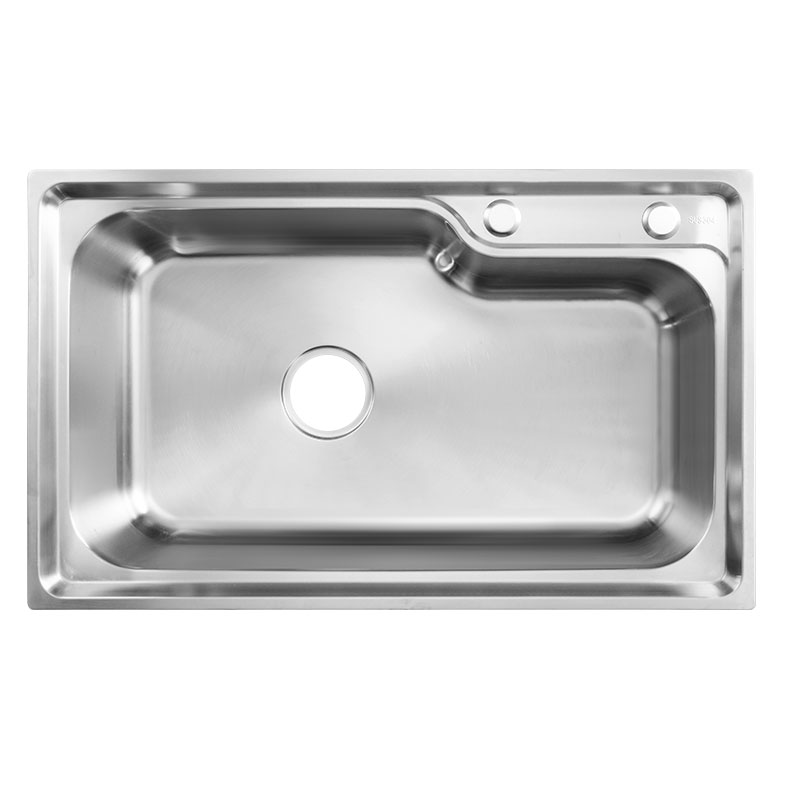
Gauge is not a marketing label. It is a thickness category. In stainless steel sinks, the most common gauges are 16, 18, and 20, with 16 being thicker than 18, and 18 being thicker than 20. Thickness influences three everyday factors: structural stiffness, sound behavior, and long-term shape stability.
A thicker sink base and walls usually feel more solid when you place heavy cookware inside. It tends to flex less when water pressure hits the bowl surface, and it often reduces the sharp metallic resonance that some users notice with very thin sinks. However, gauge should not be evaluated alone. A well-designed sink combines gauge choice with bowl geometry, corner radii, sound-dampening layers, and proper installation support.
For many residential kitchens, 18 gauge is often considered a balanced choice. It typically provides a solid feel, good rigidity, and practical cost efficiency, especially for standard bowl sizes and common daily use. For heavy-use kitchens or large single-bowl designs, many buyers prefer 16 gauge because the thicker material can improve stiffness and reduce the chance of dents from heavy cookware impact.
Thinner options like 20 gauge can still work, especially for secondary sinks, light-duty use, or smaller bowls. The trade-off is that thinner sinks can transmit more vibration and may feel less rigid in larger formats. This does not automatically mean failure, but it often changes the user experience.
The best gauge is the one that matches both the usage intensity and the sink design. That is why professional suppliers focus on the total build quality, not only a gauge number.
The right gauge depends on your real habits, not only the label.
Heavy cookware and frequent impact
If the sink regularly handles cast iron pans, large stockpots, or frequent dish stacking, a thicker gauge is usually the safer choice. The extra stiffness helps reduce flex under load and supports long-term stability.
Large single-bowl sinks
Large bowls have more open surface area, so sheet stiffness matters more. A thicker gauge often improves the “firmness” feel when water hits the bowl or when you place heavy items inside.
Busy households or commercial-style cooking
More daily cycles mean more cumulative stress. Thicker material can reduce vibration and help keep the sink body stable over a longer service life.
Light use or secondary prep sinks
If the sink is used mainly for rinsing produce or light dishwashing, a thinner gauge can still perform acceptably, especially when the sink includes good sound control and is installed correctly.
Gauge selection should be based on what you want the sink to feel like and how long you expect it to maintain that feel under your daily routine.
Two sinks with the same gauge can feel very different. Several design and build details change performance just as much as thickness.
Bowl geometry and corner radius
Tighter corners can look modern but may increase stress concentration. Balanced corner design supports both cleaning convenience and structural distribution.
Sound-dampening design
Many sinks use undercoating or pads to reduce noise. This improves the user experience, especially in open kitchens where sound travels.
Installation method and support
An undermount sink relies heavily on correct bracketing and a stable countertop cutout. A topmount sink relies on rim design and sealing. A thicker gauge can help, but correct installation matters more for long-term stability.
Stainless steel grade and finishing
Material quality, surface treatment, and finishing consistency affect scratch appearance, stain resistance, and overall visual longevity.
This is why it is more accurate to think of gauge as one part of a complete performance package rather than a standalone guarantee.
| Common gauge | Typical feel | Best match scenarios | What to watch for |
|---|---|---|---|
| 16 gauge | Very solid and rigid | Large bowls, heavy cookware, high-traffic kitchens | Higher material cost, requires good fabrication for clean finish |
| 18 gauge | Balanced, sturdy for most homes | Standard kitchen sinks, daily use, good value range | Confirm sound control and installation support for best experience |
| 20 gauge | Lighter and more flexible | Light-duty sinks, small bowls, secondary sinks | More vibration and noise potential in large formats |
This table helps buyers quickly match gauge to realistic expectations without oversimplifying the decision.
Once installed, the sink should feel stable during normal use.
When water hits the bowl, the sound should feel controlled rather than sharp and hollow
When you place a heavy pot in the sink, the base should not flex noticeably
When you press gently on the bowl wall, it should feel firm and consistent
The sink should sit flat without gaps or stress points around the rim or mounting surface
If any of these conditions feel off, the issue may be installation support or cabinet stability rather than gauge alone.
Buyers choose OUWAYS because they want stainless steel sink options that meet real kitchen expectations in durability, finish consistency, and overall usability. OUWAYS focuses on stainless steel sink manufacturing and supports buyers with product selection guidance for different kitchen needs, helping match sink configurations and build parameters to real usage scenarios.
To explore bowl styles and stainless steel sink options, visit stainless steel sink.
There is no single gauge that is best for every stainless steel sink, but for many kitchens 18 gauge offers a strong balance of rigidity, daily comfort, and cost efficiency, while 16 gauge is often preferred for larger bowls and heavier-use environments where maximum stiffness and impact resistance matter. The best decision comes from matching gauge to your usage intensity, sink size, and installation method, and ensuring the sink’s overall design supports sound control and structural stability.
If you are sourcing a sink that balances daily performance and long-term reliability, OUWAYS offers a range of options in its stainless steel sink category to support different kitchen layouts and buyer requirements.