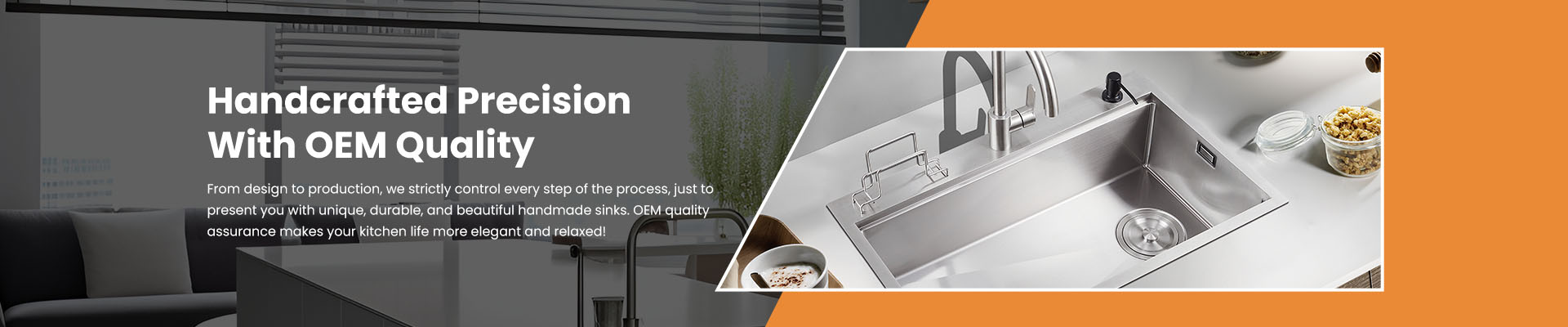
Yes, many scratches in a Stainless Steel Sink can be reduced significantly, and some can be removed visually, but the result depends on the scratch depth, the sink’s finish, and how consistently you blend the grain direction. stainless steel sinks do not behave like coated surfaces where you can simply polish back to a perfect factory finish every time. Instead, the goal is usually to blend scratches so they become less visible and the surface looks uniform again. Light surface marks from daily use are the easiest to improve. Deep gouges can often be softened, but they may not disappear completely without changing the surrounding finish.
This guide explains which scratches are fixable, how to treat them safely, what tools work best, and how to prevent future scratching without overcomplicating daily care. It is written around OUWAYS sink users and buyers, with product reference to stainless steel sink.
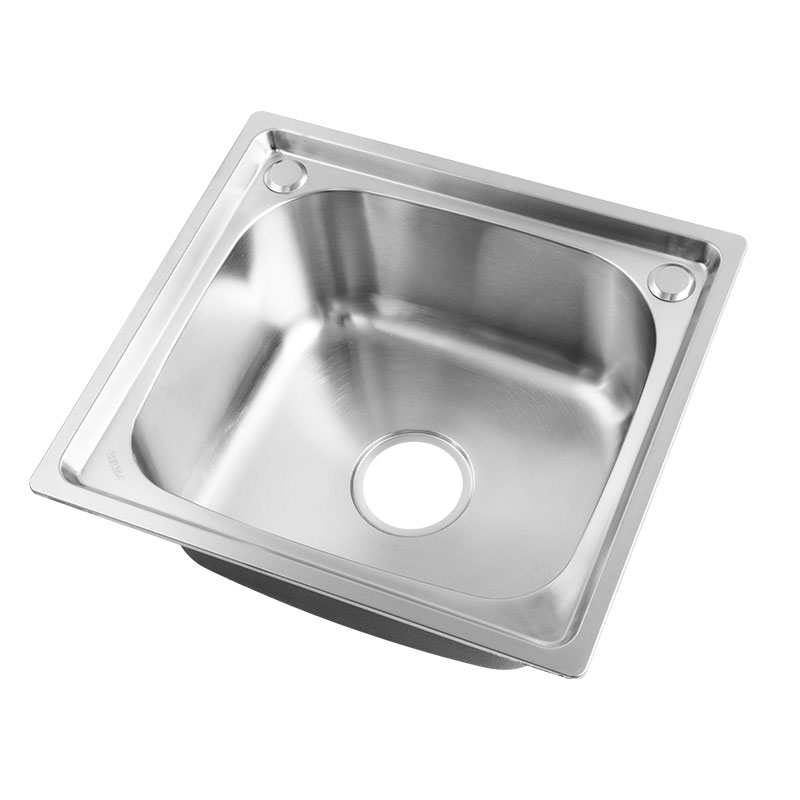
Stainless steel is durable, but it is not scratch-proof. The surface finish is a controlled texture, and any metal utensil, grit, ceramic dish base, or sliding cookware can mark that texture. Many of these marks are not deep cuts. They are micro-abrasions that catch light differently, which is why they look like scratches. The good news is that stainless steel does not chip like enamel coatings, and most surface marks can be blended so the sink returns to a more even appearance.
A realistic expectation helps. You are usually restoring uniformity, not creating a brand-new mirror finish.
The first step is to classify what you are seeing, because the wrong method can make the surface look worse.
Surface scuffs and metal marks
These often come from cookware or utensils leaving a gray transfer mark rather than cutting into the steel. They usually come off with gentle cleaning and do not require abrasion.
Light scratches that follow the sink grain
These are shallow and often blend well with mild abrasive pads or stainless steel cleaning powders when used in the correct direction.
Cross-grain scratches
These are more visible because they cut across the factory grain pattern. They can still be blended, but you must realign the finish by working only in the grain direction.
Deep scratches and gouges
These are physical cuts. You can reduce sharp edges and visibility, but full removal may require heavier abrasive steps that can change the finish area if not controlled.
If you are unsure, start with the gentlest method and increase intensity only when needed.
Most stainless steel sinks have a directional grain. If you scrub in circles or across the grain, you create a new pattern that reflects light unevenly and makes the sink look patchy. Even when using a mild abrasive, the motion direction is what determines the final look.
Before you begin, identify the grain direction by looking at how the light reflects. On many sinks, the grain runs from front to back. Your repair strokes should follow the same direction.
Many marks that look like scratches are actually residue. Clean first, then reassess.
Use mild dish soap and warm water, then wipe dry with a soft cloth. If marks remain, use a non-abrasive stainless steel cleaner and rinse thoroughly. Dry again to see the true scratch pattern. Water spots can hide or exaggerate scratch visibility.
If the mark remains after cleaning, it is likely a scratch or micro-abrasion.
For light scratches, a non-woven pad designed for stainless steel can help blend the surface. Use light pressure and move only with the grain. Work in a wider area around the scratch so the blending transitions smoothly. Narrow spot-scrubbing often creates a brighter patch that looks like a repair mark.
Cross-grain scratches are visible because they interrupt the finish lines.
To blend them, you need to gently abrade with the grain across the scratch zone and beyond it, so the overall surface reflection becomes consistent again. The key is patience and controlled pressure. Too much pressure concentrates abrasion in one spot and creates a shiny stripe.
For deeper scratches, you can often reduce the sharpness and visibility, but you must accept that aggressive abrasion can alter the finish.
If the scratch catches a fingernail, it is deep enough that complete removal may require multiple abrasive stages. In that case, the safest approach for most users is to soften the scratch and then blend the area, rather than trying to grind it flat. Overworking one location can create a noticeable repair area.
If the sink is part of a premium kitchen presentation, many users choose to blend only lightly and then rely on normal use to make the finish uniform over time, because stainless steel naturally develops a consistent patina.
Certain actions can permanently change the look of the sink or create corrosion risks.
Do not use circular polishing on a brushed sink finish
Circular motion changes the finish pattern and makes the repair area stand out.
Do not use harsh steel wool
Some steel wool can leave embedded particles that may rust and create orange spots later.
Do not use strong chlorine bleach as a scratch solution
Bleach is not a scratch remover and can cause surface discoloration if misused.
Do not jump directly to aggressive abrasives
Starting too harsh makes it harder to match the original finish and increases the chance of visible patchiness.
A controlled approach keeps the sink looking uniform.
| Scratch severity | What it usually is | Best approach | Expected result |
|---|---|---|---|
| Looks like a scratch but wipes darker | Metal transfer mark | Mild cleaning and rinse, dry fully | Often fully removed |
| Fine hairline scratch | Micro-abrasion | Gentle pad with grain, light pressure | Blends to low visibility |
| Cross-grain line | Scratch across finish | Blend with grain across wider zone | Reduced contrast, more uniform look |
| Deep gouge | Physical cut | Soften edge, blend lightly, avoid overworking | Visibility reduced, may remain faintly |
This helps you choose a realistic method and avoid unnecessary surface changes.
Stainless steel sinks are built for use, but small habits reduce scratch buildup and preserve the original look longer.
Rinse out grit before placing cookware
Grit and sand-like debris cause more scratching than smooth metal.
Use a sink grid or protective bottom rack
This reduces sliding contact from pots and pans and helps maintain the finish in high-use zones.
Avoid storing heavy cookware inside the sink for long periods
Repeated movement during washing tends to create concentrated wear patterns.
Dry the sink after heavy use when possible
Drying reduces water spots, which makes the finish look cleaner and helps scratches appear less obvious.
OUWAYS supports buyers looking for stainless steel sinks that maintain an attractive appearance over time through balanced design and practical user-oriented finish options. You can explore OUWAYS products here: stainless steel sink.
Scratch management is easier when the sink surface is designed for real kitchens. A well-made stainless steel sink with a consistent finish helps scratches blend naturally as the sink develops a uniform patina. OUWAYS focuses on stainless steel sink solutions that support daily use, offering a range of sink styles and configurations that suit different kitchen layouts and buyer requirements.
If you are sourcing for retail or projects, you can review available options and request details through stainless steel sink.
You can reduce and often visually remove scratches from a stainless steel sink, especially light scratches and scuffs, by cleaning first and then blending carefully with the grain using controlled, gentle abrasion. The most important factors are scratch depth, finish type, and maintaining a uniform grain pattern. With the right method and realistic expectations, most sinks can be restored to a cleaner, more even appearance without damaging the overall finish.
For stainless steel sink options designed for everyday durability and practical maintenance, explore OUWAYS here: stainless steel sink.