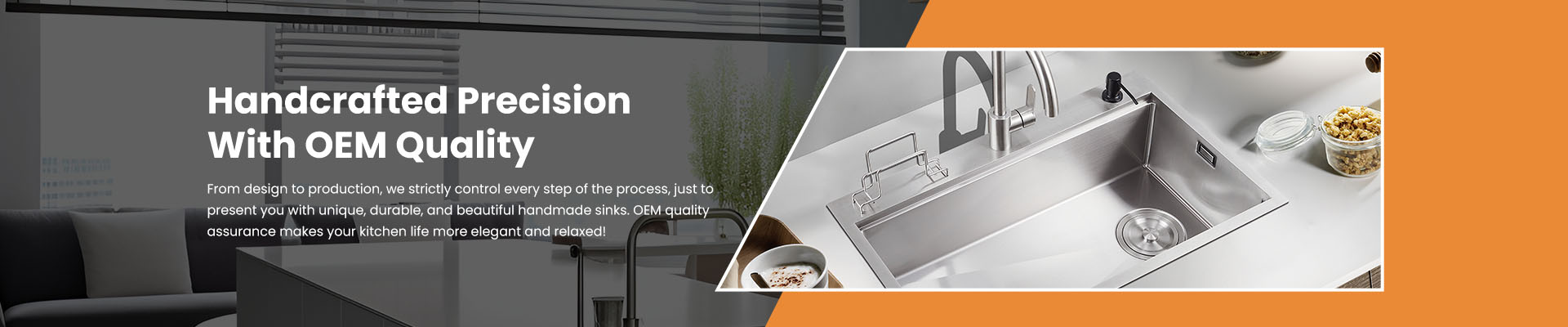
A stainless steel Handmade Sink is chosen for one simple reason: it combines a clean modern look with a construction style that prioritizes structural precision, edge detail, and long-term practicality. Compared with many mass-produced sinks, a handmade sink is built around controlled forming and finishing steps that make it easier to deliver sharp lines, deeper bowls, and tighter corner radii that match contemporary kitchen design. For homeowners, designers, and project buyers, this usually translates into a sink that looks more architectural, installs more cleanly, and feels more solid in daily use.
This article explains what makes a handmade Stainless Steel Sink different, what performance benefits it brings in real kitchens, and what to check if you want a sink that stays stable, easy to maintain, and visually consistent for years. If you need to learn more about product styles and configurations, please browse our stainless steel handmade sink.
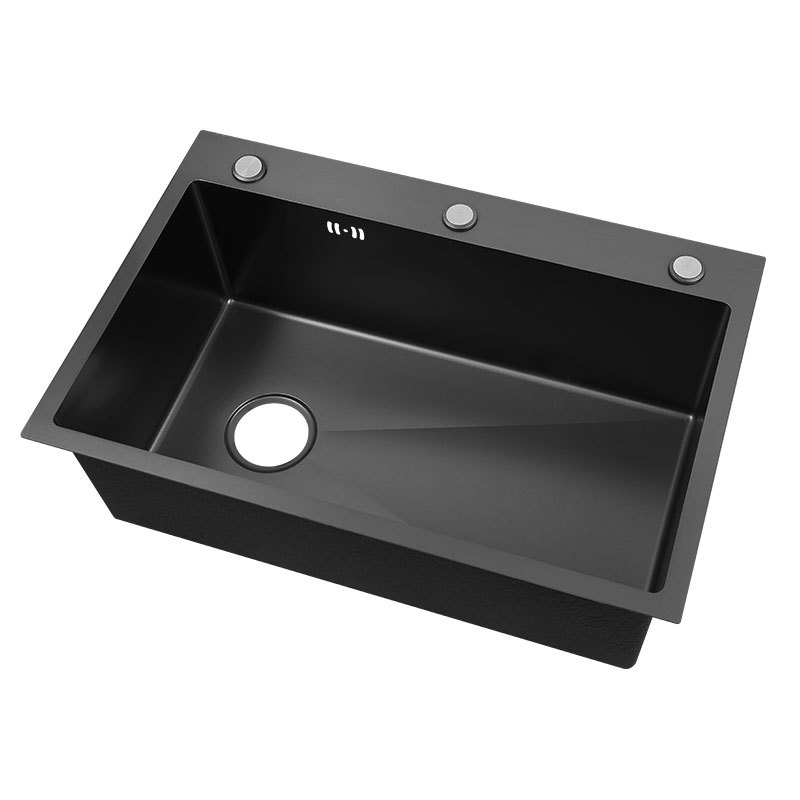
Handmade does not mean rough or inconsistent. In the sink industry, handmade typically refers to sinks formed from stainless steel sheets and built through controlled fabrication steps that focus on geometry, seams, and surface finishing. The goal is not decoration. The goal is accuracy and repeatability in the parts that influence daily use: bowl depth, corner shape, drain alignment, and rim flatness.
In practical terms, handmade construction is most noticeable in three areas:
Crisp shapes and modern proportions, including straight sidewalls and defined edges
Deeper, more functional bowl designs that support large cookware
Cleaner integration with countertop cutouts and installation methods
Many buyers choose handmade sinks because they want the sink to look like a deliberate design feature, not a standard commodity component.
Stainless steel remains one of the most common sink materials for a reason. It performs well in kitchens where water, heat, and cleaning are daily realities. When paired with handmade construction, stainless steel offers a balanced combination of strength, hygiene, and style flexibility.
Key reasons stainless steel works well for handmade sinks include:
Corrosion resistance in normal kitchen environments
Kitchen sinks face detergents, food acids, and moisture every day. Stainless steel is widely valued because it resists rust and staining under typical household conditions when properly maintained.
Heat tolerance for hot cookware and boiling water use
A sink is routinely exposed to temperature swings. Stainless steel handles heat exposure without the cracking risk that can occur in more brittle materials.
Cleanability and hygiene
A smooth stainless surface supports simple cleaning routines. It does not require special sealers, and it is compatible with common kitchen cleaning products when used correctly.
Design compatibility
Stainless steel pairs naturally with modern appliances, countertops, and minimalist kitchen layouts. It works with a wide range of finishes and cabinet colors, making it a stable long-term choice even when other elements of the kitchen change.
The most visible advantage of a handmade sink is geometry. How the bowl is shaped affects everything from splash control to usable space and cleaning effort.
Many handmade stainless steel sinks are designed with deeper bowls, giving more capacity for soaking pots, washing baking trays, and handling large utensils without water spilling easily. A deeper bowl can also help keep water and foam contained during high-volume washing sessions.
Modern kitchens often prefer tighter corners for a sharper visual. Handmade construction can support more defined corners than many common molded designs. Corner radius choices matter because tighter corners look cleaner and more modern, while slightly larger radii can be easier to wipe down. A well-designed handmade sink offers a corner solution that matches both the kitchen style and cleaning preference.
Some sinks lose functional volume because sidewalls slope too heavily. Straighter sidewalls increase usable space at the bottom of the bowl, making it easier to place pans flat and stack dishes efficiently.
A sink may look similar in photos but feel very different after installation. Stability is influenced by multiple construction details, many of which are easier to control in handmade sinks.
Rim flatness and installation fit
A stable rim helps the sink sit correctly against the countertop and reduces the risk of gaps that trap water. Better fit can also simplify sealing work, helping the installation stay clean-looking over time.
Welding and seam finishing
Handmade sinks commonly involve seam work that must be finished carefully. A clean seam finish supports both aesthetics and cleaning, because rough transitions can collect residue and become harder to wipe.
Sound and vibration control potential
Stainless steel sinks can create noise when water hits the bowl or dishes clink. Many quality handmade sinks incorporate undercoating and pad strategies to reduce sound and vibration. A quieter sink often feels more premium in daily use and is especially appreciated in open-plan kitchens.
Load handling for heavy cookware
Kitchen sinks support high weight loads during use. A robust bowl structure helps maintain confidence when handling cast iron cookware, large stockpots, or stacked dishes.
Handmade stainless steel sinks are popular across several installation styles because their geometry and edges can align well with modern countertop design.
Undermount
Undermount installations highlight countertop surfaces and make wiping crumbs directly into the sink easier. Handmade sinks are often chosen for undermount kitchens because the bowl geometry looks clean from above and the edge transitions can be well controlled.
Topmount
Topmount remains practical for many remodeling projects and budget-controlled installations. A well-made handmade sink can still deliver a modern look with a clean rim design.
Farmhouse and apron-front styling
Apron-front aesthetics have remained popular for years because they create a focal point and reduce reach distance into the bowl. Handmade stainless steel options in this category appeal to buyers who want the farmhouse look with stainless steel practicality.
Workstation features
Many modern users want integrated accessories such as ledges for cutting boards, colanders, and drying racks. Handmade sink construction supports more precise ledge geometry, which helps accessories fit correctly and feel stable.
A simple selection guide can help clarify which direction fits different kitchens:
| Kitchen Need | Sink Feature That Helps | What It Improves in Daily Use |
|---|---|---|
| Washing large pots and trays | Deep single bowl, straight sidewalls | More capacity, less splashing |
| Keeping the countertop visually clean | Undermount installation, clean rim geometry | Easier wipe-in cleanup, modern look |
| Multi-tasking at the sink | Workstation ledges and accessory fit | Faster prep, better organization |
| Remodeling without countertop changes | Topmount compatibility | Easier replacement planning |
| Creating a focal point | Apron-front design | Strong visual presence, comfort |
Stainless steel is practical, but appearance longevity depends on realistic expectations and correct care. The goal is not to prevent every micro-scratch. The goal is to maintain a uniform, clean-looking surface that performs well.
What to expect
All stainless steel sinks will show some signs of use over time. Light surface marks are normal in active kitchens, especially if cookware is dragged across the bowl. Many users prefer brushed finishes because they help blend minor marks into a consistent texture.
Cleaning habits that protect the surface
Most day-to-day cleaning can be handled with mild soap and water, followed by a rinse and dry to reduce water spot buildup. When deeper cleaning is needed, non-abrasive methods typically preserve finish consistency better than harsh scouring.
Hard water considerations
In hard water areas, mineral spots can appear if water dries on the surface. Drying the sink after heavy use helps reduce spotting. This is a habit-based solution, not a material limitation.
A well-made handmade sink is designed to remain easy to clean because edges, seams, and transitions are finished to reduce places where residue can hide.
Buyers choose handmade sinks because they want modern geometry, consistent finishing, and a product that supports real kitchen workflows. OUWAYS focuses on delivering handmade stainless steel sinks that balance design detail with practical durability, so the sink performs well long after installation.
What this means in real terms is a product approach that emphasizes:
Clean geometry and modern bowl proportions for everyday usability
Finishing control that supports a consistent look across projects
Construction stability that supports confidence with heavy cookware and high-use kitchens
Options that fit common installation types and kitchen layout preferences
If you need to explore available bowl types, installation styles, and workstation-compatible options, please browse our stainless steel handmade sink page.
A Stainless Steel Handmade Sink is chosen for the combination of modern geometry, practical durability, and daily usability. Handmade construction supports cleaner lines, deeper bowls, and more precise edge and corner details, while stainless steel delivers a kitchen-ready surface that handles moisture, heat, and routine cleaning. When these factors come together, the result is a sink that looks intentional in a modern kitchen and stays dependable through years of real use.
If you need to learn more about styles, configurations, and options, please browse our stainless steel handmade sink page.