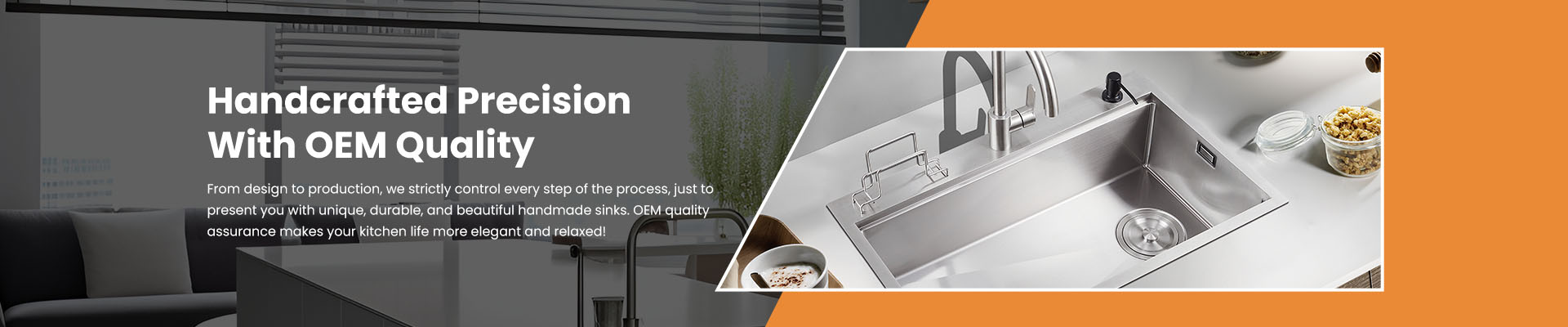
Square-corner Handmade Sinks are popular because they create crisp lines, a modern silhouette, and a more architectural look on the countertop. The concern many buyers have is also practical: do sharp-looking corners trap residue and make cleaning harder than a rounded sink? The honest answer is that square-corner sinks can be slightly more demanding than large-radius bowls, but they are not inherently difficult to keep clean when the corner design, finish, and daily routine are matched correctly. What matters is the corner radius used in the handmade sink, the way the bottom slopes toward the drain, and whether the surface finishing and seam transitions reduce places where grime can cling.
This guide breaks down what square corners really mean in handmade Stainless Steel Sinks, when they are easy to maintain, when they may require extra attention, and how to choose a corner style that fits your cleaning habits and kitchen workflow. If you need to learn more about configurations and corner options, please browse our handmade sink page.
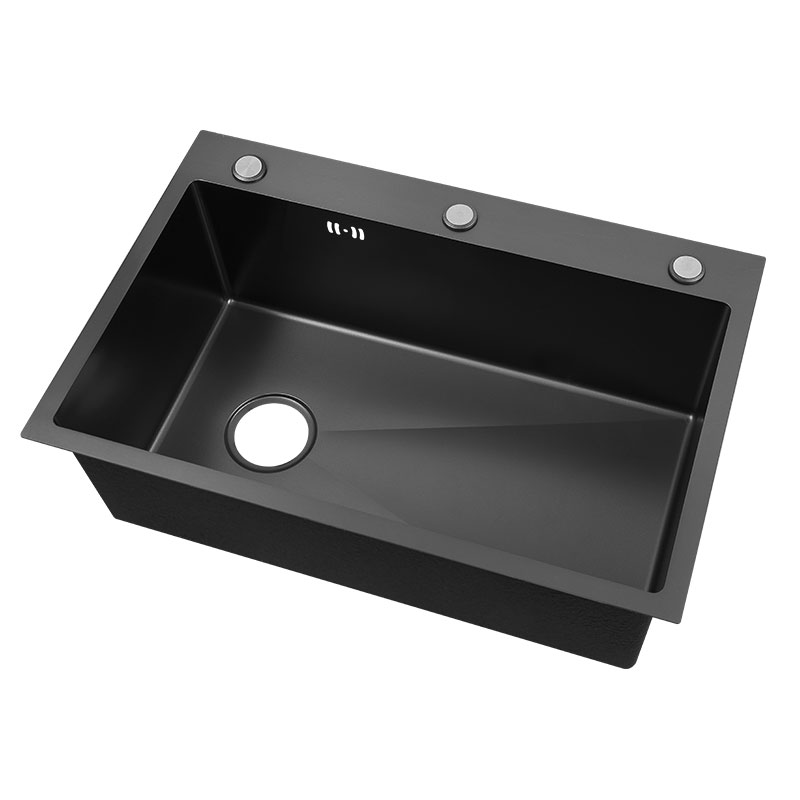
In most handmade sinks, square corners are not a perfect 90-degree sharp interior edge. Instead, they typically refer to a tighter inside corner radius compared with traditional rounded bowls. This is an important distinction because a true sharp interior corner would be impractical for fabrication, cleaning, and long-term hygiene. Modern handmade sinks usually use a small radius that keeps the visual effect of a square look while still allowing a sponge or cloth to reach into the corner.
A square-corner appearance is usually achieved through:
Straighter sidewalls that meet the bottom with a smaller curve
Defined lines that reduce the visual softness of the bowl
Corner geometry that supports a modern, minimal layout
The result is a sink that looks cleaner and more contemporary, especially in undermount installations where the bowl shape is clearly visible.
The cleaning difficulty is not about the corner being square in appearance. It is about how residue behaves when water flow and wiping tools interact with that geometry.
Square-corner sinks can feel harder to clean when:
Food particles and grease settle into the tight curve at the corner
Soap film accumulates where the wall meets the bottom
Cleaning tools are too bulky to press into the corner properly
Water drainage leaves small puddles near corners, allowing mineral spots to form
A large-radius bowl naturally allows wiping in broad arcs, and water tends to move more freely around curves. A tight-radius corner creates a smaller area where residue can collect if the sink is not rinsed or wiped consistently. For many kitchens, this is not a major burden, but it is a real difference in how the sink should be maintained.
If two sinks both look square from a distance, they can still clean very differently. Corner radius and finish are the two biggest practical factors.
A tighter corner radius supports a more modern look and can increase usable bottom space because the bowl bottom feels squarer. The tradeoff is that the last few millimeters at the corner may require a more deliberate wipe rather than a quick circular motion. In real use, this usually means spending a few extra seconds during cleaning, not adding a complicated routine.
Most Stainless Steel Handmade Sinks use brushed or satin finishes that help mask micro-scratches and maintain a uniform appearance over time. A consistent finish also affects cleaning because residue tends to release more predictably on uniform surfaces. A rough or inconsistent finish can trap grime more easily, especially in corners where scrubbing pressure concentrates.
From a maintenance standpoint, the best square-corner experience comes from combining a practical corner radius with a consistent surface finish and clean transitions at seams and edges.
Square-corner sinks do not require special products. They benefit from correct technique and a few simple habits that prevent buildup from becoming stubborn.
The most effective approach is to avoid letting grease, coffee, tea, or starchy water dry in the bowl. A quick rinse and wipe prevents most corner buildup before it forms.
A practical daily routine:
Rinse the bowl after heavy prep or dishwashing
Use a soft sponge or cloth to wipe along the grain
Give corners a focused wipe with the edge of the sponge
Rinse again and let drain, or dry in hard-water areas
This routine is short, but it keeps corners from becoming the place where residue collects repeatedly.
If soap film or mineral spots appear, a gentle cleaner and a non-abrasive pad can restore the look without damaging the grain. The key is to clean along the grain, especially on the bottom plane where light reflections make marks more visible.
Corner-friendly tools that help:
A small soft brush for corner seams and drain area
A microfiber cloth for final wipe-down
A non-abrasive sponge edge to reach the tight radius
Avoiding aggressive abrasive powders is important because they can create cloudy patches that look worse than normal use marks, especially around corners where scrubbing pressure is strongest.
Corner choice is not only about cleaning. It also influences how the sink feels during cooking and cleanup.
Here is a practical comparison that buyers often find useful:
| Corner Style | Cleaning Feel | Visual Style | Usable Bowl Space | Best Fit For |
|---|---|---|---|---|
| Tight-radius square look | Slightly more focused wiping in corners | Modern, architectural | Often feels maximized | Contemporary kitchens, undermount designs, workstation setups |
| Medium-radius corners | Easy to wipe with standard sponge motions | Modern-classic balance | Efficient use of space | Most households, mixed styles, daily heavy use |
| Large-radius rounded corners | Fastest to wipe, least corner buildup | Softer, traditional | Slightly reduced bottom squareness | Buyers prioritizing quickest cleaning and minimal detail wiping |
No option is universally better. The right choice depends on whether the kitchen values a crisp modern look, maximum bowl footprint, or the fastest possible wipe-down.
When a square-corner handmade sink is engineered well, cleaning becomes much more straightforward. Buyers can evaluate several features that directly impact corner maintenance.
Corners should feel smooth to the touch. Rough transitions create micro ledges that catch residue. A clean seam finish supports hygiene and makes wiping more effective.
Standing water is one of the main causes of mineral spotting and corner haze. A properly sloped bottom helps water move toward the drain, reducing puddling near corners.
Deeper bowls reduce splash and help keep debris contained, which can lower residue spread into corners and rim areas.
Bottom grids and workstation accessories can reduce metal-to-metal rubbing and keep heavy cookware from constantly sliding across the bottom plane. This does not directly change corner geometry, but it helps keep the entire bowl cleaner and reduces scuff patterns that can make residue more noticeable.
For buyers who want the square-corner look with minimal maintenance friction, focusing on these structural details often matters more than choosing between tiny differences in radius.
Square-corner sinks are chosen because they elevate the kitchen visually, but long-term satisfaction depends on whether the sink stays easy to live with. OUWAYS focuses on handmade sink construction that balances modern geometry with practical usability, including corner designs intended to remain wipe-friendly in daily use. The goal is to deliver a sink that looks sharp on day one and still feels manageable after years of cooking, rinsing, and cleaning.
OUWAYS handmade sink options also support different kitchen styles and user habits, so a project can choose:
A corner look that matches the modern design direction
A surface finish that stays consistent with everyday wear
Configurations that fit undermount or other common installations
Practical layouts that support real cooking workflows
If you need to review available styles and corner options, please browse our handmade sink page.
Square corners in a handmade stainless steel sink are not automatically hard to clean. They can require slightly more focused wiping than large-radius bowls, mainly because tight corners provide a smaller area where residue and soap film can collect. In practice, cleaning difficulty is determined by corner radius, finish consistency, seam smoothness, and drainage slope more than by the square look itself. With a simple rinse-and-wipe routine and corner-friendly tools, square-corner sinks remain easy to maintain while delivering the crisp modern style many kitchens want. If you want to explore corner styles and configurations designed for modern kitchens, please browse our handmade sink page.