
What is good to clean Stainless Steel Sinks depends on the type of mess you are dealing with and how you want the finish to look after cleaning. Stainless steel is durable, but it can still develop water spots, cloudy film, fingerprints, grease haze, or rust-colored marks from surface contamination. The best approach is to use the mildest cleaner that solves the problem, combine it with correct tools, and finish with a rinse-and-dry step to prevent residue from returning.
This guide explains what works well for daily care, deep cleaning, and stain removal, plus what to avoid so your sink keeps its original appearance. Product reference for sink styles and finishes is available in the OUWAYS stainless steel sink collection.
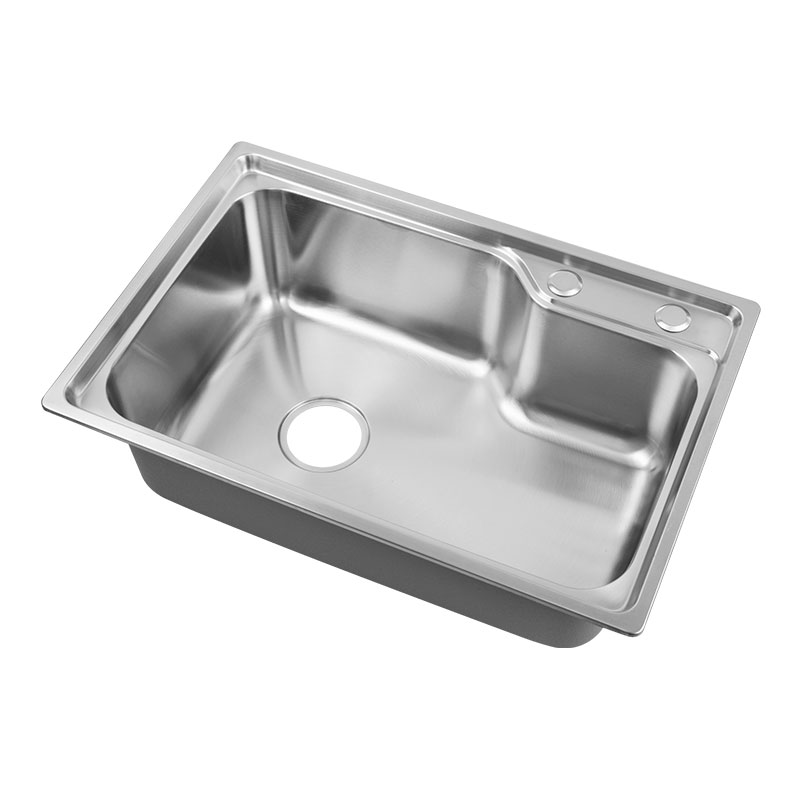
For normal day-to-day kitchen use, a simple routine with gentle products is not only effective, it is also the best way to prevent the need for aggressive scrubbing later.
A pH-neutral dish soap with warm water is a strong baseline because it lifts food residue and light grease without reacting with stainless steel. The most important factor is how you apply it. Use a soft sponge or microfiber cloth, wipe along the grain, and rinse completely. stainless steel sinks often look dull not from damage but from leftover detergent film. Rinsing removes the film, and drying prevents minerals from hard water from forming spots as water evaporates.
If your sink shows frequent fingerprints or a light oily haze, a mild degreasing step is helpful. You can use a small amount of dish soap in slightly warmer water and wipe the sink walls and bottom with slow strokes following the grain. Avoid adding stronger chemicals too early. In many cases, the haze is a combination of oil and soap residue that clears after a second wash and a full rinse.
For daily cleaning in high-use environments, the most effective habit is the end-of-day dry wipe. When water is allowed to air-dry, minerals remain on the surface and gradually form haze. A microfiber towel removes both water and the minerals dissolved in it, keeping the steel brighter with less effort.
When the sink needs more than soap, choose the cleaner based on what you see.
For greasy buildup and cloudy film, baking soda paste is a practical option. Baking soda is a mild abrasive that can lift stuck-on film without the harsh scratching that comes from many scouring powders. Mix baking soda with a small amount of water to form a paste, apply it with a damp cloth, and rub gently with the grain. Rinse thoroughly and dry. The rinse step matters because fine powder left behind can re-create a dull look when it mixes with water again.
For hard water spots and mineral haze, diluted white vinegar or a citric-acid solution is often the most effective. Minerals do not dissolve well in soap, so an acid-based step is necessary when you see chalky deposits or a cloudy ring around the drain area. Apply the diluted solution to the affected area, allow a short contact time, wipe gently, then rinse completely and dry. The goal is controlled contact, not long soaking. Repeating a mild treatment is safer than using a very strong solution.
For stubborn water marks that return quickly, the issue is often a rinse-and-dry gap rather than the cleaner itself. After cleaning, rinse until the surface feels squeaky clean, then dry with a microfiber cloth. This removes both the cleaner and the dissolved minerals that can re-deposit.
If you use sink grids or bottom racks, lift them during cleaning. Moisture trapped underneath can build mineral film and create uneven appearance. Cleaning the sink without removing accessories often leaves the most visible haze untouched.
The right tools are as important as the cleaner. Stainless steel finishes can be brushed or satin, and visible scratch patterns usually come from the cleaning tool, not from normal use.
Soft microfiber cloths are ideal for wiping and drying because they remove residue without scratching. Soft sponges work well for daily washing. For deeper cleaning, use a non-scratch pad that is designed for stainless steel or delicate surfaces. Always scrub with the grain. Scrubbing across the grain tends to create swirls that reflect light differently and make the sink look older.
Avoid steel wool and metal brushes. Steel wool can leave behind tiny iron particles that later rust, creating orange marks that look like the sink is corroding. These marks are usually surface contamination, but they are inconvenient and often mistaken for material defects.
Avoid harsh scouring powders, especially those that feel gritty. Coarse abrasives can flatten the brushing pattern and create a dull, uneven finish. If you need abrasion, baking soda is usually the safer first step because its particles are much gentler.
Also avoid mixing different cleaners. Mixing acids and bleach, for example, can create dangerous fumes and can also damage surfaces. Use one method, rinse fully, then switch to another only if necessary.
Use the table below as a quick reference for what is good to clean stainless steel sinks, based on the specific problem you want to solve.
| Sink Condition | What Is Good To Use | How To Apply For Best Results | What To Avoid |
|---|---|---|---|
| Daily food residue | Dish soap and warm water | Wipe with soft sponge, rinse fully, dry | Letting soap film air-dry |
| Greasy haze or cloudy film | Baking soda paste | Gentle rub with grain, rinse, dry | Gritty scouring powders |
| Water spots and mineral haze | Diluted vinegar or citric solution | Short contact, wipe, rinse, dry | Long soaking with strong acids |
| Stains from beverages or food dye | Mild oxygen-based cleaner | Spot test, brief use, rinse thoroughly | Chlorine bleach |
| Rust-colored surface marks | Non-scratch pad plus mild cleaner | Remove contamination, rinse, dry | Steel wool and wire brushes |
| Odor or grime around drain | Sink-safe cleaner and soft brush | Clean drain edge, rinse well | Mixing multiple chemicals |
If you consistently see rust-colored marks, review your tools and nearby metal items. Cast-iron cookware, steel wool pads, or metal shavings from maintenance work can deposit iron particles onto the sink surface.
What is good to clean stainless steel sinks is usually simple and practical: dish soap for everyday cleaning, baking soda paste for grease film, and diluted vinegar or citric solutions for mineral haze and water spots. Combine these with the right tools, clean with the grain, rinse thoroughly, and dry to prevent residue from returning. This routine protects the finish and keeps the sink looking consistent over the long term.
If you have questions about cleaning methods, finish care, hard water maintenance, or choosing the right sink for your project, you can reach out to us anytime. OUWAYS provides guidance support and practical care recommendations for our stainless steel sink products, and we are glad to help you match the right maintenance routine to your usage conditions.