
A Stainless Steel Sink is designed to handle daily washing, temperature changes, and constant contact with water, but the surface still needs the right cleaning approach to stay bright and easy to maintain. Many “sink problems” are not damage to the steel itself. They are usually surface buildup: soap film, mineral scale, grease residue, or iron deposits from water and cookware that sit on top of the protective layer of the steel. When you use the right cleaner and the right technique, you remove the buildup without scratching the finish or dulling the grain.
This guide explains what works best to clean a stainless steel sink, what to avoid, and how to build a simple routine that prevents stains and keeps the sink looking consistent. If you want to compare sink finishes and construction options, browse our OUWAYS stainless steel sinks.
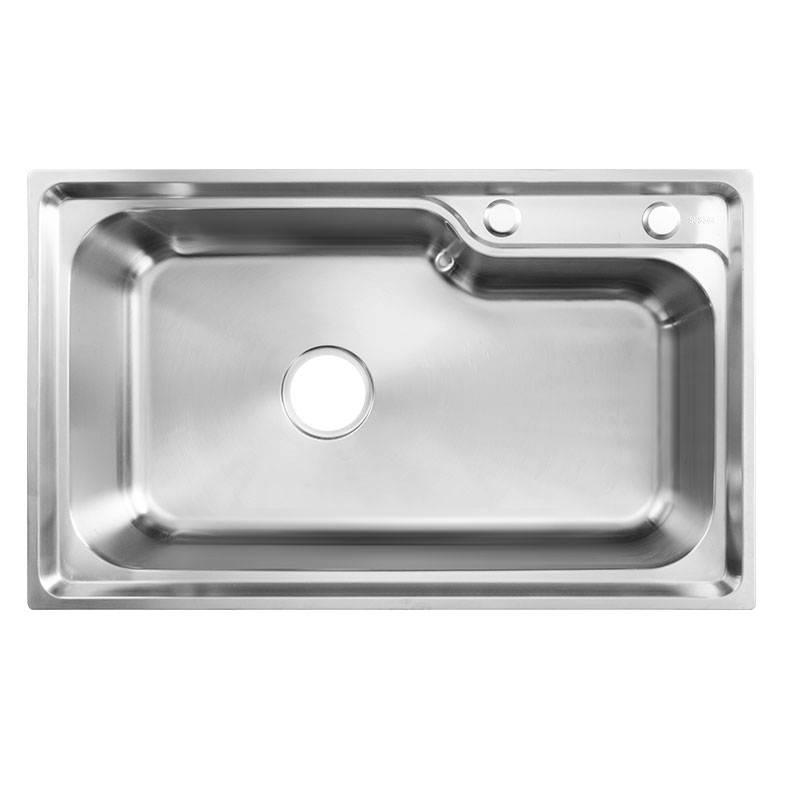
Stainless steel resists rust because it forms a thin protective layer on the surface. When the sink looks cloudy, streaky, or stained, it is typically because something is covering that layer. Hard water leaves mineral spots. Dish soap creates a film that holds dirt. Grease binds to the surface and traps dust. If you clean only with water, the sink may look “clean” but still appear gray because the film remains.
The best cleaning approach is one that removes film and minerals while staying gentle enough to protect the finish.
For daily cleaning, the best option is usually a mild dish soap with warm water, followed by a thorough rinse and a dry wipe. This routine removes fresh residue before it bonds to the surface.
A reliable daily method:
Rinse the sink to remove loose debris.
Use a soft sponge with a few drops of mild dish soap.
Wipe along the grain of the steel, not across it.
Rinse completely so soap does not dry into a film.
Dry with a microfiber cloth to prevent water spots.
This simple routine is often enough to keep a sink looking new, especially when you dry it after use.
When the sink has cloudy buildup, light staining, or persistent dullness, a gentle abrasive cleaner is often the most effective. The goal is to lift residue without scratching.
Common deep-clean options that work well:
Baking soda paste with water for film and light stains
Non-scratch cream cleanser designed for stainless steel surfaces
A soft nylon scrub pad used carefully with light pressure
Deep-clean steps:
Wet the sink surface.
Sprinkle baking soda lightly or apply a non-scratch cleanser.
Scrub gently along the grain until the haze lifts.
Rinse thoroughly and wipe dry.
If you see improvement but some dull areas remain, repeat lightly rather than scrubbing harder. Pressure is what causes most avoidable surface marks.
Hard water spots are mineral deposits, so soap alone may not remove them. A mild acid solution is usually the best choice.
Effective options:
White vinegar diluted with water
Citric acid solution for heavier scale
A stainless steel-safe descaler used according to instructions
How to treat mineral spots:
Apply vinegar solution to a cloth and lay it over spot areas for a short contact time.
Wipe along the grain to lift the deposits.
Rinse thoroughly and dry immediately.
If your water is very hard, preventing spots by drying the sink after use will make a bigger difference than any cleaner.
Grease and oil can create a dull smear that looks worse after wiping. The best approach is to use a degreasing step, then rinse well.
Practical method:
Use warm water and dish soap first to break oils.
For heavy grease, add a small amount of kitchen degreaser that is safe for stainless steel.
Rinse longer than you think you need.
Dry with microfiber to eliminate streaking.
If streaks remain, it is usually leftover cleaner, not the steel. A final rinse and dry wipe fixes most streak issues.
Some cleaners “work fast” because they are harsh, but they can damage the appearance over time or cause corrosion risks if left on the surface.
Avoid:
Steel wool and aggressive scouring pads that scratch the grain
Chlorine bleach left sitting on the surface
Cleaners with chloride salts used repeatedly without rinsing
Oven cleaners or heavy-duty acids not labeled safe for stainless steel
Abrasive powders that are not marked non-scratch
If you must disinfect, choose a stainless steel-safe method and rinse thoroughly. Disinfection should not become daily overuse of harsh chemicals.
Clean is not the same as “finished.” The best-looking sinks are rinsed and dried so residue does not re-form.
A simple finishing routine:
Rinse fully to remove cleaner.
Dry with a microfiber cloth along the grain.
Optional: apply a tiny amount of food-grade mineral oil on a cloth and wipe a very thin layer for extra shine, then buff off excess.
If you use oil, keep it light. Too much attracts dust and can feel greasy.
A weekly routine prevents stains from becoming “permanent-looking” and reduces the need for heavy scrubbing.
Suggested weekly plan:
Deep clean with baking soda or non-scratch cleanser.
Treat any mineral spots with a vinegar wipe.
Clean the drain area and around the rim where film builds.
Rinse and dry thoroughly.
This routine takes little time and preserves the finish, especially in busy kitchens or rental properties.
| Cleaning Need | Best Option | Why It Works | Finish Tip |
|---|---|---|---|
| Daily residue | Mild dish soap | Lifts fresh oils and food film | Rinse and dry to prevent haze |
| Cloudy film | Baking soda or non-scratch cleanser | Removes bonded residue gently | Scrub along the grain |
| Hard water spots | Vinegar or citric solution | Dissolves mineral deposits | Do not let it dry on the sink |
| Grease smears | Soap plus light degreasing step | Breaks oil layer | Extra rinse reduces streaks |
| Light discoloration | Gentle abrasive plus rinse | Lifts surface staining | Repeat lightly instead of pressing harder |
If the sink still looks uneven after proper cleaning, the issue may be:
Scratches from prior abrasive pads that changed the grain pattern
Heat marks or chemical contact that altered surface appearance
Iron deposits that need a targeted rust-removal product that is stainless steel-safe
In these cases, the best solution is often grain-consistent polishing and prevention. For projects that require a specific finish appearance, selecting the right surface treatment at the start also matters.
The best way to clean a stainless steel sink is a combination of the right cleaner and the right habits. For daily care, mild dish soap, a soft sponge, a thorough rinse, and a dry wipe prevent most dullness. For deeper cleaning, baking soda or a non-scratch cleanser removes film without damaging the finish. For hard water spots, a mild acid like vinegar dissolves minerals quickly when followed by a full rinse and dry. Avoid harsh abrasives and bleach contact time, and always work along the grain for the cleanest look.
To learn more about sink materials, finishes, and installation formats, browse our OUWAYS stainless steel sinks. If you are sourcing for a project and want guidance on finish selection, gauge, and maintenance expectations, contact OUWAYS. We provide practical support and can also discuss OEM or ODM options to match your specification and volume plan.