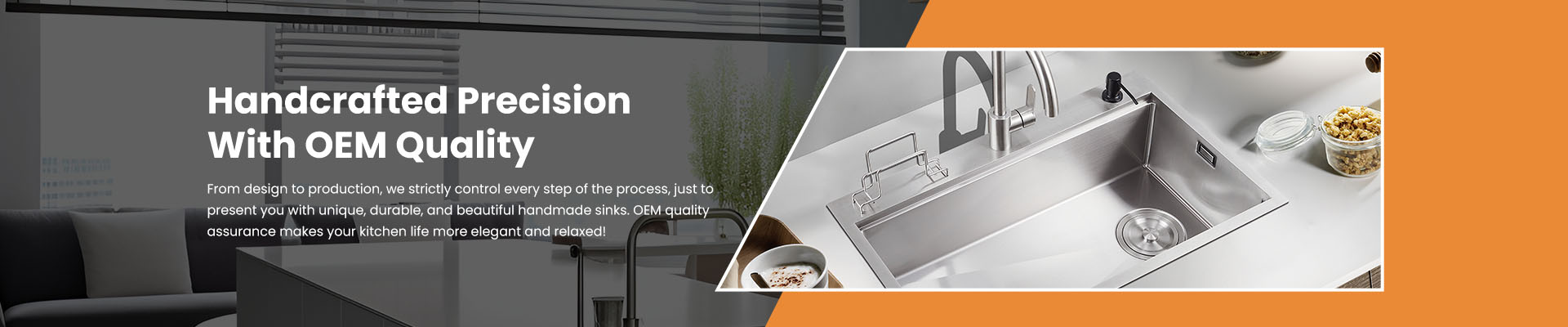
Yes, Stainless Steel Sinks can scratch. Stainless steel is durable and corrosion-resistant, but it is still a working surface that comes into contact with cookware, utensils, abrasive food particles, and cleaning tools every day. What matters is the type of scratching you should expect, how visible it will be on your sink finish, and what habits reduce deep marks while keeping the sink practical to use.
Most “scratches” people notice early are fine surface lines that blend into the brushed grain over time. Deep scratches are less common and usually come from a few high-impact causes such as dragging heavy cast iron, scrubbing with aggressive pads, or rubbing grit across the bottom. To compare sink finishes and build options designed for daily use, browse OUWAYS stainless steel sinks.
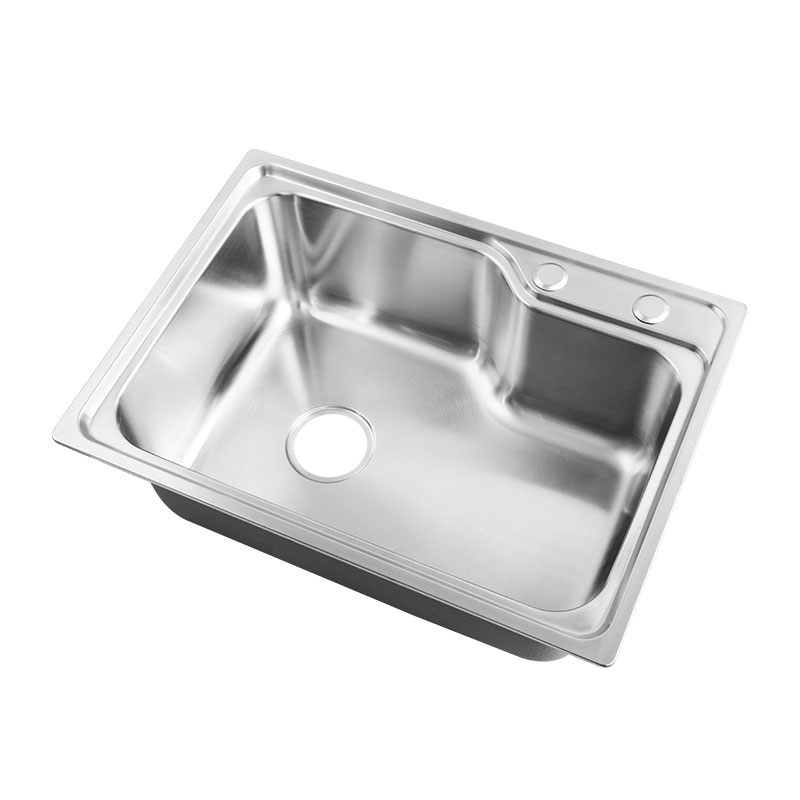
Scratches happen when a harder edge or abrasive particles move across the sink surface under pressure. In real kitchens, the biggest contributor is not the pan itself, but the grit trapped between the item and the sink.
Common scratch sources include:
Sliding pots and pans instead of lifting them
Ceramic or stoneware edges dragging on the bowl bottom
Metal utensils scraping the surface during washing
Sand-like particles from produce, coffee grounds, salt crystals, or metal shavings
Scouring tools that are too aggressive for the finish
A stainless sink can look “new” for a long time when grit is rinsed away first and the surface is cleaned along the grain.
Not every mark requires action. Separating micro-scratches from deep scratches helps you decide whether to adjust cleaning habits or consider surface blending.
Micro-scratches:
Fine, shallow lines that show up under strong light
Often align with the brushed grain and become less noticeable as patina develops
Typically caused by routine contact and light abrasion
Deep scratches:
More visible lines that catch light and look “white” or sharply defined
Often caused by heavy cookware, trapped grit, or harsh scouring
May be felt lightly with a fingernail and can require blending to reduce visibility
A sink with a consistent brushed pattern usually hides micro-scratches better than a highly reflective surface.
Finish choice strongly affects how scratches look over time.
Brushed or satin finishes: Most forgiving. Light marks blend into the directional grain, especially when you clean and wipe along that grain.
Polished finishes: More reflective. Scratches and swirl marks tend to show more because reflections amplify contrast.
Textured finishes: Can disguise random marks by breaking reflections, but may hold residue if cleaning is inconsistent.
If your priority is a sink that stays visually consistent in daily use, a brushed finish is typically easier to live with.
No stainless sink is scratch-proof, but construction and finishing quality influence how the surface ages.
Key factors:
Surface finishing consistency, which determines how evenly the grain hides minor wear
Sink rigidity, which reduces vibration and harsh contact points during use
Edge and corner geometry, which affects where pans naturally rest and slide
Protective features such as bottom grids, which prevent direct metal-to-steel contact
A higher-quality sink does not eliminate marks, but it helps wear look uniform rather than patchy.
Prevention should be simple and realistic. These habits reduce the biggest risks while keeping the sink fully usable.
Practical steps:
Rinse grit out before wiping or scrubbing
Use a soft sponge or microfiber for daily cleaning
Avoid steel wool and choose non-scratch pads when needed
Wipe and scrub along the grain on brushed sinks
Use a sink grid or bottom mat if you frequently wash heavy cookware
Do not store cast iron or sharp-edged metal items in the sink bowl
If you choose only one upgrade, a bottom grid is one of the most effective ways to reduce deep scratching in high-traffic kitchens.
You cannot truly remove a scratch without changing the surface, but you can often reduce visibility by restoring a uniform grain and removing film that exaggerates marks.
Clean with mild dish soap to remove grease.
Apply a non-scratch stainless cleanser or a baking soda paste.
Rub gently along the grain with light pressure.
Rinse thoroughly and dry with microfiber.
Many “scratch-looking” lines are actually soap film or mineral haze that disappears after proper cleaning and drying.
Blend only in the direction of the existing grain.
Keep the working area slightly wider than the scratch so it fades naturally.
Avoid circular rubbing on brushed finishes, which creates cross-grain patches.
If a scratch is deep enough to catch a fingernail clearly, professional refinishing or careful grain restoration is usually the most reliable way to improve appearance without creating a mismatched spot.
The wrong cleaning tool can create more damage than normal use.
| Task | Recommended | Avoid | Why It Matters |
|---|---|---|---|
| Daily cleaning | Mild soap + soft sponge | Harsh abrasive powders | Reduces unnecessary surface abrasion |
| Deep cleaning | Non-scratch cream cleanser | Steel wool | Steel wool can create permanent cross-grain marks |
| Hard water spots | Vinegar wipe, then rinse | Leaving acids to dry | Dried chemicals can spot and dull the surface |
| Finishing | Rinse and dry microfiber | Air-drying | Water spots highlight surface lines |
Rinsing and drying is a simple step that reduces both spotting and the visual contrast of fine lines.
A stainless steel sink is meant to develop a normal patina. Fine use marks usually become more uniform, and the sink looks consistent rather than “brand new.” This is normal wear, not product failure. The goal is to prevent sharp, isolated scratches and maintain an even finish.
If you want the sink to stay visually cleaner for longer, combine three habits: rinse grit first, clean with non-scratch tools, and use a grid for heavy cookware. Those steps keep wear even and reduce the chance of deep scratches.
Stainless steel sinks can scratch, but most scratches are fine use marks that blend into the grain as the sink develops a natural patina. Deep scratches are usually caused by heavy cookware sliding, abrasive grit, or harsh scouring tools. With simple habits like rinsing debris before wiping, cleaning along the grain, avoiding steel wool, and using a sink grid, you can significantly reduce visible wear while keeping the sink practical for daily work.
To explore sink finishes and constructions that fit different kitchens and project requirements, browse OUWAYS stainless steel sinks. If you want help choosing a finish that matches your usage intensity and maintenance expectations, contact OUWAYS. We can provide selection guidance and specification support based on your application.