
Water spots on a Stainless Steel Sink are usually not dirt. They are mineral deposits left behind after water evaporates, especially in areas with hard water. Over time, these spots can build into dull patches that reduce the sink’s shine and make the surface look permanently stained even when it is clean. The good news is that most water spots can be removed safely without harsh chemicals, as long as you use the right method for stainless steel and avoid techniques that scratch the grain or damage the finish.
This guide explains what water spots are, how to remove them step by step, how to prevent them from coming back, and how to care for the sink finish for long-term appearance. If you are comparing sink options or planning a project specification, you can explore OUWAYS products on our stainless steel sink page.
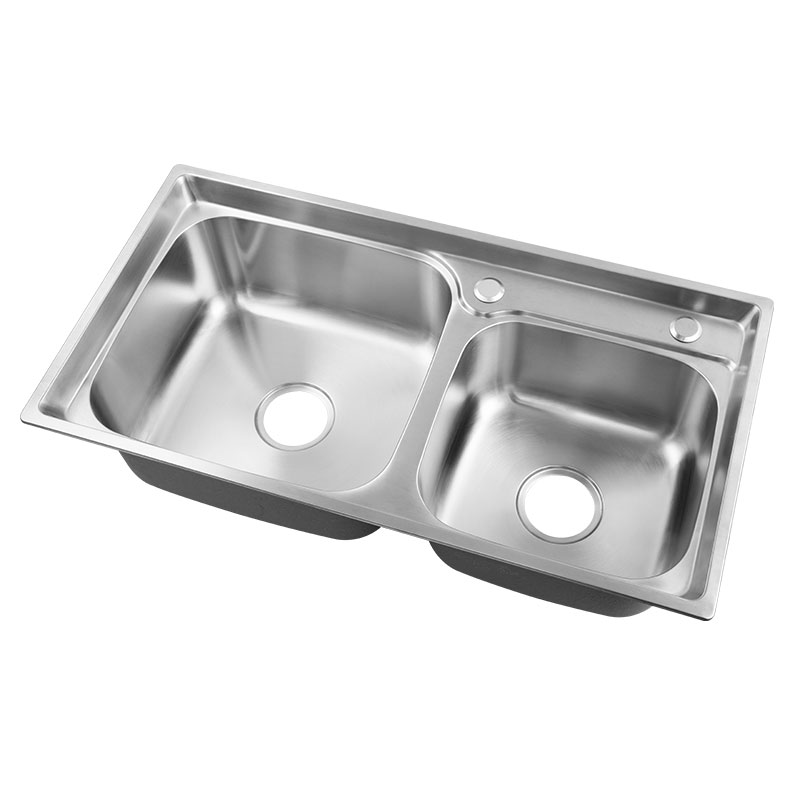
Water spots form when dissolved minerals such as calcium and magnesium remain on the sink surface after water dries. When the deposits are thin, they appear as light white marks or cloudy rings around droplets. When deposits accumulate, they can become rougher to the touch and create a dull film that is harder to remove with normal dish soap.
Stainless steel itself is corrosion resistant, but its surface finish can still be affected by mineral buildup and cleaning habits. If a sink is frequently air-dried, mineral deposits will form faster. If cleaning is done with abrasive pads, the surface grain can become uneven, making water spots appear worse because the light reflects differently across scratched areas.
A durable stainless steel sink finish stays looking clean when mineral deposits are removed gently and the surface grain is protected.
Most stainless steel sinks have a brushed grain. Some have a satin or textured finish designed to hide scratches. The finish determines how you should clean, because stainless steel shows scratch marks when you scrub across the grain.
Before applying any remover, look closely at the direction of the grain lines and plan to clean in that direction. This preserves the factory appearance and reduces the risk of adding new scratch patterns that collect mineral deposits later.
If your sink has a special coating or nano layer, follow the recommended care method for that finish. Even then, mineral deposits can still form on top of coatings, and the same gentle approach is usually effective.
For most light water spots, mild acid is the simplest solution because it dissolves mineral deposits. White vinegar is commonly used for this purpose. The key is controlled application rather than soaking everything excessively.
Start by rinsing the sink to remove loose debris, then wipe the surface dry so you are not diluting the vinegar immediately. Apply vinegar to a soft cloth and wipe along the grain. Allow it to sit briefly on the spotted areas, then wipe again and rinse thoroughly with clean water.
After rinsing, dry the sink completely with a microfiber cloth. Drying is not optional because leaving water to evaporate will create new spots right away, especially if the water is mineral heavy.
This method is usually enough for daily maintenance and keeps the sink looking clear without aggressive scrubbing.
When water spots have built into a cloudy film, vinegar alone may not fully remove the residue. In those cases, a mild polishing paste can lift deposits without damaging the steel. Baking soda is often used because it provides gentle abrasion and helps break down stubborn residue.
Create a paste with baking soda and a small amount of water, apply it to the affected area, and rub gently along the grain using a soft cloth or non-scratch sponge. Do not use steel wool or harsh scouring pads, because they can embed particles and leave scratch marks that attract more deposits.
After lifting the film, rinse thoroughly and dry the surface. If the sink still looks dull, repeat the process lightly rather than increasing force. Stainless steel responds better to repeated gentle passes than to aggressive scrubbing.
Water spots often concentrate around faucets, drain flanges, and corners because water sits there longer. These zones may need targeted treatment. Use a cloth wrapped around a finger or a soft brush designed for delicate surfaces to reach tight edges.
If the spot is at the seam between metal parts, avoid pushing liquid deep into joints. Instead, apply solution to the cloth and wipe precisely. This reduces the risk of moisture trapping under components.
For drain areas, remove strainers and rinse out debris first. Mineral deposits can form under strainers and create odor or discoloration. Cleaning that zone improves both appearance and hygiene.
After removing water spots, some users apply a small amount of stainless steel cleaner or a light mineral oil wipe to enhance shine and reduce fingerprint visibility. If you do this, use a tiny amount and buff thoroughly. The goal is a clean, dry-feel surface, not an oily film that attracts dust and food residue.
For kitchen sinks, any shine-enhancing step should be food-safe and applied only after the sink is fully rinsed and dried. A properly finished surface will repel water more effectively, which slows spot formation.
A practical maintenance routine focuses on consistent drying and gentle cleaning rather than heavy polishing.
Water spots return when water is left to evaporate on the surface. Prevention is mostly about habit and simple maintenance. After rinsing dishes, wipe the sink dry, especially around the drain and corners. This takes less time than spot removal later and keeps the finish more uniform.
Weekly, do a quick vinegar wipe along the grain and rinse thoroughly. If you have extremely hard water, consider cleaning more frequently or using a drying habit after each use.
If the sink is used in a high-traffic environment such as a rental property or commercial kitchen prep area, prevention is even more important because spots can build quickly under heavy use.
Some cleaning habits create long-term problems on stainless steel sinks. Abrasive pads scratch the grain and create micro grooves where minerals cling. Chlorine bleach can damage stainless surfaces if left in contact too long, especially in concentrated form. Leaving acidic cleaners to sit too long can also affect finish consistency.
The safest approach is controlled contact time, thorough rinsing, and full drying. If you keep the grain intact and prevent mineral buildup, the sink will maintain a clean appearance with minimal effort.
| Situation | Best Method | Why It Works |
|---|---|---|
| Light fresh spots | Vinegar wipe, rinse, dry | Dissolves minerals quickly |
| Cloudy mineral film | Baking soda paste, gentle rub | Lifts stubborn deposits safely |
| Corners and drain edges | Targeted cloth application | Reaches tight zones without scratching |
| Frequent recurrence | Drying routine plus weekly wipe | Prevents new deposits forming |
This comparison helps you choose the right approach without over-cleaning.
Water spots form on any stainless sink, but the way a sink is manufactured affects how easy it is to maintain. A consistent brushed finish and controlled surface treatment make cleaning easier because the grain pattern remains uniform. A well-built sink also resists deformation and maintains smooth slopes toward the drain, reducing standing water areas where minerals concentrate.
OUWAYS focuses on stainless steel sink manufacturing with solutions designed for real kitchen use. If you are planning a project or selecting sinks for a supply program, you can explore styles and specifications on our stainless steel sink page.
Removing water spots from a stainless steel sink is mainly about dissolving and lifting mineral deposits without damaging the grain. For light spots, a vinegar wipe followed by thorough rinsing and complete drying is usually enough. For heavier film, a gentle baking soda paste can restore clarity without harsh abrasion. The most effective long-term prevention is simple: do not let water evaporate on the surface, and maintain the sink with regular light cleaning along the grain.
If you are selecting stainless steel sinks for a kitchen project or want guidance on choosing finishes that are easier to maintain in hard water areas, OUWAYS can help. Visit our stainless steel sink page to review options, and contact our team with your sink size, finish preference, and project needs. We can provide practical recommendations and support you with specification guidance.