
Black Stainless Steel Sinks are designed to be durable and visually modern, but they can still scratch under certain conditions. The more accurate question is not whether scratches can happen, but what kind of black finish the sink uses and how that finish behaves under daily kitchen use. Some black stainless sinks use a surface coating over stainless steel, while others use a treated or textured surface designed to reduce visible wear. The finish type, the surface texture, and the cleaning habits in the kitchen determine whether scratches are rare and barely visible or frequent and obvious.
This guide explains how Black Stainless Steel Sinks scratch, how to choose a finish that holds up better, how to reduce scratch risk in real kitchens, and what to do if marks appear. If you are comparing sink solutions for a project or procurement program, you can explore OUWAYS options on our stainless steel sink page.
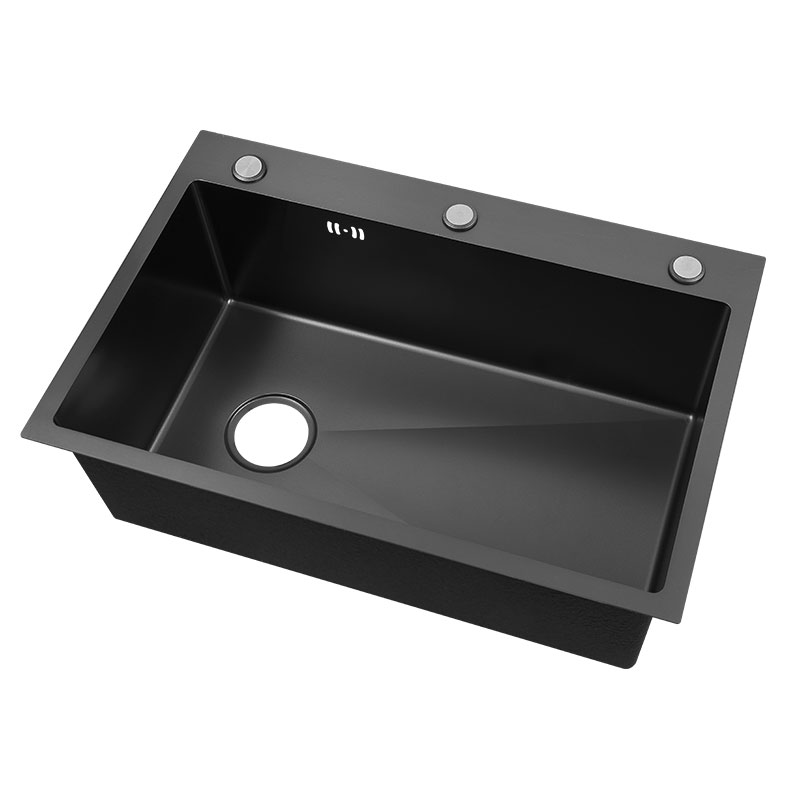
Many “scratches” reported on black sinks are actually one of three things: surface abrasion on the top layer, metal transfer marks from cookware, or mineral residue lines that look like scratches until cleaned. These issues look similar in daily lighting, but they have different causes and different fixes.
Surface abrasion is a true scratch that disrupts the finish layer. Metal transfer marks are streaks left behind when softer metals rub against the surface, and they can sometimes be removed with gentle cleaning. Mineral residue can form thin lines where water dries along a drip path, creating the illusion of scratches, especially on darker finishes.
Understanding the difference matters because a sink may be performing normally, but the maintenance routine is not matched to the finish type.
Traditional brushed stainless steel hides wear well because the surface grain is consistent and small marks blend into the brushed pattern. Black finishes often rely on a surface layer to achieve color, which changes how scratches appear. If the color layer is thin and smooth, abrasion can create a visible contrast line more easily than on a brushed silver sink.
Some black stainless sinks are engineered with textured or patterned surfaces specifically to reduce visible scratches and improve daily usability. Texture scatters light and makes minor wear less noticeable. Smooth glossy black finishes can look premium, but they typically show surface marks more clearly, especially under under-cabinet lighting.
A durable Black Stainless Steel Sink is not only about the base stainless material. It is about how the black finish is applied and how well it resists abrasion and cleaning chemicals over time.
Most visible wear happens when hard particles are dragged across the sink surface. Common sources include sand-like debris on produce, ceramic grit on the bottom of cookware, and metal edges from baking trays. Even a high-quality sink can show marks if abrasive particles are rubbed repeatedly in the same area.
Another common cause is using the wrong cleaning tools. Steel wool, aggressive scouring pads, and powdered cleaners can create micro-abrasion quickly. On black finishes, micro-abrasion can appear as a light haze that makes the sink look dull.
Heat is not usually the direct cause of scratches, but it can change residue behavior. When hot cookware is placed into a wet sink, minerals can bake onto the surface and create lines that resemble scratches until removed.
If you are sourcing or specifying black stainless sinks, focus on finish structure rather than color name. A better-performing black sink usually has a finish engineered for kitchens, meaning it resists abrasion, avoids easy discoloration, and stays clean with gentle maintenance.
Surface texture is one of the most practical indicators. Textured black surfaces tend to hide small marks better than smooth finishes. Another factor is how consistent the finish is across corners and weld zones, because weak finish areas often show wear first.
For project buyers, requesting samples and evaluating them under real lighting is a practical approach. Black finishes can look similar in photos but behave differently in daily use.
A practical way to reduce risk is also to pair the sink with accessories such as a bottom grid, which reduces direct contact between cookware and the sink surface.
Scratch prevention does not require complicated routines, but it does require consistency. Rinsing away grit before scrubbing is one of the most effective habits. If you wash produce in the sink, rinse the basin after and wipe away particles. Avoid sliding heavy pots across the bottom. Lift them instead, especially cast iron and cookware with rough bases.
Using a soft cloth or non-scratch sponge prevents unnecessary abrasion. If you need more cleaning power, use a cleaner designed for stainless surfaces rather than gritty powders. After cleaning, rinsing thoroughly and drying reduces mineral residue that can appear as lines.
These habits also keep the finish looking uniform, which is important in kitchens where lighting highlights every surface.
When a mark appears, begin with the least aggressive method. Many streaks are transferable metal marks or residue rather than true scratches. Use a mild stainless-safe cleaner and a soft cloth. Work gently and rinse thoroughly.
If the mark does not change after cleaning, it may be abrasion on the finish. At that point, the right response depends on the sink finish type. Some finishes can be refreshed with approved maintenance products, while others should not be polished aggressively because polishing can change the surface appearance.
The goal is to maintain finish consistency. Over-correcting one area can create a patch that looks different from the surrounding surface.
Black finishes benefit from gentle, regular maintenance rather than occasional heavy scrubbing. A weekly routine that removes mineral deposits and food residue without abrasives is usually enough. Drying the sink reduces water spots that can look like scratches under certain angles.
Avoid bleach-based cleaners and strong acids unless the product is confirmed compatible with the finish. Chemical incompatibility can cause discoloration or weaken the surface layer, which makes scratching more likely later.
If the sink is installed in a rental property or high-traffic environment, using a protective grid or mat is a practical choice that improves appearance retention and reduces service complaints.
| Situation | Why Marks Appear | Most Practical Prevention |
|---|---|---|
| Rough cookware bases | Abrasion on finish surface | Use a sink grid and avoid sliding |
| Grit from produce or debris | Particles drag across surface | Rinse basin before wiping |
| Wrong cleaning pad | Micro-scratches and haze | Use non-scratch sponge or soft cloth |
| Hard water residue | Lines that resemble scratches | Rinse and dry after use |
| Aggressive chemical cleaning | Finish weakening or discoloration | Use finish-safe cleaners only |
This table helps match the solution to the real cause instead of treating every mark as a permanent scratch.
If you are specifying black stainless sinks for a project, the goal is to reduce long-term maintenance problems and minimize appearance-related complaints. A black sink can elevate the look of a kitchen, but the finish must be engineered for real use. Stable surface treatment, consistent finish application, and compatibility with common cleaning habits all affect satisfaction.
OUWAYS provides stainless steel sink solutions designed for kitchen environments where durability and usability matter. You can explore finish and style options on our stainless steel sink page, especially if you are comparing black finish performance for different markets and usage scenarios.
Black stainless steel sinks can scratch, but scratch visibility depends mainly on the finish type, surface texture, and daily care habits. Many marks that look like scratches are actually metal transfer or mineral residue and can be removed with gentle cleaning. True abrasion is most often caused by dragging gritty particles or using aggressive cleaning pads. Choosing a finish engineered for kitchen wear, maintaining it with non-abrasive tools, and using practical protection like a sink grid can significantly reduce visible wear over time.
If you are selecting black stainless sinks for a kitchen project or want guidance on choosing a durable finish that matches your market expectations, OUWAYS can help. Visit our stainless steel sink page to review options, then share your target finish, sink size, and usage scenario with our team. We can provide practical recommendations and support you with specification guidance.