
The best gauge for a Stainless Steel Sink depends on how the sink will be used, how it is installed, and how the sink is built. “Gauge” describes sheet thickness, and for stainless steel sinks a lower gauge number generally means thicker steel. Thicker steel can feel sturdier, resist denting better, and reduce vibration that contributes to noise. However, thickness alone does not guarantee a better sink. The sink’s steel grade, welding quality, corner structure, sound-deadening treatment, and undercoating can matter just as much in real kitchens.
This article explains what sink gauge means, how common gauges compare, which gauge is best for different kitchen needs, and how to select a sink that stays stable and looks clean long-term. You can browse OUWAYS options on our stainless steel sink collection if you are comparing specifications for a project or supply plan.
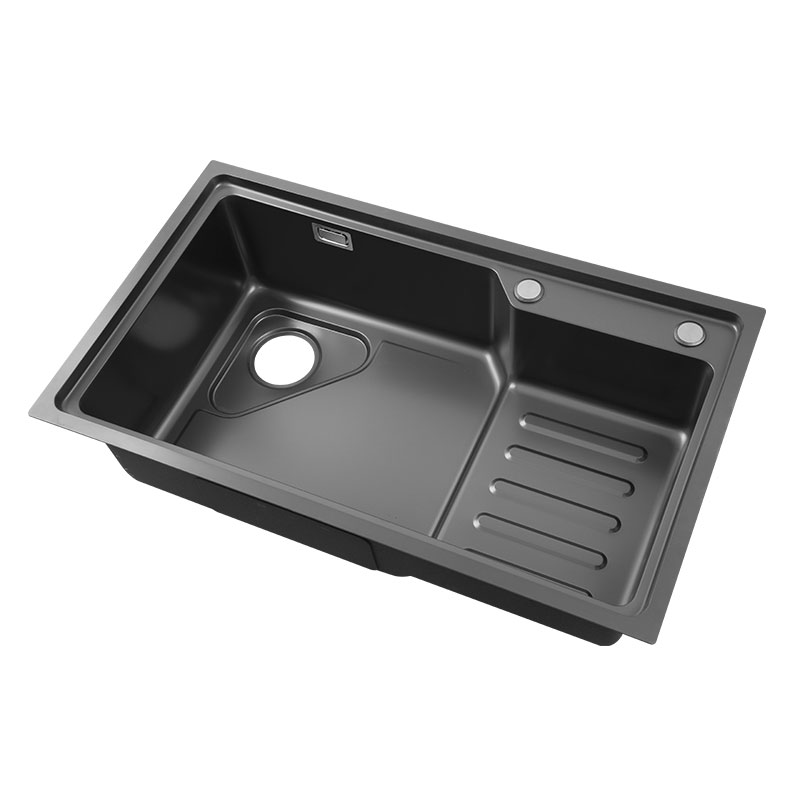
Gauge is a standardized way to express sheet metal thickness. In stainless sinks, the most common gauges you will see are 16, 18, and 20. A 16-gauge sink is thicker than an 18-gauge sink, and an 18-gauge sink is thicker than a 20-gauge sink. That thickness difference affects how the sink behaves when you set down cookware, run the garbage disposal, or rinse dishes with strong water pressure.
The most important point is that gauge influences a group of outcomes rather than one single benefit. Thicker steel can improve dent resistance and stiffness, but it can also be paired with poor fabrication and still perform poorly. On the other hand, a well-designed 18-gauge sink with proper reinforcement and sound treatment can feel exceptionally solid in daily use. For buyers, gauge should be treated as one selection factor within a complete sink quality checklist.
Most residential and light commercial stainless steel sinks fall into a narrow gauge range. The table below shows typical thickness values used in the market and how they usually perform.
| Sink Gauge | Typical Thickness Range | Practical Performance Notes |
|---|---|---|
| 16 gauge | about 1.2–1.6 mm | Strong stiffness and dent resistance, often preferred for premium installs and heavy cookware use |
| 18 gauge | about 1.0–1.3 mm | Balanced choice for most kitchens, good durability when structure and sound treatment are well executed |
| 20 gauge | about 0.8–1.0 mm | More prone to vibration and denting, typically used for budget projects or light-use spaces |
Thickness ranges can vary by manufacturer and by sink style. “Handmade” or welded sinks can use a different thickness approach than drawn or pressed sinks, and some designs use reinforcement panels that change the feel of the sink even at the same sheet thickness.
It is easy to assume a thicker sink is always the best. In many cases, 16 gauge is an excellent choice, but there are situations where an 18-gauge sink can be the smarter decision. The reason is that performance depends on the complete system.
A sink’s rigidity is influenced by bowl geometry, corner radii, and how the rim and flange are formed. Noise is influenced by undercoating, sound pads, and how tightly the sink is mounted to the countertop. Dent resistance depends on thickness, but also on how loads are applied. If you rarely place heavy cookware directly in the basin, the benefit of extra thickness can be less noticeable than improvements in finish, coating, or accessory fit.
From a procurement perspective, it is more practical to decide which gauge matches the expected use level, then verify that the sink is engineered well enough to deliver the benefits that gauge should provide.
A 16-gauge stainless steel sink is often the best option when the kitchen sees heavier daily use or when a premium, rigid feel is a priority. Thicker steel typically reduces flexing when you set down large pots or when you work with heavy cast iron cookware. It can also reduce the “drum” effect that makes some sinks sound louder, especially when water hits the bowl wall.
16 gauge is commonly chosen for:
Busy family kitchens where the sink is used continuously for cooking and cleanup
Larger single-bowl layouts where the basin span is wide and stiffness matters more
Undermount installations where the sink is supported by the countertop cutout and mounting system
Projects that want a more substantial feel for long-term satisfaction
If you are building a durable stainless steel sink specification for a premium program, 16 gauge is often an easy way to communicate higher-level durability expectations, especially when paired with good sound-deadening treatment and a high-quality finish.
For many kitchens, 18 gauge is the best balance between performance, cost efficiency, and manufacturing flexibility. A well-built 18-gauge sink can be stiff, quiet, and dent-resistant enough for everyday use, while keeping weight and overall system cost more manageable. This is why 18 gauge is widely used across mid-to-high range residential sinks and many light commercial environments.
18 gauge is commonly chosen for:
Standard residential kitchens with normal cookware and daily dishwashing
Double-bowl sinks where the structure is naturally supported by the center divider
Renovation projects where installation conditions vary and a balanced specification reduces risk
Programs that require consistent supply at scale while maintaining dependable performance
If you are sourcing in volume and want a practical specification that fits most end-user expectations, 18 gauge is often the most flexible choice.
20-gauge sinks are thinner, which can increase vibration and make sound more noticeable when water hits the bowl. They can also be more prone to denting if heavy cookware is dropped or if items are repeatedly set down with force. In some projects, a 20-gauge sink may still be acceptable, especially in low-use areas or budget-sensitive programs, but it typically requires more attention to undercoating and installation support to avoid feeling “light.”
If your target market expects a premium feel, 20 gauge can create more service complaints related to noise, perceived quality, and long-term appearance. For that reason, many buyers treat 18 gauge as the minimum for a reliable baseline.
Gauge selection becomes more important as the sink size increases and as the installation method changes.
Undermount sinks often benefit from thicker steel because the bowl is visually exposed and the sink relies heavily on mounting stability. Drop-in sinks can feel stable even with slightly thinner steel because the rim sits on the countertop and can reduce perceived flexing. Farmhouse sinks are larger and can experience more load and vibration, making thickness and structure more critical.
The most effective approach is to confirm:
Bowl size and depth
Single-bowl or double-bowl structure
Undermount, topmount, or farmhouse installation
Countertop material and thickness
Whether accessories such as grids will be used
If you are planning a custom stainless steel sink layout for a specific cabinet size, gauge should be selected together with bowl geometry and mounting approach so the final system feels solid and installs reliably.
Gauge tells you thickness, but it does not tell you corrosion resistance or surface behavior. Stainless steel grade is a separate decision. Many kitchens specify 304 stainless steel because it is widely used for corrosion resistance and kitchen durability. The finish also matters. A brushed finish can help hide micro marks and maintain a consistent look, while special finishes may change how water spots and fine abrasion appear.
A thicker sink with weak finishing can still show uneven grain, polishing marks, or inconsistent corners. A thinner sink with excellent finishing and structure can look and feel better than expected. That is why many professional buyers evaluate gauge together with grade and finishing standards.
Thicker steel can reduce noise, but sound performance is also strongly influenced by:
Sound-deadening pads placed on the bowl exterior
Undercoating coverage and thickness
How tightly the sink is mounted to the countertop
Whether the drain assembly and disposal are properly installed
A common misconception is that moving from 18 to 16 gauge automatically solves noise. In practice, the best results come from a combination of reasonable thickness and well-applied sound treatment. If you are building a specification, include both thickness and sound-deadening requirements rather than relying on gauge alone.
Choosing the best gauge becomes easier when you translate it into the “what happens in use” questions that matter in real kitchens.
| Buyer Priority | Recommended Direction | Why It Matches The Need |
|---|---|---|
| Heavy cookware and high daily use | Prefer 16 gauge or strong 18 gauge | Better stiffness and dent resistance under repeated load |
| Balanced cost and performance | High-quality 18 gauge | Reliable feel with strong manufacturing flexibility |
| Quiet operation focus | 16 or 18 plus sound treatment | Pads and coating often matter as much as thickness |
| Large single-bowl design | Prefer thicker or reinforced structure | Wide spans amplify vibration and flex |
| Supply program repeatability | Stable 18 gauge specification | Easier to standardize across multiple models |
This checklist helps you avoid over-specifying thickness where it does not add meaningful value, while ensuring you do not under-specify in high-use installations.
For project buyers and procurement teams, the goal is not simply to select a gauge number. The goal is to choose a sink that performs consistently across a full program, installs cleanly, and stays looking professional over time. OUWAYS focuses on stainless steel sink solutions across different configurations and finish options, supporting specification-driven selection rather than one-size-fits-all choices.
You can explore sink styles and configuration directions on our stainless steel sink collection and share your cabinet size, installation type, and target positioning so we can recommend a practical specification path.
The best gauge for a stainless steel sink is the one that matches your kitchen use level and installation type. In many premium or heavy-use kitchens, 16 gauge is preferred for a stronger, more rigid feel and better dent resistance. For most residential kitchens and many supply programs, a well-built 18-gauge sink is the best all-around choice because it balances durability, sound performance, and cost efficiency. Thinner gauges can work in low-use spaces, but they usually require more careful attention to sound treatment and installation support.
If you are selecting sinks for a project or building a product lineup and want help choosing the right gauge, finish, and configuration, OUWAYS can support your decision with practical guidance. Visit our stainless steel sink collection to review options, then contact us with your sink size, installation method, and target market needs. We will help you define a durable, project-ready sink solution.
Previous: