
Cleaning a kitchen sink drain is not complicated, but it needs the right method. A drain should be cleaned in a way that removes residue without damaging the sink surface or creating unnecessary wear around the drain area. This is especially important in modern kitchens where the sink is expected to stay both functional and visually clean.
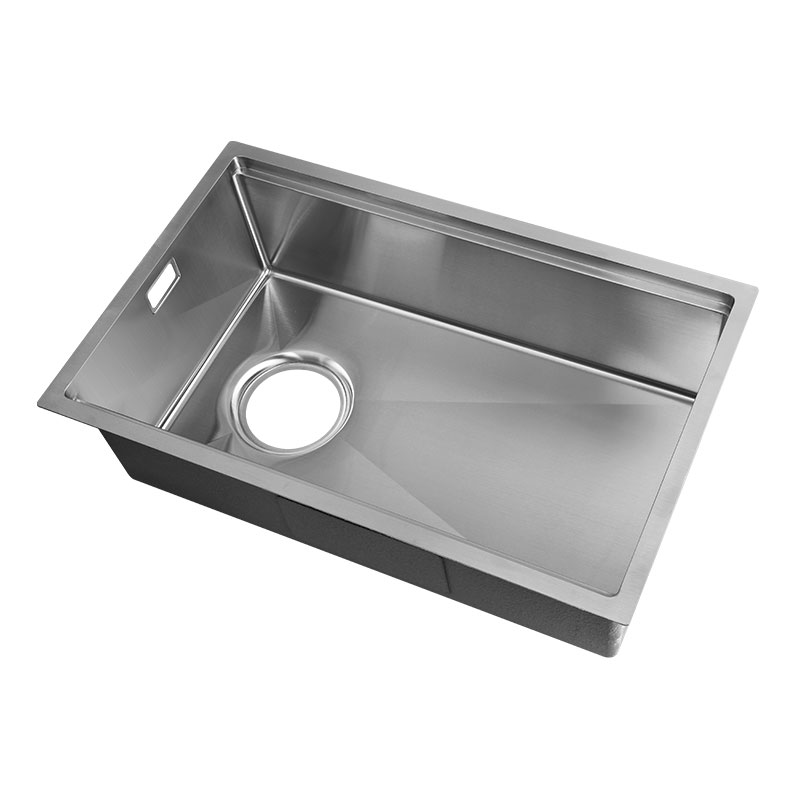
The drain is the point where everything gathers. Tiny food particles, cooking oil, coffee residue, vegetable scraps, soap film, and starch from rinsed dishes can all move toward the same opening. Some of that material washes through, but some of it stays behind on the strainer, around the basket, or inside the first section of the drain line.
Grease is one of the main problems. When warm oil goes down the drain, it may seem harmless at first, but as it cools it can cling to the inside surface and trap other debris. Over time, that layer gets thicker. Soap residue and hard water minerals can make the situation worse by adding another film on top. That is why a drain can smell bad even when the sink bowl has already been wiped clean.
The best way to begin is with the part you can already see. Remove the strainer or basket if your sink has one, then rinse away loose food particles. This first step matters because surface debris often causes the smell people notice first.
After that, use warm water and a mild cleaner to wipe around the drain opening, the strainer, and the nearby sink bottom. A soft sponge or cloth is usually enough. The goal is to remove grease and residue without scratching the sink. If the drain edge has corners or seams nearby, clean those areas carefully as well, since buildup often collects there.
A smooth, well-finished sink surface makes this part easier. In a Handmade Kitchen Sink, the clean lines and durable stainless steel structure are often chosen not only for appearance, but also because they are practical for daily washing and easier routine care.
Once the visible area is clean, the next step is dealing with the material slightly below the surface. A simple method is to flush the drain with hot water to loosen grease and soap residue. This works best when done steadily rather than in a quick splash.
If buildup remains, a mild drain-safe cleaning method can help break it down. The important point is to avoid using harsh products too often. Strong chemicals may remove blockage quickly, but repeated use can be hard on connected parts and is not always necessary for normal kitchen maintenance. In many homes, regular gentle cleaning works better than aggressive treatment after the drain has already become heavily clogged.
If the smell continues, the drain stopper, basket, or trap area may need more direct cleaning. In that case, removing washable parts and cleaning them separately often improves results more than simply pouring more cleaner into the drain.
Bad drain odor usually comes from trapped organic residue rather than from the sink material itself. Food particles left in moist conditions begin to break down, and that smell rises back through the opening. This is why odor can return even after the sink bowl has been rinsed.
The most effective solution is thorough cleaning followed by regular drying and flushing. Wipe the drain area after washing greasy cookware, clear out the strainer before residue settles, and do not let wet scraps sit in the basket too long. A drain that stays cleaner day by day is much less likely to develop strong odor later.
A kitchen sink drain should be cleaned regularly, not only when it becomes slow or smells unpleasant. In a busy home kitchen, light cleaning every few days and deeper drain care at routine intervals is usually more effective than waiting for a blockage. In heavier-use kitchens, the drain may need more frequent attention, especially when cooking oils, sauces, or food scraps are washed away often.
This routine approach also helps protect the overall sink area. When the drain stays clear, water flows better, the bottom area stays cleaner, and daily maintenance becomes easier. It is a small task, but it affects the whole washing experience.
One common mistake is assuming the garbage disposal or water flow will handle everything. Large food scraps, oil, and sticky residue still create problems over time. Another mistake is scrubbing too aggressively around the drain with rough tools that may affect the sink finish.
Ignoring early signs is also a problem. A mild smell or slightly slower drain is usually a warning that buildup has started. Cleaning at that stage is much easier than dealing with a full blockage later. Good sink care is usually about timing more than effort.
Drain maintenance is easier when the sink itself is built for practical kitchen use. Stainless steel remains a popular choice because it is durable, hygienic, and suitable for frequent washing. In Handmade Kitchen Sinks, details such as bowl depth, finish, edge transition, and overall structure can improve both cleaning efficiency and daily comfort.
For buyers choosing sinks for residential projects, retail programs, or custom kitchen collections, easy maintenance should always be part of the decision. A sink may look attractive in photos, but the real test is how well it performs after months of daily washing, rinsing, and drain use.
Cleaning a kitchen sink drain is one of the simplest ways to keep the whole sink area fresher, more hygienic, and easier to use. When food residue, grease, and soap film are removed regularly, the drain flows better and the sink stays cleaner with less effort. The key is not harsh cleaning, but steady care, gentle methods, and attention to the early signs of buildup.
If you are looking for a kitchen sink that combines practical daily use with clean, durable design, feel free to contact us. We can help you explore suitable Handmade Sink options, finish choices, and custom solutions for different kitchen projects and market needs.