
A Stainless Steel Sink is one of the easiest kitchen fixtures to live with, but that does not mean it stays clean on its own. Water spots, soap film, grease, food residue, and fine scratches can slowly take away the clean look people expect from stainless steel. The good news is that daily care is simple. In most cases, a stainless steel sink does not need strong chemicals or complicated treatment. It needs the right method, a gentle touch, and a little consistency.
This matters even more in compact kitchens, utility areas, and small prep spaces where the sink is used often and seen clearly. A well-kept stainless steel sink looks brighter, feels more hygienic, and stays easier to maintain over time. Once the wrong cleaning habits start, though, even a durable sink can begin to look dull or uneven.
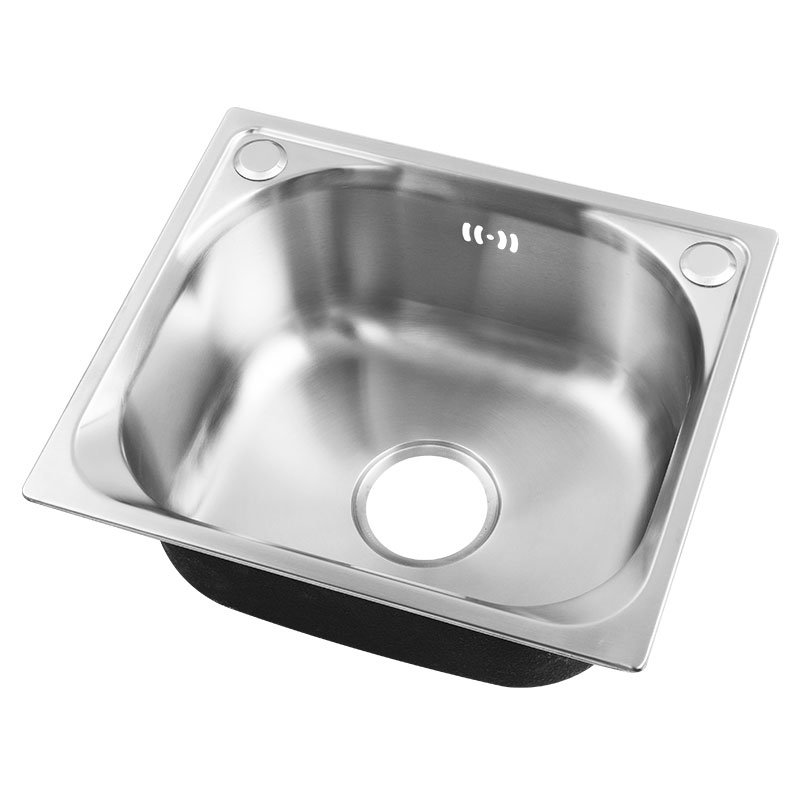
Many people are surprised when a stainless steel sink shows stains even though the material itself is known for durability. What usually appears on the surface is not true damage at first. It is often a layer of mineral deposits, leftover soap, oil film, or dried water spots. In daily kitchen use, these marks build up quietly. The sink is rinsed again and again, but not always dried, so residue stays behind in thin layers.
Grease is another common cause. When cookware, sauces, or oily dishes are washed, a light film can settle on the sink wall and bottom. Once that mixes with soap and water minerals, the surface starts to lose its fresh metallic look. The sink may still be functional, but it no longer looks clean.
The safest way to clean a stainless steel sink is also the simplest. Begin by rinsing away loose food scraps and visible residue with warm water. Then use a mild detergent or neutral cleaner with a soft cloth or non-abrasive sponge. This removes everyday dirt without putting too much stress on the finish.
When wiping the sink, follow the direction of the grain if the surface has a brushed texture. This small detail makes a real difference. It helps the sink keep a more even appearance and reduces the chance of visible cleaning marks. Stainless steel responds well to gentle, regular care. It does not respond well to rough scrubbing.
Water spots are one of the most common complaints with stainless steel sinks. They appear because minerals remain after the water dries. The easiest way to deal with them is to clean the sink with mild soap, rinse thoroughly, and then dry the surface with a soft towel. Drying is what many people skip, but it is one of the most effective steps in keeping the sink bright.
If the spots have already built up, let the cleaner sit briefly on the surface, then wipe gently and rinse well. In most cases, light staining lifts without much effort when the cleaning is done before residue becomes too heavy. The longer marks stay on the surface, the more time they usually need.
Kitchen sinks often collect more grease than people expect. It may not look obvious right away, but the surface starts to feel slightly sticky or less smooth. That is usually a sign that oil film is sitting on top of the steel. The right answer is not a stronger chemical. It is a more complete cleaning process.
Warm water helps loosen grease first. After that, a mild detergent can break the film down without being too harsh. Wipe the sink wall, bottom, corners, and drain edge carefully, then rinse until the surface feels clean rather than slick. A soft cloth works better than an aggressive scrubber because it cleans without affecting the brushed finish.
Stainless steel is durable, but it is not meant to be treated with just any cleaning product. Strong acid, strong alkali, or rough metal tools may remove dirt quickly, but they can also affect the surface texture and reduce the original finish over time. A sink that has been cleaned too aggressively may start showing uneven shine, dull patches, or more visible scratch patterns.
This is especially important for Brushed Stainless Steel Sinks. That finish is chosen because it looks clean, modern, and practical in daily use. Once the texture is damaged, the sink may become harder to keep looking consistent. It is much better to clean more gently and more regularly than to over-clean when the sink already looks tired.
The sink bowl is only part of the cleaning job. The drain area also needs attention because that is where food particles, soap residue, and grease collect most easily. Start by removing visible debris from the strainer or basket. Then clean around the drain opening with warm water and a soft cloth.
If odor is starting to develop, the problem is usually trapped residue rather than the sink material itself. Regular cleaning of the drain edge and removable parts often solves the issue early. Keeping the drain clear also helps the rest of the sink stay cleaner, since standing water and leftover residue near the outlet can quickly affect the whole bowl.
A stainless steel sink does not need deep cleaning every day, but it does benefit from regular maintenance. A quick rinse and wipe after heavy use can prevent most common marks from building up. A more careful clean at routine intervals helps remove grease film, light stains, and water residue before they become harder to manage.
This regular rhythm is especially useful in smaller sinks, where daily use is concentrated into a more compact area. In a 17-inch sink, space is used efficiently, so residue from washing, rinsing, and food prep can become noticeable faster if the surface is not wiped down often. A compact sink stays attractive much more easily when maintenance is kept simple and frequent.
Cleaning is never only about the cleaner. It is also about the sink itself. A well-made stainless steel sink with a smooth brushed finish, practical bowl depth, and durable construction is easier to maintain in real use. Compact single-bowl models are often chosen for small kitchens, auxiliary washing zones, and limited countertop layouts because they offer essential function without wasting space. A sink that is easy to reach and easy to wipe naturally supports better daily cleaning habits.
For buyers selecting sinks for residential or project use, easy maintenance should always be part of the decision. Material, finish, size, and surface treatment all affect how the product performs after installation, not just how it looks on the first day.
One common mistake is letting dirty water or food residue sit too long in the bowl. Another is using steel wool or highly abrasive pads because the sink looks tough enough to handle them. It may handle them once, but repeated use can make the surface look worn faster than expected.
Another mistake is cleaning the sink but not drying it. Many of the marks people blame on the material are actually marks left by drying water. A clean sink that stays wet will often show spots again very quickly. Drying is not an extra step. It is part of proper cleaning.
Cleaning a stainless steel sink does not need to be difficult. In most kitchens, warm water, a mild cleaner, a soft cloth, and regular drying are enough to keep the surface looking fresh and practical. The goal is not to scrub harder. It is to clean earlier, clean more gently, and avoid the products that can do more harm than good.
If you are looking for a stainless steel sink that is compact, easy to maintain, and suitable for different kitchen layouts, feel free to contact us. We can help you explore size options, finish details, and customization support so you can choose a sink solution that works better for your market and everyday use.