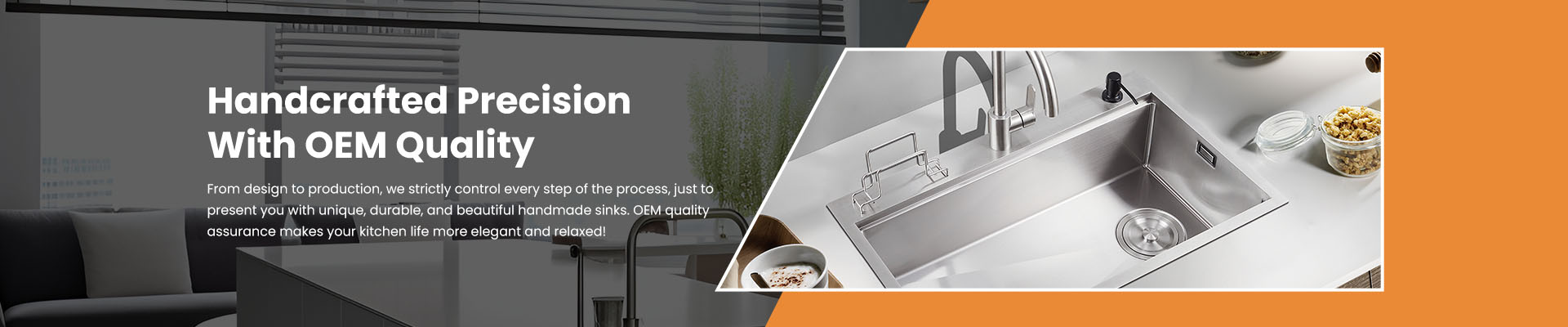
That matters because stainless steel is chosen for a reason. It is durable, practical, and easy to maintain when treated correctly. A Handmade Single Bowl Sink is often used for everything from rinsing vegetables to washing large cookware, so keeping the surface in good condition is not only about appearance. It also affects how easy the sink is to clean and how professional the whole kitchen looks in daily use. OUWAYS’ product direction in this category centers on handmade single-bowl Stainless Steel Sinks in 304 stainless steel, brushed finishes, and custom sizing, which fits exactly the kind of sink that benefits from proper scratch care.
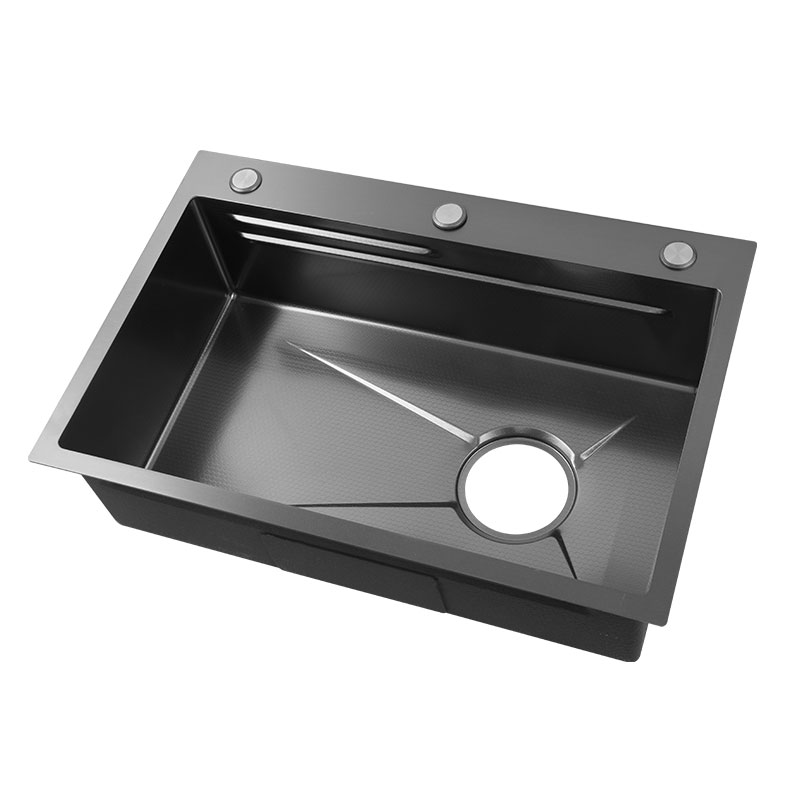
Not every scratch should be treated the same way. Very fine surface scratches often look worse when the sink is dry and much lighter when the sink is wet. Those marks are usually easier to reduce because they sit on the top finish rather than cutting deeply into the material. Slight scuffing from bowls, cups, or light scrubbing usually falls into this category.
Deeper scratches are different. If a mark catches your fingernail easily, looks dark from multiple angles, or cuts across the brushed grain sharply, it may not disappear completely. In those cases, the goal is usually to soften how visible the scratch looks rather than fully erase it. That is a more realistic and safer approach for stainless steel.
Most scratches come from daily habits rather than a single major event. Steel wool, rough scouring pads, sharp utensils, heavy cookware, and dragging pans across the bottom all create wear over time. Even cleaning in the wrong direction can make light scratches look more obvious on a brushed surface.
This is especially true for Handmade Sinks with a brushed finish. Brushed stainless steel looks clean and modern, but it also has a visible grain. When scratches run against that grain, they stand out more. That does not mean the sink is poor quality. It usually means the surface should be cleaned and maintained in a way that matches its finish.
Before trying to treat scratches, clean the sink properly. Oil film, soap residue, and mineral spots can make scratch patterns look heavier than they really are. Use warm water, a mild detergent, and a soft cloth or non-abrasive sponge. Wipe the entire bowl carefully, then rinse and dry it.
This first step helps in two ways. It gives you a more accurate view of the actual scratch depth, and it prevents dirt from interfering with any follow-up treatment. Many people try to fix scratches too early, when the sink simply needs a proper clean first.
This is the most important rule. If the sink has a brushed finish, any cleaning or scratch-reduction work should move in the same direction as the grain. Rubbing in circles or across the grain can create new visible lines and make the sink look more uneven than before.
Take a close look at the sink surface under light. You should be able to see the brushing direction. Once that is clear, keep all wiping and polishing movement consistent with that line. A careful, patient motion works much better than heavy pressure.
For light scratches, a soft cloth and a stainless-steel-safe polishing product are often enough to improve the appearance. Apply a small amount, then work gently along the grain. The goal is not to grind the surface down. It is to blend the scratch so it becomes less noticeable within the existing finish.
This process usually takes more than one pass. It is better to work slowly and check the result often. Stainless steel responds well to controlled care, but aggressive polishing can leave an uneven patch that is more obvious than the original scratch.
Strong abrasive pads, steel wool, and random metal polishes are the biggest mistakes. They may seem faster, but they often leave the surface rougher and the brushed pattern less consistent. Harsh chemicals are also a poor choice because they do not solve the scratch itself and may affect the sink finish.
Another mistake is focusing only on one tiny area with too much force. Stainless steel should be treated as a visible surface, not just as a spot problem. If one section becomes shinier or duller than the surrounding area, the repair may stand out more than the scratch did.
The best scratch treatment is prevention. Place heavy cookware down gently instead of sliding it. Avoid dropping cutlery into the bowl. Use soft cloths or non-abrasive sponges for routine cleaning. If the sink is used heavily, a bottom grid or protective mat can help reduce direct wear from pots and pans.
Daily cleaning habits also matter. A sink that is rinsed and wiped regularly is easier to maintain because dirt and mineral buildup do not combine with small scratches and make them look worse. In a large-capacity Handmade Single Bowl Sink, where cookware and prep tools are often washed together, that prevention routine becomes even more important. The product page highlights 304 stainless steel, brushed and plated finish options, sound insulation treatment, and handmade construction, all of which support long-term use when matched with proper care.
Not every scratch needs correction. Some light lines are part of normal use and gradually blend into the overall finish of the sink. In many kitchens, a few soft wear marks are completely normal and do not affect performance at all. Trying to remove every visible line can sometimes create more surface inconsistency than simply maintaining the sink well.
If the sink is still smooth, easy to clean, and visually balanced, regular care may be the best solution. Stainless steel is valued partly because it ages in a practical way. A well-maintained sink can still look clean and professional even with minor signs of everyday use.
Getting scratches out of a stainless steel sink is usually about reducing and blending, not forcing a perfect reset. Fine scratches can often be improved with gentle cleaning, stainless-steel-safe polishing, and careful work along the grain. Deeper marks may stay visible, but they can often be softened enough to look much less noticeable. The key is to avoid aggressive tools, use the right direction, and build better daily care habits afterward.
If you are looking for a handmade stainless steel sink that is practical, durable, and easier to maintain in real kitchen use, feel free to contact us. We can help you explore sink sizes, finish options, and custom solutions so you can choose a product that fits your project and stays easier to care for over time.