
A white kitchen sink always looks clean at first, but after a few days of use, it starts to show everything. Tea stains, grease marks, water spots, even small scratches become visible very quickly. That’s why people search how to clean a white kitchen sink so often. But in real kitchens, especially for long-term use or rental projects, the question usually goes further. It becomes about how to keep a sink looking clean without spending too much time on it every day.
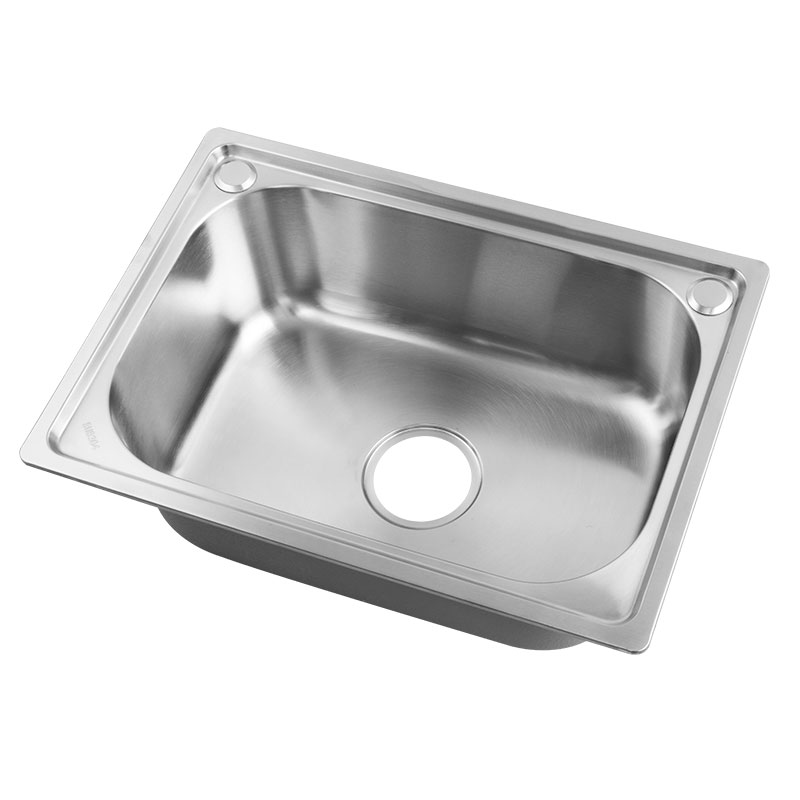
That’s also where many buyers begin to rethink material choice. Instead of only focusing on cleaning methods, they start comparing options like Stainless Steel Sinks that are easier to maintain in daily use. A compact model such as a 21 inch Stainless Steel Kitchen Sink offers a different approach. Rather than needing constant deep cleaning, it is designed to handle everyday use with less visible buildup and faster wiping.
White sinks are popular because they make the kitchen look brighter and cleaner. But the downside is that any stain becomes obvious. Coffee, sauces, oil, and even hard water can leave marks that stand out immediately. Over time, these small marks build up, and the sink starts to look worn even if it is still in good condition.
This creates a practical problem, especially for high-use kitchens. Daily cleaning becomes more frequent, and sometimes more aggressive cleaning methods are used just to keep the surface looking acceptable. For homeowners, that means more effort. For buyers managing multiple kitchens, it can turn into a long-term maintenance issue.
Most people start with simple steps. Rinse the sink, use mild detergent, and wipe it with a soft cloth. This works well for daily cleaning. For deeper stains, baking soda or similar gentle cleaners are often used to lift marks without damaging the surface.
The key point is consistency. A white sink usually needs regular attention to stay in good condition. If cleaning is skipped for a few days, stains become harder to remove. This is why many users feel that white sinks look great at first, but require more effort over time than expected.
After dealing with regular cleaning, many users begin to look for alternatives that are easier to maintain. This is especially common in rental properties, small apartments, or kitchens with heavy daily use. The goal is not just to keep the sink clean, but to reduce how much work it takes.
This is where stainless steel becomes a practical option. A brushed stainless steel surface does not show stains in the same way as white materials. Water marks and light scratches are less noticeable, and daily cleaning is usually faster. Instead of deep cleaning, a simple rinse and wipe is often enough to keep the sink looking acceptable.
A 21 inch Stainless Steel Kitchen Sink fits well into this situation. Its compact size makes it easier to manage, and the brushed surface helps reduce visible marks. It is not about replacing white sinks completely, but about offering a lower-maintenance option for users who prioritize practicality.
Cleaning performance is not only about material. It also depends on design. A sink with smooth corners, proper slope, and a consistent surface finish is much easier to clean than one with sharp edges or uneven areas.
For example, a sink with a slight bottom slope helps water drain faster, so residue does not stay on the surface. A well-finished brushed surface reduces how much dirt sticks in the first place. These details are often overlooked at the buying stage, but they make a clear difference after installation.
This is why many professional buyers focus on structure and finish, not just size or price. A sink that saves time in daily cleaning is more valuable over the long term, especially in projects with multiple units.
People often think bigger sinks are always better, but that is not always true. A larger sink gives more space, but it also means more surface area to clean. In smaller kitchens or apartments, a compact sink can actually be more practical.
A 21 inch sink is a good example. It provides enough space for daily washing, but is still easy to wipe down quickly. For users who want a simple and efficient kitchen setup, this kind of size can reduce cleaning time without sacrificing usability.
So when someone asks how to clean a white kitchen sink, the answer is not only about cleaning methods. It is also about understanding how different sink materials behave over time.
White sinks require regular care to stay looking clean. Stainless steel sinks, especially with a brushed finish, are more forgiving in daily use. They do not eliminate cleaning, but they reduce how much effort is needed.
That is why many buyers start with cleaning questions and end up making different product choices. It is not just about appearance on day one. It is about how the sink performs after months of real use.
Cleaning a white kitchen sink is manageable, but it requires consistency and the right method to keep it looking good. Over time, many users realize that maintenance effort becomes an important factor in their choice.
A compact stainless steel option like a 21 inch kitchen sink offers a more practical solution for everyday use. It is easier to wipe, less sensitive to stains, and better suited for kitchens where convenience matters.
If you are comparing sink options for projects, resale, or your own kitchen setup, it is worth looking beyond appearance and thinking about long-term use. If you need help choosing the right size or finish, feel free to reach out. We can help you find a solution that fits your space and makes daily use easier.