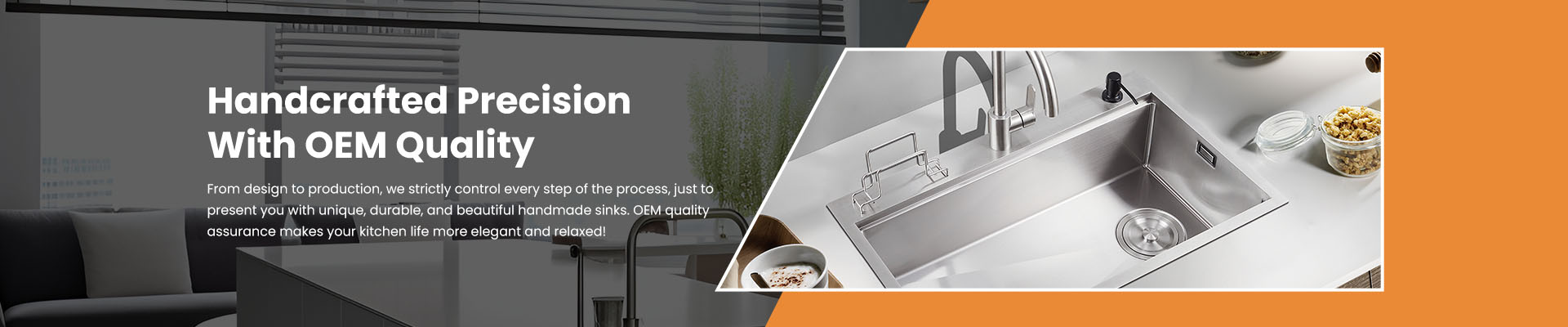
A bad smell from the kitchen sink usually starts in the places people do not see first. Food residue collects near the drain, grease sticks to the pipe wall, and standing moisture turns into an odor problem over time. That is why this topic matters in both home kitchens and commercial spaces. In real use, the question is not only how to remove smell from a kitchen sink, but also how to choose a sink that is easier to keep clean every day. This is where a handmade Stainless Steel Kitchen Sink becomes relevant. The product is made from 304 stainless steel, uses a smooth handcrafted structure, and is designed for easier daily cleaning, which directly connects to the odor issue in long-term kitchen use.
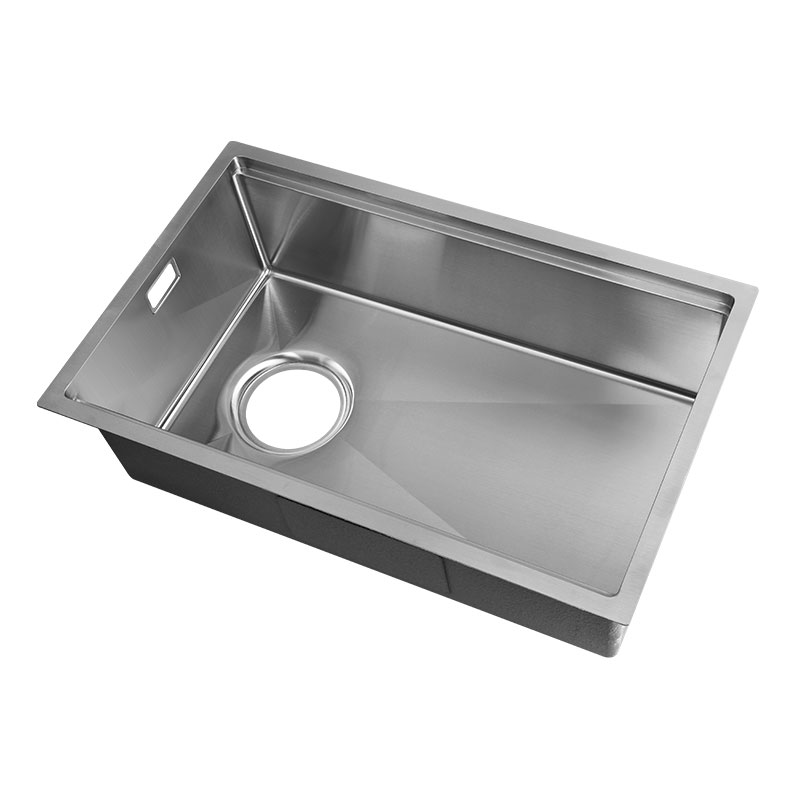
In most cases, sink odor does not come from the visible bowl surface alone. It usually comes from leftover food particles, grease, soap buildup, and moisture that stay around the drain area or inside the pipe. Once these materials stay in place for too long, they begin to create a persistent smell that normal rinsing cannot fully remove.
This is why sink design matters more than many buyers expect. A sink that is easier to wipe down, drains smoothly, and has a cleaner inner surface can reduce the chance of residue staying behind. The Handmade Sink on this page is described as having a specially polished smooth surface that resists stains and water spots, and the page states that cleaning efficiency is increased by 40 to 50 percent compared with ordinary Stainless Steel Sinks. That kind of detail matters because odor control starts with easier daily maintenance.
The first step is always basic cleaning. Remove visible debris from the sink, flush the drain with warm water, and clean the drain opening carefully. In many kitchens, the smell is not caused by one major blockage. It comes from small amounts of residue that build up slowly.
For the sink bowl itself, a mild detergent and a soft cloth are usually enough. That also matches the maintenance guidance for this handmade sink, which recommends gentle wiping for daily care and a mild cleaner for stubborn stains. Once the bowl and drain area are cleaned properly, most light odor problems become much easier to manage.
Many people think odor is only a pipe problem, but the sink surface also plays a part. If the surface is rough or harder to clean, food particles and grease are more likely to stay behind. Over time, that affects both hygiene and smell.
This is one reason a handmade stainless steel sink fits the title so naturally. The product is handcrafted with a surface smoothness of less than 0.5 μm, while the page compares this with 1.0 μm for machine-made sinks. A smoother inner surface means residue is less likely to remain after normal washing, and that reduces the daily conditions that allow odor to develop.
A sink may look clean from above and still smell bad if the drain area is difficult to maintain. This is especially true in busy kitchens where pans, sauces, oils, and food scraps move through the sink every day. If water does not clear properly or if residue stays around the lower area, odor becomes a repeated issue.
That is why many professional buyers do not judge a sink only by appearance. They also think about how the bowl shape, surface finish, and structure affect real cleaning work after installation. The handmade sink on this page is positioned as a practical cleaning solution for both home and commercial kitchens, and its single-basin design is described as giving ample washing space for large cookware. In actual use, that larger continuous washing area also makes it easier to rinse and clean the bowl thoroughly instead of leaving debris trapped in hard-to-reach corners.
When odor becomes a frequent complaint, buyers often start comparing sink materials. The reason is simple. Material affects how easy the surface is to clean, how it handles moisture, and how well it keeps its condition after repeated use. Stainless steel is widely preferred in working kitchens because it is durable, easier to sanitize, and more practical for frequent cleaning.
This sink uses 304 stainless steel, which the product page describes as a high-quality material commonly used in kitchen equipment because it resists corrosion and oxidation in daily use. The page also says that 304 stainless steel sinks can last 3 to 5 times longer than ordinary carbon steel alternatives. For buyers, that means the product is not only about appearance. It is about choosing a sink that can support long-term cleanliness and lower maintenance pressure in busy kitchen conditions.
The phrase handmade sink often sounds like a style feature, but in practice it also affects usability. A carefully handcrafted sink usually gives better control over edges, inner finishing, and overall bowl consistency. That matters because cleaning performance depends heavily on these details.
The product page highlights handcrafted workmanship, rounded edges, and a smooth surface. It also notes a corner radius of 3 to 5 mm, which helps avoid overly sharp internal transitions. In daily cleaning, that is useful because it makes the sink easier to wipe and rinse. A sink that is easier to clean thoroughly is naturally easier to keep fresh over time, which is exactly what buyers are looking for when they search how to remove smell from a kitchen sink.
End users think about smell because it is unpleasant. B2B buyers think about it because it often turns into customer complaints, service issues, and lower product satisfaction. In apartment projects, commercial kitchens, cafés, and dessert shops, a sink that is hard to maintain can quickly become a recurring problem.
This product is presented for use not only in home kitchens, but also in commercial kitchens, café bars, and dessert shops. The page describes 304 stainless steel construction, 1.2 mm thickness, OEM and ODM support, and customizable sizing around 75 × 43 cm or custom. Those details matter because project buyers are not simply choosing a sink for installation. They are choosing how much cleaning effort, maintenance work, and after-sales pressure a sink may create later.
Removing smell once is not the same as preventing it from coming back. Long-term odor control usually depends on a few simple habits: rinse food debris away quickly, wipe the sink after use, keep the drain area cleaner, and avoid letting grease or residue stay overnight too often.
This lines up closely with the maintenance guidance given for the product. The page recommends daily basic cleaning after each use, wiping the bottom and drain area, rinsing thoroughly, and drying the sink to reduce water spots or stains. It also recommends avoiding strong acidic or alkaline cleaners and checking the support and installation condition regularly. These are practical steps because sink odor is usually easier to prevent than to remove after buildup becomes heavy.
A search like how to remove smell from kitchen sink sounds like a cleaning question, but it is also a product question in disguise. Once users deal with odor problems repeatedly, they begin to think about whether their current sink is too hard to maintain. That is where a handmade Stainless Steel Kitchen Sink becomes part of the answer.
The connection is simple. A smoother handcrafted surface, 304 stainless steel material, easier daily wiping, and a practical single-bowl layout all help reduce the conditions that allow odor to build up in the first place. Instead of only treating the smell after it appears, buyers can also look at a sink designed to make everyday cleaning easier and more effective.
To remove smell from a kitchen sink, the most important step is to clean the bowl and drain area thoroughly, then keep food residue and standing moisture from building up again. In many kitchens, odor is not caused by one big problem. It comes from daily residue that is left behind too often.
That is why sink selection matters as much as cleaning method. A handmade stainless steel kitchen sink offers a practical advantage because it combines 304 stainless steel, a smoother handcrafted finish, and easier day-to-day cleaning. If you are comparing kitchen sinks for residential projects, commercial use, or OEM supply and want a model that is easier to maintain over time, feel free to contact us. We can help you review sizes, finishes, and suitable sink solutions for your market.