A kitchen sink that drains slowly or stops draining completely is one of the most common problems in daily kitchen use. At first, it may look like a simple blockage. But for many buyers, contractors, distributors, and brand owners, this question goes further than basic maintenance. It also leads to a more important issue: is the sink system designed well enough for long-term use?
That is where product selection starts to matter. A poor drainage experience is not always caused by food waste alone. In many kitchens, the problem comes from an unsuitable bowl structure, weak installation planning, rough surface finishing, or low-quality materials that make cleaning harder over time. This is why more buyers now pay attention not only to style, but also to how a sink performs in real use. A well-made Kitchen Handmade Sink can support better daily cleaning, easier maintenance, and a more reliable user experience in both residential and commercial kitchens.
When a sink does not drain well, the first assumption is usually blockage from grease, food scraps, soap buildup, or small debris. That is true in many cases, especially in busy home kitchens and food preparation areas. But drainage problems can also build up slowly because of design choices that make cleaning less efficient.
If the sink bowl is too shallow, too cramped, or difficult to rinse properly, waste tends to gather faster around the drain area. If the inner surface is not smooth enough, residue can stay on the walls more easily. If the installation angle is not properly considered, water may not move through the bowl as efficiently as expected. These problems often start small, but over time they affect daily use and increase cleaning effort.
For B-end buyers, this matters because drainage complaints often become after-sales problems. A sink that looks attractive in a catalog but performs poorly in daily use can create negative feedback, replacement requests, and pressure on distributors or project suppliers. That is why practical use should always be part of product evaluation.
A kitchen sink is used every day, often multiple times a day. In real kitchens, performance matters more than first impressions. When users ask why is my kitchen sink not draining, they are often dealing with the result of repeated use in a sink that may not have been designed for efficient cleaning flow.
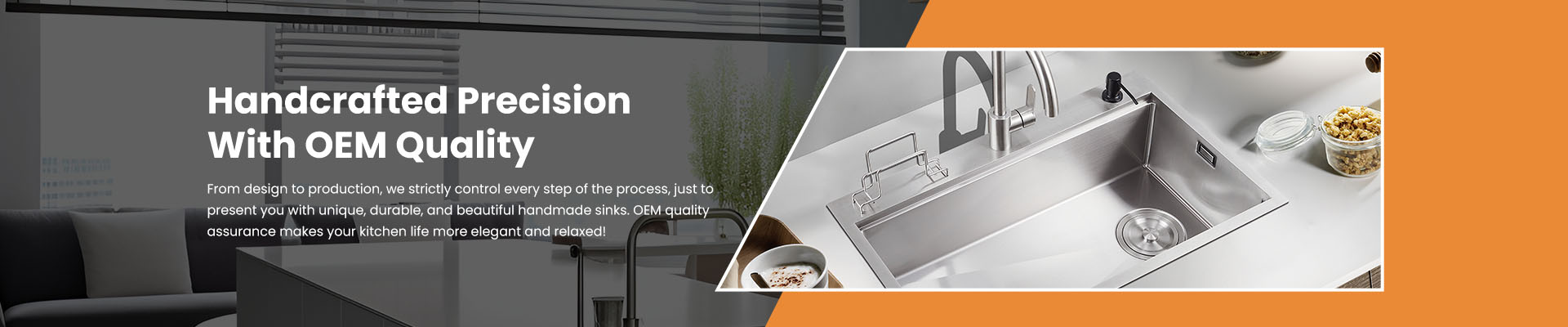
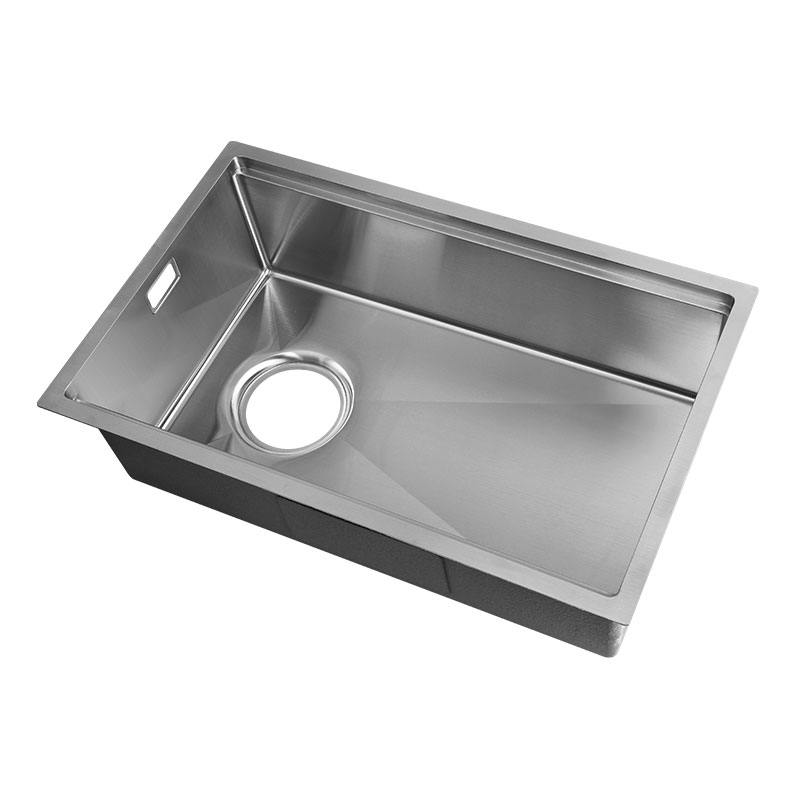
A handmade sink usually offers a stronger structural and functional advantage when the design is done well. Our product is built as a Handmade Single Bowl Sink in 304 stainless steel, which gives buyers a more durable and practical solution for modern kitchens. The single bowl structure provides wider usable space for washing larger cookware, while the handmade form helps create a cleaner and more refined interior layout. This makes it easier to rinse the bowl, manage daily cleaning, and keep the work area more efficient.
For importers and wholesalers, this point is important. A sink is not only a decorative product. It is a high-frequency kitchen item that directly affects user satisfaction. If the sink is easier to clean and less likely to trap residue, it becomes easier to sell and easier to support in the market.
Many drainage issues become worse because the sink surface does not support smooth daily cleaning. If residue sticks easily, grease and dirt build up faster. If water spots remain too often, users feel the product becomes dirty too quickly. In this situation, even a standard drain structure can start to feel inefficient.
This is one reason why finish quality matters. Our Kitchen Handmade Sink is offered in finishes such as brushed, gun grey, and black titanium, which gives buyers more market options while also supporting a cleaner and more modern kitchen appearance. More importantly, a well-finished sink surface is easier to wipe down after use. That helps reduce buildup around the bottom and drain area and makes daily maintenance more practical.
For project buyers and private label customers, this creates added value. The right finish supports both appearance and usability. In competitive markets, that combination matters more than low unit cost alone.
Not every drainage problem begins at the pipe. Sometimes the issue starts with a sink that does not hold up well under repeated kitchen use. If the material is weak, the bowl may show wear faster, become harder to clean, or lose its original appearance more quickly. Once that happens, users often clean less effectively, and drainage-related buildup becomes more common.
That is why 304 stainless steel remains one of the most practical choices for kitchen sink manufacturing. It supports durability, corrosion resistance, and a cleaner daily-use environment. Our product uses 304 stainless steel and a handmade structure to give buyers a sink that is better suited for long-term kitchen use across both home and commercial spaces.
For distributors, contractors, and sourcing teams, this reduces risk. A more stable material usually means fewer complaints related to wear, hygiene concerns, and maintenance difficulty. In other words, better material selection can lower the chance of drainage-related dissatisfaction over time.
The market has changed. Buyers are no longer looking only for a basic wash area. They want a sink that fits modern kitchens visually while also handling daily cleaning tasks more efficiently. That is why handmade sinks have become more attractive in many channels, especially for customers who want a stronger combination of appearance, practicality, and premium value.
A Kitchen Handmade Sink supports this shift because it offers a cleaner look and a more intentional structure. In many homes, a single bowl handmade sink creates more freedom for washing trays, pans, and larger utensils without feeling cramped. In cafés, bars, dessert shops, and food preparation areas, that same spacious layout helps improve workflow and reduces inconvenience during cleaning.
This broader application value is important for B-end buyers. A sink that works well across several usage scenarios gives more flexibility in product positioning. It can fit retail sales, project supply, developer programs, and OEM ranges more easily than a product with a narrower application story.
For many overseas buyers, the sink itself is only part of the decision. The other part is whether the supplier can support the market strategy behind the product. Some customers need customized sizes. Some need finish variations for different channels. Some want private label support. Some want a sink range that fits their own brand identity.
That is where OEM and ODM support becomes meaningful. Our product supports custom size development and OEM / ODM service, which gives distributors, importers, and brand owners more flexibility when building a kitchen product line. This is especially useful in markets where buyers want to avoid identical standard products and create clearer differentiation.
From a commercial point of view, customization is not only about logo placement. It is about giving the buyer a stronger product story, better market matching, and more control over pricing strategy. That is why working with a real supplier is often more valuable than simply choosing a low-cost standard item from a crowded market.
Many B-end buyers face similar problems when sourcing sinks. The first is quality inconsistency. One sample may look fine, but bulk orders may not maintain the same finish, welding detail, or structural stability. The second is weak communication. If the supplier does not clearly understand the target market, the result is often a product that looks acceptable but does not perform well in real use.
The third issue is after-sales pressure. When end users complain that the sink is hard to clean, stains too easily, or drains poorly in daily use, the buyer has to handle the consequences. This is why serious sourcing should always look beyond photos and price. The right supplier should understand not only production, but also how the sink will actually be used.
A well-positioned Kitchen Handmade Sink helps reduce these problems because it gives buyers a product that is easier to explain, easier to match with modern kitchen demand, and easier to support over the long term. In wholesale and project supply, that reliability often matters more than temporary price advantage.
The phrase why is my kitchen sink not draining may sound like a homeowner problem, but it actually reflects something much broader. It highlights what users expect from a sink every day: efficient water flow, easy cleaning, reliable structure, and less maintenance trouble.
That is why this topic also matters to commercial buyers. A kitchen sink is not just a fixture. It is part of workflow, hygiene, and customer satisfaction. In home kitchens, people want convenience and a cleaner space. In cafés and food preparation environments, they want efficiency and easier maintenance. In both cases, the sink needs to support daily work without creating more problems than it solves.
A handmade sink with practical design and reliable material can respond to that expectation more effectively. That is what makes this kind of product relevant not only to retail customers, but also to distributors, project buyers, and private label brands building a more competitive sink range.
When a kitchen sink does not drain properly, the cause may be more than a temporary blockage. In many cases, the deeper issue is how well the sink supports daily cleaning, residue control, and long-term use. That is why product design, surface finish, structure, and material all matter.
A well-made Kitchen Handmade Sink gives buyers a more dependable option for modern kitchens, especially when they want a balance of appearance, practicality, and supply flexibility. With 304 stainless steel, handmade construction, customizable sizing, and OEM / ODM support, our product is built for customers who need more than just a basic sink.
If you are reviewing sink options for wholesale, project supply, or private label development, feel free to contact us. We can help you evaluate specifications, finish options, and customization needs so you can choose a sink solution that fits your market more clearly and supports long-term sales with greater confidence.