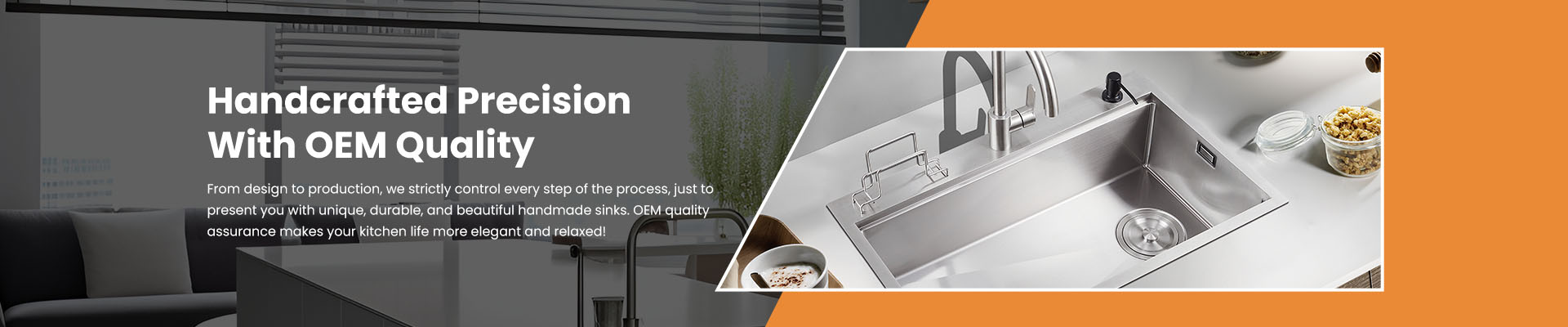
A Stainless Steel Sink can stay bright for years, but the result depends on how it is cleaned every day. Many sinks do not lose their finish because of age. They lose it because the cleaning method is too rough, too frequent, or simply not suitable for the surface. For buyers who source kitchen sinks in volume, this matters more than it seems. A sink that is easy to clean is also easier to sell, easier to maintain after installation, and less likely to create avoidable complaints.
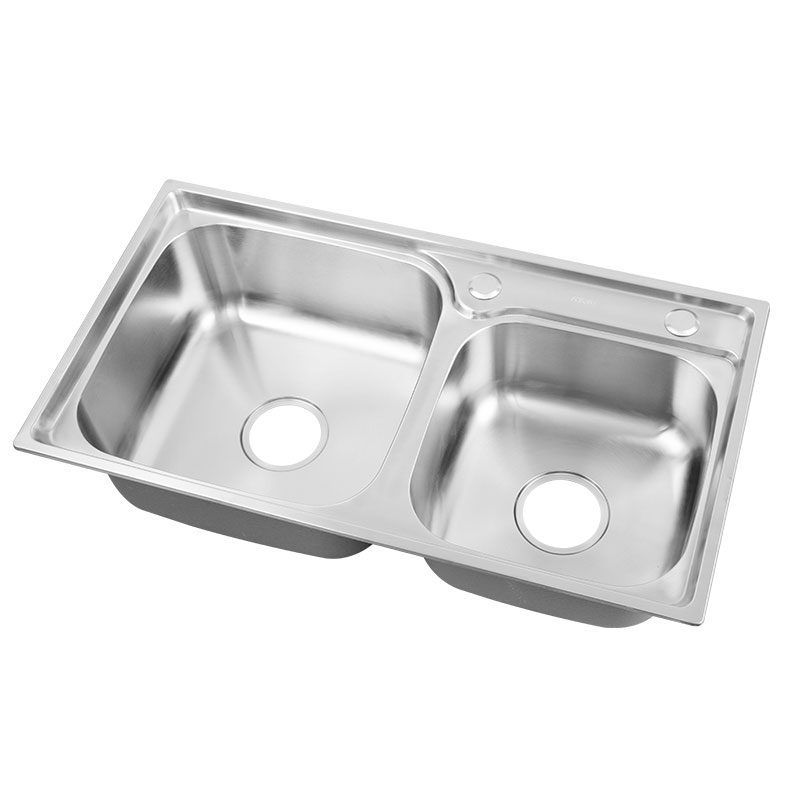
This is where our double bowl Handmade Sink connects naturally to the topic. In real kitchens, users want a sink that handles heavy washing tasks and still looks clean after repeated use. Importers, wholesalers, project buyers, and private label customers usually look beyond size and finish. They also care about daily maintenance, long-term appearance, and how the product performs after delivery. That is why sink cleaning is not just a user question. It is also a product selection question.
Most stainless steel sinks do not get damaged by water alone. The real problem usually comes from residue, hard water marks, greasy buildup, and rough cleaning tools. When food particles sit too long, the surface starts to look dull. When strong abrasive pads are used again and again, fine scratches become more visible. Once the finish starts looking messy, users often think the sink quality is poor, even when the material itself is still sound.
For B-end buyers, this is a familiar issue. A sink may look attractive in photos, but if it becomes hard to clean after installation, the customer experience drops quickly. That is one reason many buyers now ask not only about material grade and thickness, but also about finish consistency, stain resistance, and whether the supplier can support OEM or ODM requests with practical product details.
The safest routine is usually the simplest one. Rinse the sink first to remove loose residue. After that, use warm water, a mild dishwashing liquid, and a soft sponge or microfiber cloth. Wipe gently along the grain of the stainless steel surface instead of rubbing in random directions. Then rinse the sink fully and dry it with a clean cloth.
This method works well because it removes grease and daily marks without wearing down the finish. In most kitchens, daily dirt is not difficult to remove. The damage often comes from over-cleaning with the wrong tools. A smoother routine protects the appearance better and keeps the sink looking more consistent over time.
For distributors and commercial buyers, this point matters in after-sales communication. When a product is easy to maintain with simple instructions, it is easier to support retail partners, project clients, and end users. That reduces friction after shipment and makes bulk supply more stable.
A lot of surface damage comes from tools that seem powerful but are actually too aggressive. Steel wool, wire brushes, and rough abrasive pads can leave visible scratches and may even leave tiny metal particles behind. Some cleaners with strong chlorine content can also affect the finish if they stay on the surface too long. Even ordinary dirt can create damage if grit is trapped under a sponge and dragged across the bowl.
Another common mistake is leaving water, soap, or food residue in the sink for long periods. This does not always damage the steel itself, but it can leave the sink looking cloudy, stained, or poorly maintained. In hard water areas, this issue appears even faster.
That is why many serious buyers do not only compare prices. They also compare how a sink behaves in real use. A supplier who understands cleaning, finish care, and long-term maintenance is usually easier to work with on repeat orders than a supplier who only focuses on shipment.
A double bowl handmade sink is not only about style. It also helps users manage kitchen work more efficiently. One bowl can be used for washing dishes or cookware, while the other can be used for food prep, rinsing, or temporary drainage. This separation reduces clutter and makes it easier to keep the sink area cleaner during daily use.
That practical benefit is important for both home kitchens and commercial settings. When cleaning and prep functions are separated, residue does not build up as quickly in one single area. The sink becomes easier to rinse down after use, and users are less likely to treat the entire bowl as one overloaded washing zone.
Our products fit this need well because the double bowl handmade sink offers a practical structure for modern kitchens while also giving buyers room for customization. For OEM and ODM programs, details such as finish, size, bowl proportion, and packaging can be aligned more closely with market demand. That helps importers and brand owners build a more complete sink line instead of sourcing a basic standard item with limited flexibility.
Cleaning performance is closely tied to material and workmanship. A poorly finished sink tends to show wear faster, trap residue more easily, and create a lower-end appearance after a shorter period of use. A well-made stainless steel sink is different. It gives users a cleaner wiping path, a more consistent surface feel, and a more stable appearance under regular kitchen conditions.
This is one reason 304 stainless steel remains widely preferred in kitchen sink manufacturing. It supports daily contact with water, detergent, and food residue more reliably, and it suits long-term kitchen use better than lower-grade alternatives. For buyers who need repeat supply, stable material selection also helps reduce variation between batches.
When project buyers or wholesale customers compare suppliers, they often think about visible quality first. But invisible details matter too. Consistent material, cleaner finishing, dependable dimensions, and stable production all affect how easy the sink will be to install, clean, and maintain later.
For many buyers, the real pressure starts after the container arrives. Surface scratches, cleaning complaints, packaging damage, and inconsistent finish can all become costly once products are already in the market. That is why sink sourcing is not only about getting a good quotation. It is about reducing future trouble.
A common pain point is that users may clean the sink incorrectly and then blame the product. Another is that sellers may not have clear cleaning guidance ready for their own customers. This is where supplier support becomes valuable. If the manufacturer can provide stable product quality, custom options, and practical maintenance guidance, the buyer has a stronger position in the market.
For OEM and ODM customers, this support is even more important. A custom sink program is not just about putting a logo on the carton. It usually involves finish selection, specification matching, market positioning, and product instructions that help the item perform well after sale. A supplier who can support this process creates more long-term value than one who only fills the order.
Good results come from simple habits. Rinse away food acids, grease, and coffee or tea residue before they dry on the surface. Clean with a soft cloth instead of hard scrubbers. Dry the sink after use if the local water leaves marks easily. For deeper cleaning, use a mild cleaner and work patiently rather than using force.
These habits sound basic, but they are exactly what protect the sink finish over time. In actual use, buyers want products that stay presentable without requiring complicated maintenance. That is one reason practical sink design still matters so much in the market. Easy daily care supports better long-term appearance, and better long-term appearance supports stronger product value.
A sink supplier should do more than deliver metal bowls in cartons. Buyers also need consistency, responsive communication, and product knowledge that helps them reduce market risk. When the sink is easier to clean, easier to explain, and easier to maintain, it becomes easier to sell in wholesale, retail, and project channels.
Our double bowl handmade sink is a good example of this connection between product structure and daily use. It supports practical kitchen work, matches demand for modern stainless steel sinks, and can be integrated into OEM or ODM supply plans for customers who need their own specifications or branding direction. For buyers building a long-term product line, that flexibility is often more valuable than a short-term low price.
Cleaning a stain steel sink is not difficult when the right method is used. Warm water, mild detergent, a soft cloth, and regular drying will do far more for the finish than heavy scrubbing ever will. The real key is to combine proper cleaning habits with a sink that is made for long-term use.
A well-made double bowl handmade sink gives users a cleaner workflow, easier daily care, and a more reliable appearance over time. For importers, wholesalers, contractors, and private label buyers, this also means fewer avoidable complaints and a more dependable supply program. If you are reviewing sink options for OEM, ODM, or bulk orders, feel free to contact us. We can help you check suitable sizes, finishes, and application needs, and we can also offer practical guidance so your customers get a better experience after installation.