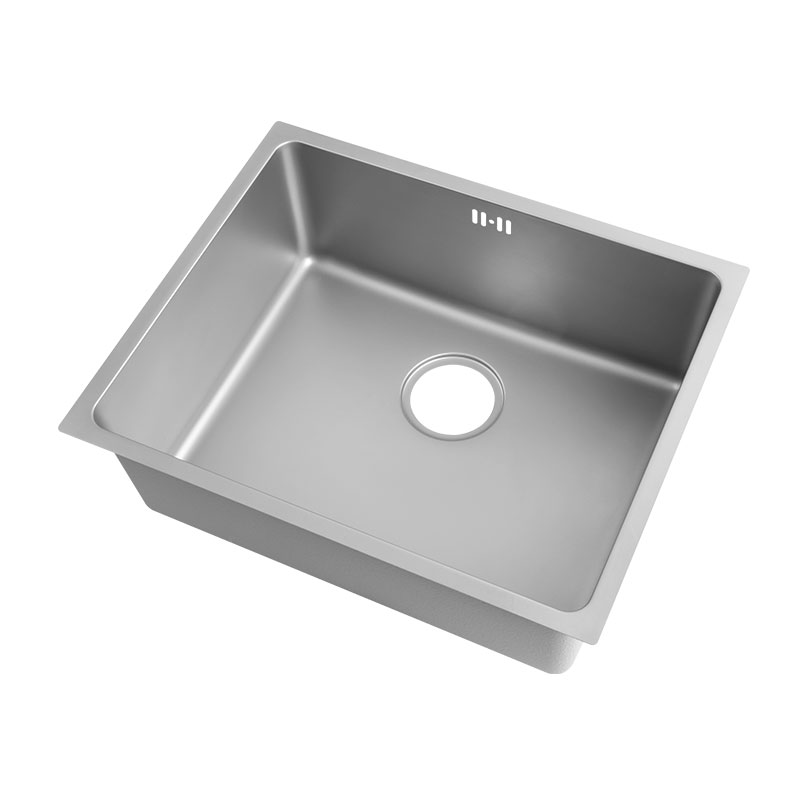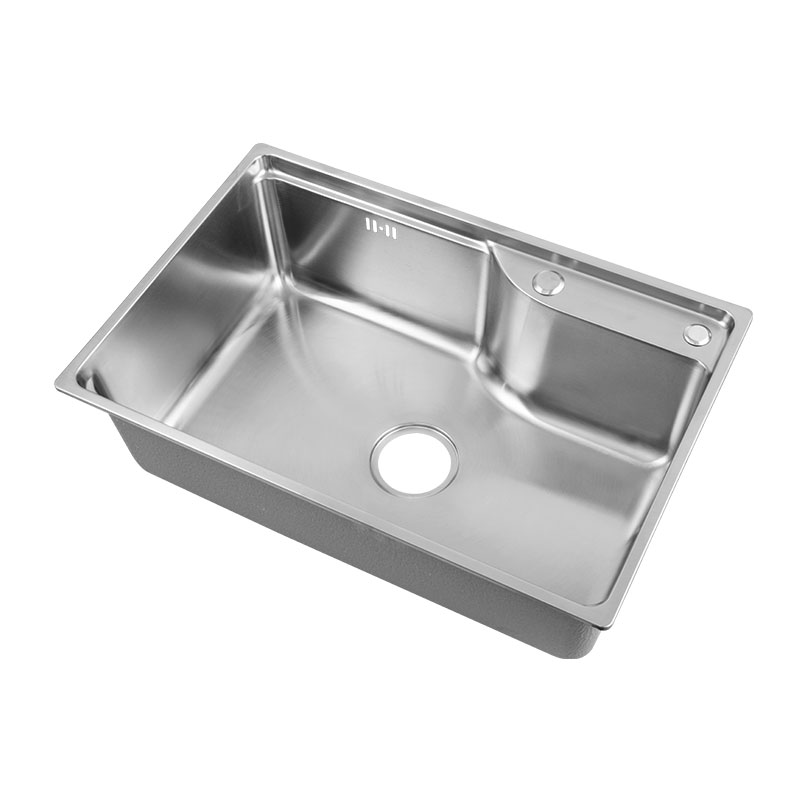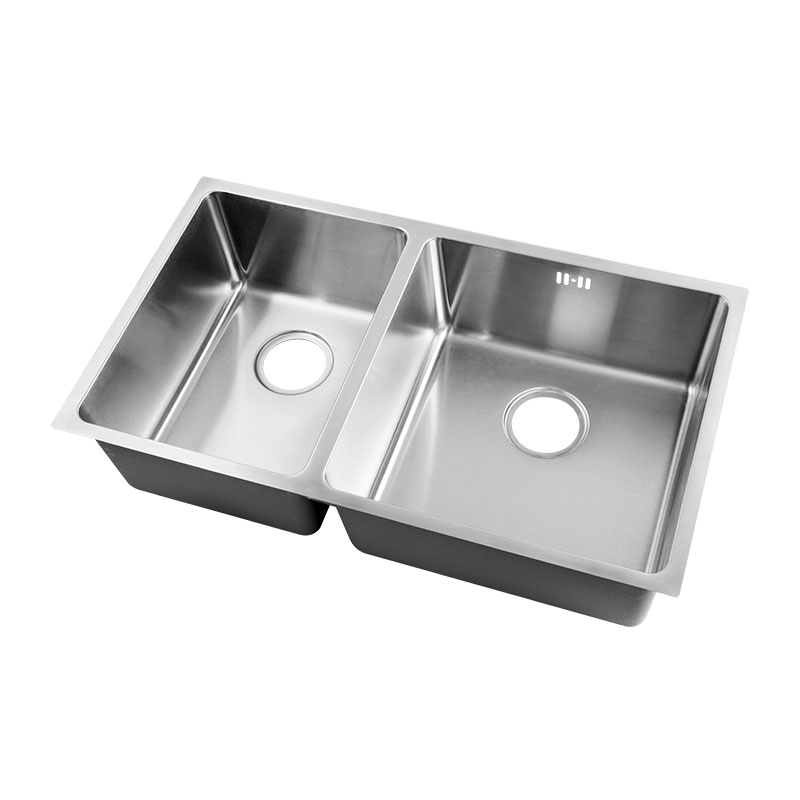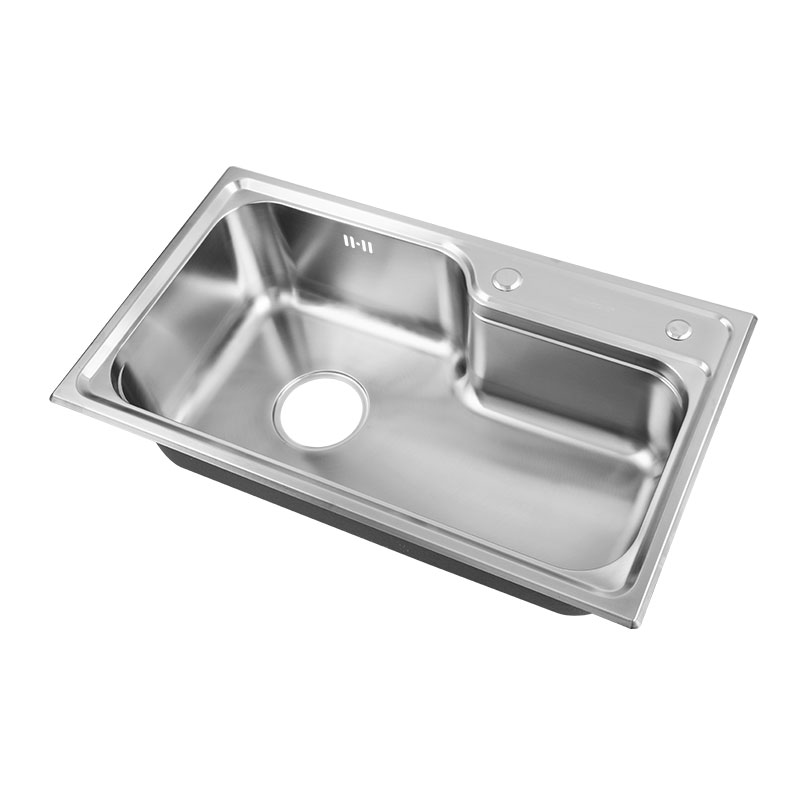
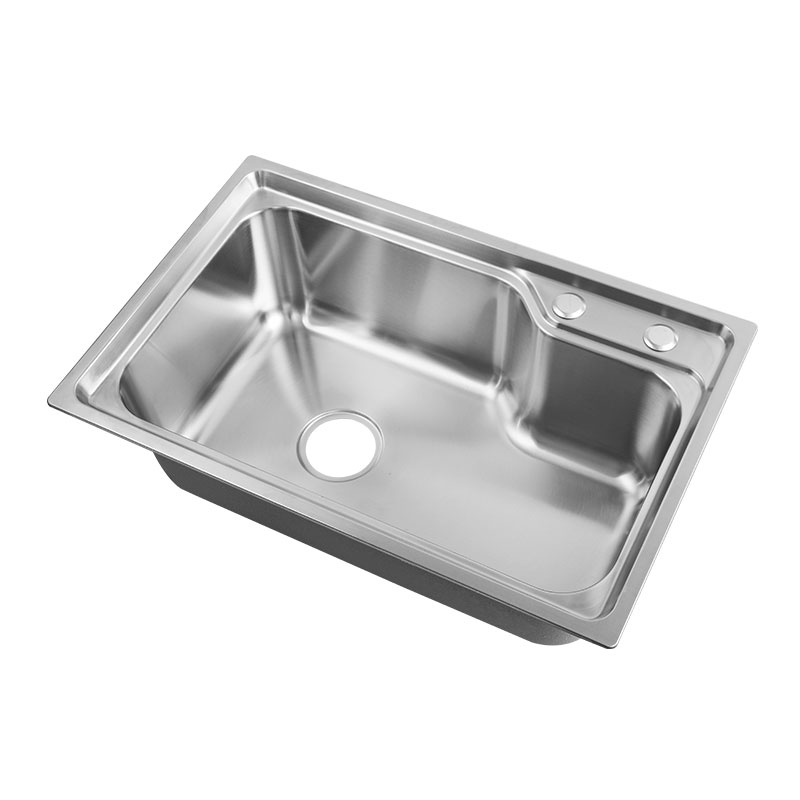
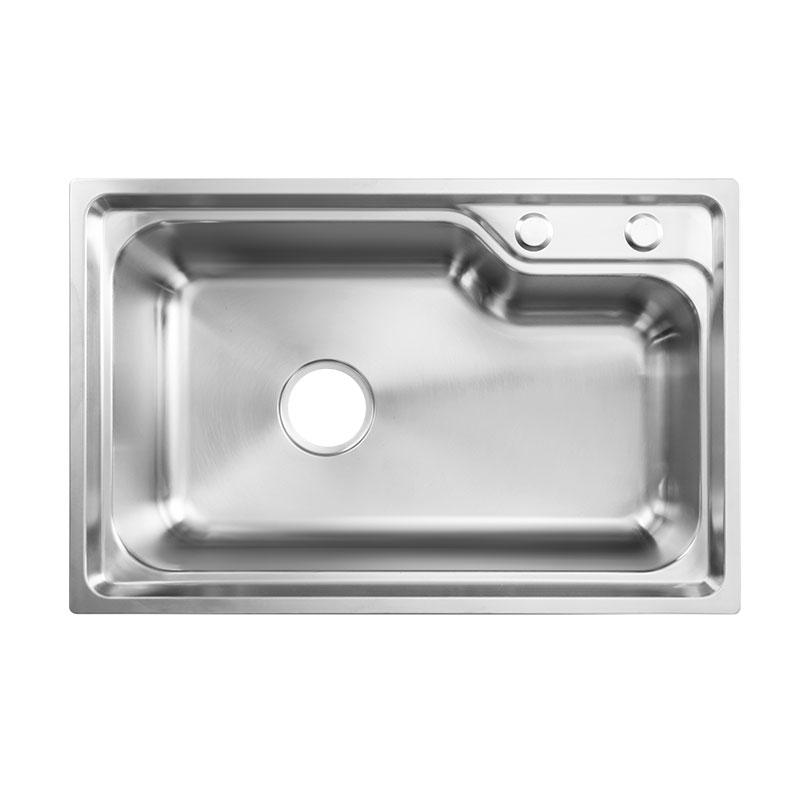
A single-bowl drop-in kitchen sink is a stainless steel kitchen sink with a top-mount installation structure, commonly used in standardized residential and commercial kitchen projects. This type of sink features a single-bowl design, balancing concentrated washing space with installation compatibility, making it particularly suitable for projects where construction efficiency and cost control are important. The main body of the product is typically made of 304 stainless steel, with the sink structure formed through a drawing process, ensuring structural strength while also optimizing drainage slope and ease of cleaning.
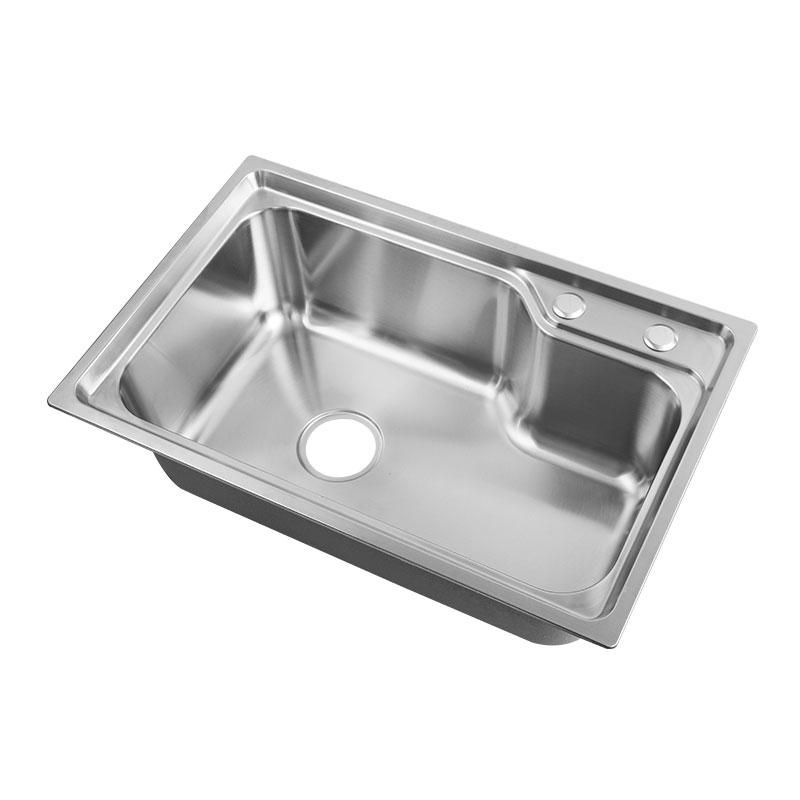
| Color: | Silver Or Custom |
| Material: | 304 Stainless Steel |
| Size: | Customizable |
| Process Treatment: | Fine Handcrafted Wire Drawing |
| Features: | We Offer Standard Sinks And Develop And Customize Molds For Various Styles, Readily Meeting The Needs Of Every Customer. |
| Services: | ODM/OEM |
1. Stable Structure
Single Bowl Drop-In Kitchen Sinks typically use 0.8–1.2mm thick 304 stainless steel sheets, with the sink body formed by integral stretching without any splicing welds. When full of water, the single bowl can withstand a static load of ≥40kg without significant deformation. The top flange structure evenly distributes the force on the countertop, reducing the risk of deformation due to localized stress during long-term use, making it suitable for high-frequency use environments.
2. Smooth Drainage
The sink bottom is usually designed with an X-shaped or directional micro-slope structure, with a slope range controlled between 2–4°, allowing water to naturally collect at the drain under standard flow conditions. Combined with the mainstream drain hole diameter of 90–114mm, it effectively reduces water retention time, improves overall drainage efficiency under continuous rinsing conditions, and reduces the probability of water stains and debris accumulation.
3. Reliable Material
304 stainless steel typically contains at least 18% chromium and approximately 8% nickel, providing stable corrosion resistance in common kitchen acid and alkaline environments. After 48–72 hours of salt spray testing, there is no significant corrosion on the surface, making it suitable for long-term contact with detergents, grease, and high-temperature water, meeting the basic durability requirements for household and commercial kitchens.
4. Installation Compatibility
The drop-in structure supports standard countertop opening methods, with a common opening tolerance of ±3mm, making it highly compatible with quartz, artificial stone, and stainless steel countertops. The top flange width is usually 20–30mm, effectively covering the cut edges, reducing the need for secondary trimming, and improving overall installation efficiency.
5. Controllable Manufacturing Process
The brushed surface is typically treated with 120–180 grit abrasive belts, maintaining a metallic texture while reducing the visibility of fingerprints and minor scratches. The surface roughness Ra value is generally controlled within the 0.8–1.2μm range, which facilitates daily rinsing and cleaning, and also ensures high consistency in mass production, suitable for large-scale order fulfillment.
1. Residential Kitchens
In typical home kitchens, a single-bowl drop-in kitchen sink provides a concentrated and continuous washing space, suitable for handling pots, pans, dishes, and food preparation. The single-bowl structure reduces corners and increases usable volume, making it highly suitable for kitchens with limited space but requiring practicality, especially for standard layouts or renovation projects.
2. Engineering Projects
In apartment, hotel, or mass housing projects, this type of sink is often used as a standard engineering solution due to its standardized installation method and high tolerance for errors. Its uniform size and mature mold system help shorten delivery cycles, reduce construction complexity, and facilitate bulk selection and cost control for project procurement.
3. Commercial Food Preparation Areas
In light commercial food preparation areas or auxiliary kitchen areas, the single-bowl structure facilitates concentrated cleaning operations and reduces the need for switching between different work areas. Combined with a standard drainage system, it can meet high-frequency, short-duration cleaning needs while maintaining stable performance without introducing complex structures.
4. Rental Properties
For rental properties or short-term use properties, drop-in sinks are easy to replace and maintain. When damage or upgrade needs arise, replacement can be completed without extensive countertop modifications, reducing maintenance costs and minimizing downtime.
A: This type of sink is designed for high-frequency use. The stainless steel structure with a thickness of 0.8mm or more maintains stability under full load conditions. As long as it is installed according to standard procedures and with compliant drainage components, the risk of structural deformation and functional degradation during long-term use is low, making it suitable for long-term use in both home and commercial kitchens.
A: The drop-in structure provides double protection through the flange and sealant. As long as the countertop is flat and the sealant is applied evenly during installation, it can effectively prevent water from seeping into the countertop. Compared to undermount sinks, it relies less on installation precision and is actually easier to ensure a good seal in most construction environments.
A: The single-bowl design emphasizes space concentration, making it more suitable for washing large pots and pans and performing tasks that require a large basin. For users whose daily cleaning habits primarily involve overall rinsing, a single-bowl sink reduces the limitations of separate compartments and offers greater flexibility in actual use. The choice between a single or double bowl depends on specific usage habits.
A: The brushed finish itself disperses the visibility of minor scratches, making it more durable for daily use compared to a mirror finish. Minor scratches from normal kitchen operations will not affect the structure or function, and the overall appearance can be maintained through daily cleaning without additional maintenance.
A: This type of sink usually supports OEM/ODM customization, including size adjustments, thickness options, and surface finish variations. For engineering procurement or brand projects, optimization can be performed based on existing molds to balance cost, delivery time, and market demand.