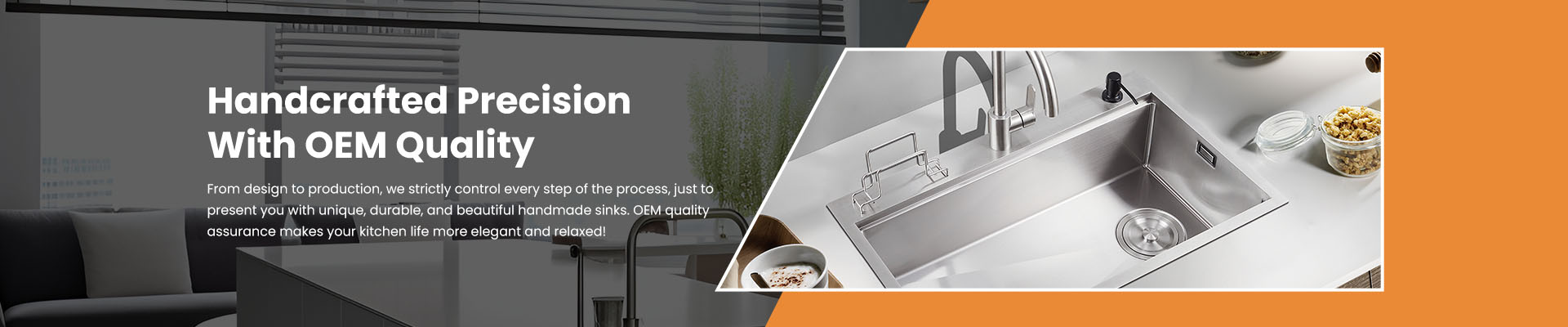
A Stainless Steel Sink can look premium for years, but only when it is cleaned the right way. Many people do not damage the sink during installation or daily washing. They damage it during cleaning. Hard scrubbers, harsh chemicals, and the wrong wiping direction often leave fine marks that slowly make the surface look dull. This matters even more when you are sourcing a handmade stainless steel sink for retail, distribution, project supply, or OEM programs, because buyers care about long-term appearance as much as material quality.
Our handmade stainless steel sink fits naturally into this topic because good cleaning results start with the right product structure. A well-made sink with 304 stainless steel, a stable brushed finish, and clean hand-finished edges is easier to maintain in everyday kitchens. For importers, wholesalers, and project buyers, that also means fewer complaints after delivery and fewer after-sales questions about surface wear.
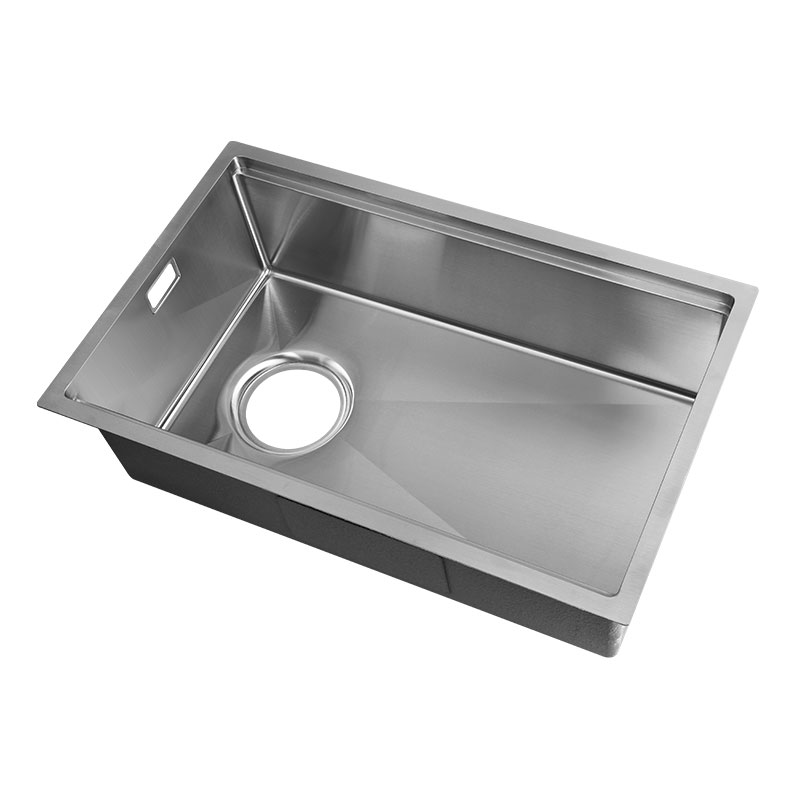
Most scratches do not come from normal water flow or dishwashing. They usually come from repeated friction caused by steel wool, rough scouring pads, abrasive powders, or even trapped grit under a sponge. Another common problem is wiping across the grain instead of with the grain. On a brushed sink, the texture already has a direction. When cleaning goes against that finish, light marks become more visible.
There is also a sourcing issue behind this. Many buyers focus heavily on price, bowl size, and finish color, but they do not always think about how the sink will age in real kitchens. A handmade stainless steel sink with a well-controlled surface treatment is easier to maintain than a poorly finished basin. That is one reason many professional buyers now ask not only about thickness and finish, but also about cleaning recommendations, after-sales guidance, and OEM or ODM support for different markets.
The safest method is simple. Start by rinsing away loose food residue so you do not drag particles across the surface. Then use a soft sponge or microfiber cloth with warm water and a small amount of mild dish soap. Wipe the sink gently in the direction of the brushed grain, not in circles and not across the finish. After that, rinse thoroughly and dry the surface with a clean soft cloth.
This process sounds basic, but it solves most daily cleaning needs without putting the finish at risk. In real use, the biggest enemy of appearance is not heavy dirt. It is repeated aggressive cleaning. For buyers who manage repeated sales, hotel units, apartment kitchens, or private label programs, a sink that stays presentable with a low-risk cleaning routine brings more value over time.
A few mistakes cause most of the visible damage on stainless steel sinks. The first is using metal brushes or steel wool. These tools cut into the surface and can leave behind metal particles that later create rust-colored stains. The second is using bleach-heavy or highly corrosive cleaners and letting them sit too long on the sink. The third is leaving wet cleaning residue, which can lead to water spots and a tired-looking finish.
It is also better not to stack rough cookware carelessly inside the bowl during cleaning. Even a strong sink can show wear faster when heavy pans are dragged repeatedly across the same area. This is why many B-end buyers ask suppliers about finish durability, protective pads, bottom grids, and the right maintenance instructions to include with shipments. Good supply is not only about producing the sink. It is also about helping the end user keep it in good condition.
A handmade stainless steel sink is often chosen for its cleaner lines, more refined corners, and stronger visual appeal. But from a maintenance view, it also offers practical value. A good Handmade Sink usually has a more deliberate surface finish, a more defined bowl structure, and better control over detail areas that are often hard to wipe. When workmanship is stable, there are fewer rough spots where residue can build up.
Our products are linked to this cleaning topic for exactly that reason. A sink that looks sharp on the day it arrives should still look good after months of use. That is why many professional buyers prefer a handmade stainless steel sink with 304 stainless steel, customizable dimensions, and finish options that match different market needs. For OEM and ODM customers, it is also easier to align product appearance, packaging, and care guidance into one consistent supply solution.
Deep cleaning is not something people want to do every day. The better approach is light but consistent care. After heavy kitchen use, rinse away food acids, oil, and seasoning residue. Drying the bowl after use helps reduce water spots and mineral marks, especially in markets where hard water is common. When this becomes a normal habit, the sink stays brighter and cleaning becomes much easier.
This is important for distributors and project buyers because appearance complaints often come from user habits, not actual product failure. A supplier that understands this can support customers better with care advice, private label manuals, and clearer maintenance communication. That is part of what makes a supplier relationship more reliable than a one-time transaction.
For commercial sourcing, the question is not only how to clean stainless steel sink without scratching. The better question is how to choose a sink that remains easier to clean after repeated use. Buyers should pay attention to material grade, surface finish consistency, customization flexibility, packaging stability, and whether the supplier can support ongoing OEM or ODM requirements.
A sink can look similar in photos but perform very differently once it reaches the market. If the finish is unstable, minor marks show faster. If the structure is weak, the user may handle it more roughly during use and cleaning. If the supplier cannot maintain consistency across bulk orders, after-sales pressure increases. That is why many importers prefer working with a supplier that can combine product manufacturing with project communication, customization support, and practical maintenance guidance.
In supply programs, the sink is not just a kitchen accessory. It becomes part of a larger promise involving finish consistency, repeat order stability, and buyer confidence. When customers ask how to clean a sink without scratching, they are often really asking whether the product will keep its value after installation. That is a product question as much as a cleaning question.
This is where a reliable supplier adds real value. Our handmade stainless steel sink range supports custom sizing, finish selection, and OEM or ODM cooperation, which helps buyers build a product line that matches local demand more closely. That is useful for wholesalers expanding a sink collection, importers testing new models, and project buyers who need a more coordinated sourcing process.
Cleaning a stainless steel sink without scratching is not complicated. Use a soft cloth, mild cleaner, warm water, and always wipe with the grain. Avoid harsh scrubbers, aggressive chemicals, and careless friction from rough debris or cookware. More importantly, start with a sink that is easier to maintain in the first place.
A well-made handmade stainless steel sink gives buyers a better balance of appearance, durability, and after-sales confidence. If you are comparing sink options for wholesale, private label, OEM, or ODM programs, feel free to contact us. We can help you review sizes, finishes, and practical care recommendations, so you can choose a sink solution that works better for your market and stays easier to maintain after delivery.
Previous: How To Clean Stain Steel Sink?