A Handmade Sink can look premium in samples, but material authenticity is often the first concern in bulk purchasing. For kitchen sink importers, cabinet project suppliers, renovation contractors, and private label buyers, the risk is clear: a sink may be quoted as 304 stainless steel, yet the final shipment may not match the promised material standard.
This is why Handmade Kitchen Sink 304 orders should not be approved only by appearance, weight, or surface finish. Buyers need a clearer verification process before production, during inspection, and before repeat orders.
When two suppliers offer very different prices for a similar handmade sink, the difference may not come only from factory efficiency. It may come from stainless steel grade, sheet thickness, welding work, surface treatment, or packaging standard.
For B2B buyers, the lowest quotation can become expensive later if the sink rusts too early, fails customer inspection, or creates after-sales claims from retailers and project clients.
Before requesting samples, buyers should ask the supplier to confirm:
Stainless steel grade
Sheet thickness
Surface finish
Welding method
Sink size tolerance
Color treatment
Packaging method
Available test documents
This helps prevent a common problem: the sample looks acceptable, but the buyer never confirms the real material standard behind it.
A serious 304 Stainless Steel Sink order should be supported by material documentation. Buyers can request stainless steel material reports or related inspection records before bulk production.
A report alone is not enough, but it gives the buyer a starting point. It also makes the supplier more accountable when the order moves from sample to mass production.
Rust problems often start around welded corners, edges, drain areas, or surface scratches. A sink body may use better stainless steel, but poor welding or surface treatment can still create corrosion complaints.
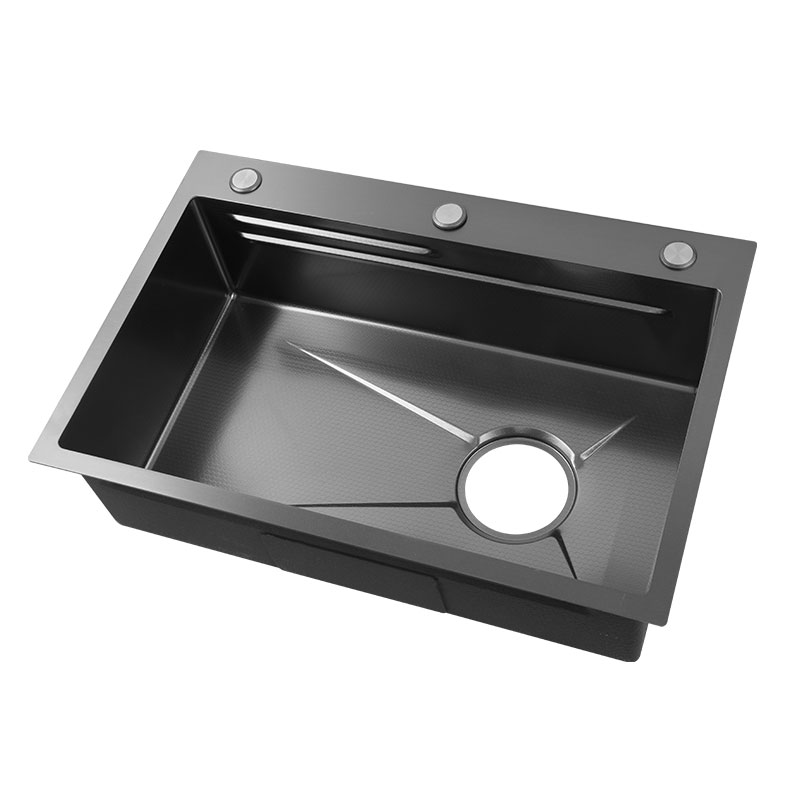
For a Handmade Single Bowl Sink, buyers should check the bowl corners, welded seams, rim area, drain position, and brushed surface. These areas show whether the product is built for long-term use or only made to look good at first inspection.
For Handmade Kitchen Sink 304 orders, the approved sample should be kept as the reference for later production. Buyers should compare bulk goods with the sample in material feel, finish, color, edge treatment, welding quality, and overall structure.
This is especially important for repeat orders. Without a reference sample, later batches are harder to control.
304 stainless steel is valued because it offers better corrosion resistance and durability for kitchen environments. But a good material can still perform poorly if the sink is badly welded, over-polished, poorly cleaned, or damaged during transportation.
That means buyers should not separate material from workmanship. The sink must be checked as a finished product.
Handmade sinks rely more on cutting, folding, welding, polishing, and finishing. If welding is uneven or corner treatment is rough, the sink may look less refined and may also create cleaning or corrosion risks later.
For project buyers and distributors, these small details affect customer acceptance. A premium kitchen sink cannot depend only on a “304” label.
OUWAYS handmade sink options can support Brushed, Gun Grey, and Black Titanium finishes. For bulk orders, the surface direction should be checked across multiple cartons, not only one piece.
Buyers should look for obvious scratches, color variation, uneven brushing, dark marks, and visible repair traces.
The product supports 68×46cm or customized sizes. For cabinet suppliers and project buyers, size accuracy affects countertop cutting, cabinet matching, and installation speed.
Before shipment, buyers should confirm length, width, bowl depth, rim flatness, and drain position. A material-qualified sink can still create project trouble if the size is unstable.
A handmade stainless steel sink can be damaged before the buyer ever installs it. Corners, rims, colored surfaces, and brushed panels need protection during export shipping.
Packaging should prevent surface rubbing, edge dents, carton collapse, and accessory damage. For private label or distributor orders, packaging also affects customer trust when goods arrive at the warehouse.
Phrases like “high quality stainless steel” are not enough. Buyers should request clear grade information, thickness details, and finish standards.
For handmade kitchen sink 304, the keyword itself should point to a real purchasing standard, not only a marketing description.
Before placing large orders, buyers can test cleaning performance, surface resistance, water drainage, welding areas, and edge safety. For retail or project channels, the sink should be tested with the kind of use it will face after installation.
Importers and distributors should keep records of each order: material report, approved sample, production batch, finish type, packaging method, inspection photos, and customer feedback.
This helps identify whether quality is stable across repeat orders and makes supplier communication easier when problems appear.
For kitchen sink distributors, cabinet project suppliers, renovation buyers, and private label brands, verifying real 304 stainless steel is not a small technical step. It protects product positioning, customer trust, and repeat purchasing confidence.
A handmade sink should be judged by material, welding, surface finish, size control, packaging, and long-term performance together. When these details are confirmed before bulk production, buyers can reduce rust complaints, inspection disputes, and low-price quality risks.
For your next handmade stainless steel sink order, prepare the required material grade, target size, finish option, packaging requirement, inspection standard, and quantity plan before confirming production. Our team can help review the sink specification and supply details for kitchen renovation, retail distribution, cabinet matching, and project orders.
To learn more about our stainless steel sink manufacturing, finish options, and export supply support, please visit our official website: https://www.ouways.com/